Skip to content
Microbe Notes

Microbe Notes

  • Home
  • Biological Sciences
    • Biochemistry
    • Bioinformatics
    • Biology
    • Biotechnology
    • Botany
    • Cell Biology
    • Genetics
    • Molecular Biology
    • Zoology
  • Microbiology
    • Agricultural Microbiology
    • Bacteriology
    • Basic Microbiology
    • Environmental Microbiology
    • Food Microbiology
    • Immunology
    • Mycology
    • Parasitology
    • Virology
  • Laboratory Methods
    • Biochemical Test
    • Culture Media
    • Instrumentation
    • Microscopy
    • Staining
  • Health and Medical
    • Diseases
    • Epidemiology
    • Human Anatomy and Physiology
    • Medical Devices
    • Pharmacology
  • Resources
    • Difference Between
    • Microbiology Terms
    • Microorganisms Note
    • Protocols
    • Research Methodology
    • Syllabus

Bacteriology

Bacteriology is a branch or discipline of science that studies different characteristics of bacteria and their association with other organisms or disciplines.

  • Over the years, the discipline of bacteriology has evolved from the microbiological tests performed only by physicians, the application of the germ theory of disease and economic concerns relating to the spoilage of foods and wine to the use of bacteria to simpler forms of laboratory tests and the production of new nutritious food and antibiotics.
  • The study of bacteria began with the discovery of the microscope and was mostly limited to experts and scientists of that time.
  • The initial advances in pathogenic bacteriology began with the identification and characterization of bacteria associated with specific diseases.
  • Nowadays, however, bacteriology is used in various other fields like food, pharmaceuticals, agriculture, and the environment.
  • Significant advances made in bacteriology over the last century have resulted in the development of many useful vaccines like pneumococcal polysaccharide vaccine, diphtheria toxoid as well as antibiotics.
  • At present, most bacterial diseases in humans and their infectious agents have been identified, although significant variants continue to evolve and sometimes emerge.
  • Studies made in bacteriology have also allowed the use of gene recombination technology in bacteria to produce improved bacterial strains that can then be used in various areas.
  • The importance of bacteriology continues to grow throughout the years as many diseases and disorders associated with almost all living beings are caused by bacteria.
  • Studies of non-pathogenic bacteria that exist in a symbiotic relationship with plants and animals are even beneficial to said organisms.
  • The identification and classification of bacteria into different groups have allowed for a convenient way of studying these bacteria and the formation of a separate branch, systemic bacteriology, that deals with taxonomy.
  • Besides, bacteriological studies, subsequently, have also been divided into different areas like soil bacteriology, public-health bacteriology, industrial bacteriology, etc.
  • Bacteriological studies have been the focal point for disease diagnosis and treatment, and their importance continues to grow with the emergence of new bacteria and associated diseases.

Staphylococcus capitis: Morphology, Characteristics, Infections & Identification

September 26, 2026August 27, 2022 by Anupama Sapkota
Staphylococcus capitis

Staphylococcus capitis is a Gram-positive, coagulase-negative coccus, present as a part of the human normal flora mostly localized in areas around the scalp and face that have been lately associated … Read more

Mycobacterium tuberculosis: Morphology, Characteristics, Tuberculosis & Diagnosis

September 26, 2026August 23, 2022 by Sagar Aryal, PhD
Mycobacterium tuberculosis

Habitat of Mycobacterium tuberculosis Human is only a known reservoir. Usually found in the lungs but can also live in any part of the body. They may be obligate pathogen, … Read more

Shigella dysenteriae- Pathogenicity and Clinical Manifestation

January 13, 2023August 22, 2022 by Sagar Aryal, PhD
Shigella dysenteriae- Pathogenicity and Clinical Manifestation

Shigella dysenteriae is a species of gram-negative, facultatively anaerobic, rod-shaped bacteria that is extremely pathogenic and causes severe dysentery. Infection with this organism often leads to ulceration of the intestinal … Read more

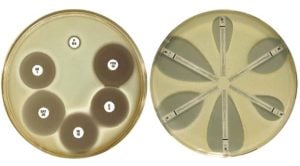
Antimicrobial Susceptibility Testing (AST)- Types and Limitations

September 25, 2022August 18, 2022 by Sagar Aryal, PhD
Antimicrobial Susceptibility Testing (AST)

In the treatment and control of infectious diseases, especially when caused by pathogens that are often drug-resistant, susceptibility (sensitivity) testing is used to select effective antimicrobial drugs. Susceptibility testing is … Read more

Streptococcus bovis: Morphology, Characteristics, Infections & Identification

September 26, 2026August 10, 2022 by Anupama Sapkota
Streptococcus bovis

What is Streptococcus bovis? Streptococcus bovis is a Gram-positive bacterium that belongs to the bovis/equinus complex of the viridans Streptococci. It is present in the gastrointestinal tract of humans as … Read more

Staphylococcus epidermidis: Morphology, Characteristics, Infections & Identification

September 26, 2026July 9, 2022 by Sagar Aryal, PhD
Staphylococcus epidermidis - An Overview

What is Staphylococcus epidermidis? Staphylococcus epidermidis is a Gram-positive bacterium belonging to the genus Staphylococcus and is the most frequently isolated species from human epithelia. Classification of Staphylococcus epidermidis Classification … Read more

Bacillus subtilis: Morphology, Characteristics, Uses & Identification

September 26, 2026July 7, 2022 by Anupama Sapkota
Bacillus subtilis

Bacillus subtilis is the type species of the genus Bacillus which is commonly found in diverse environments ranging from soil to the gastrointestinal tract of cattle and humans. It is … Read more

Pseudomonas putida: Morphology, Characteristics, Uses & Identification

September 26, 2026July 3, 2022 by Anupama Sapkota
Pseudomonas putida

Pseudomonas putida is a Gram-negative flagellated rod-shaped bacterium that is commonly isolated from diverse environmental and clinical samples. These organisms are frequent inhabitants of the rhizospheric and freshwater habitats and … Read more

Enterotoxigenic E. coli (ETEC): Characteristics, Virulence, Diarrhea & Diagnosis

September 26, 2026July 1, 2022 by Sagar Aryal, PhD
Enterotoxigenic E. coli (ETEC)

Image Source: CDC and Johns Hopkins Bloomberg School of Public Health Disease Caused Mode of Transmission The infections are primarily acquired through consumption of fecally contaminated food or water. Person-to-person … Read more

Staphylococcus saprophyticus: Morphology, Characteristics & Identification

September 26, 2026June 30, 2022 by Anupama Sapkota
Staphylococcus saprophyticus

What is Staphylococcus saprophyticus? Staphylococcus saprophyticus is a Gram-positive, coagulase-negative coccus that is an important part of the group of microorganisms causing urinary tract infections (UTIs), particularly in young sexually … Read more

Older posts
Newer posts
← Previous Page1 … Page5 Page6 Page7 … Page15 Next →

Topics / Categories

  • Agricultural Microbiology (30)
  • Bacteriology (141)
  • Basic Microbiology (64)
  • Biochemical Test (114)
  • Biochemistry (225)
  • Bioinformatics (28)
  • Biology (149)
  • Biotechnology (61)
  • Botany (113)
  • Cell Biology (108)
  • Culture Media (68)
  • Difference Between (89)
  • Diseases (59)
  • Environmental Microbiology (15)
  • Epidemiology (29)
  • Food Microbiology (52)
  • Genetics (87)
  • Human Anatomy and Physiology (84)
  • Immunology (124)
  • Instrumentation (73)
  • Medical Devices (15)
  • Microscopy (35)
  • Molecular Biology (136)
  • Mycology (44)
  • Parasitology (28)
  • Pharmacology (28)
  • Protocols (8)
  • Research Methodology (20)
  • Staining (30)
  • Syllabus (20)
  • Virology (69)
  • Zoology (40)
  • Our Team
  • Advisory Board
  • About Us
  • Contact Us
  • Editorial Policy
  • Privacy Policy
  • Cookie Policy
  • Disclaimer (Terms and Conditions)
© 2026 Microbe Notes. Made with ♡ by Sagar Aryal.