
Blood Pressure: Definition, Measurement, Mechanism

Blood pressure is the measure of the pressure developed against the wall of the arteries by the circulating blood. It is the measure of the pressure of the blood in … Read more
Human physiology is a branch of natural science that deals with the functioning of the human body.
Blood pressure is the measure of the pressure developed against the wall of the arteries by the circulating blood. It is the measure of the pressure of the blood in … Read more
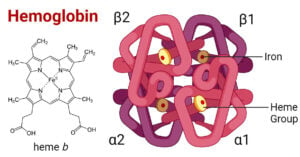
Hemoglobin is a complex iron-containing protein found in erythrocytes (red blood cells) of most vertebrates that plays a vital role in carrying oxygen and carbon dioxide within the blood. It … Read more

Disclaimer: The information presented on the website is for academic, study, and general information purposes only. The information and tips presented on the website must not be used for the … Read more
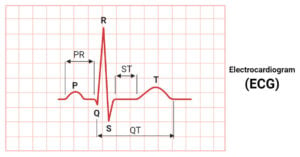
Electrocardiogram, commonly known as ECG or EKG is a medical test report indicating the heart’s electrical activity and rhythm during repeated cardiac cycles. It is printed on grid paper called … Read more
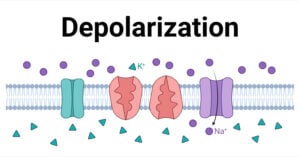
Cell-cell communication is a crucial part of biological systems. Among various ways of cell communication, communication through electrical signals is of great significance where depolarization plays an important role in … Read more
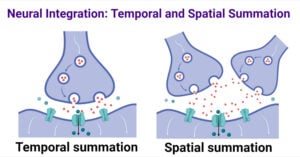
Neurons conduct signals to other neurons where synapse acts solely as conveyers of information. With the aid of various forms of synaptic activity, a single neuron can convey an array … Read more
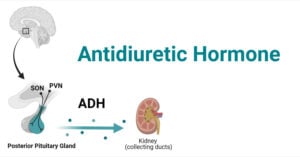
Antidiuretic hormone (ADH) or vasopressin or arginine vasopressin is a peptide hormone synthesized by supraoptic and paraventricular nuclei in the hypothalamus and is stored in the pituitary gland. Even synthesized … Read more
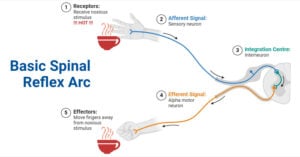
What is a Reflex? A reflex is a fast, predictable, automatic (involuntary) response triggered by specific stimuli (environmental change). It is a quick, automatic reaction to something that happens and … Read more
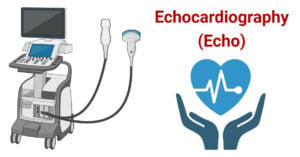
Echocardiography (Echo) is a non-invasive medical procedure that uses high-frequency sound (ultrasound) to investigate the heart’s anatomy and function. This test uses 1.5 to 7.5 MHz sound waves to examine … Read more

Our cardiovascular system comprises the heart and a closed circuit of blood vessels for the closed continuous blood circulation throughout the body. This closed, interconnected network of blood vessels defines … Read more