RBC vs WBC- Definition and 19 Major Differences
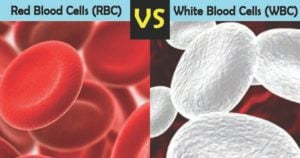
RBC vs WBC (Table form) S.N. Characteristics Red Blood Cells (RBCs) White Blood Cells (WBCs) 1. Alternative Name Erythrocytes Leucocytes 2. Origin In the embryonic phase, they are formed in … Read more
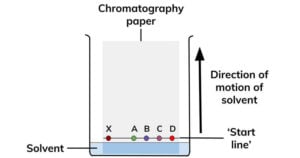
What is Paper Chromatography? Paper chromatography (PC) is a type of planar chromatography whereby chromatography procedures are run on a specialized paper. PC is considered to be the simplest and … Read more
Specimens: stool, mucus flecks, and rectal swabs for culture. Large numbers of fecal leukocytes and some red blood cells often are seen microscopically. Microscopic examination Microscopic examination of stool smears … Read more
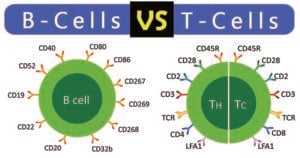
Differences between B Cells and T Cells The major differences between them are: S.N. Characteristics B lymphocytes (B cells) T lymphocytes (T cells) 1. Site of Maturation B lymphocytes both … Read more
Structure of Human Cytomegalovirus Figure: Structure of Human Cytomegalo Virus, Source: Dr. Marko Reschke, Marburg, Germany Cytomegalovirus is a member of the herpes virus family that falls under the beta … Read more
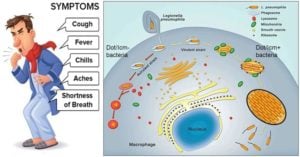
Virulence factors of Legionella pneumophila Heat shock protein 60: enhances invasion and cytokine expression in macrophages. Outer membrane protein: binding with and delivery of packaged materials into the eukaryotic cells. inhibit … Read more
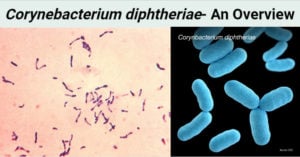
Habitat of Corynebacterium diphtheriae Corynebacterium diphtheriae is found in nasopharynx as well as in skin lesions, which actually represent a reservoir for the spread of diphtheria. Also found in mouth, throat, … Read more
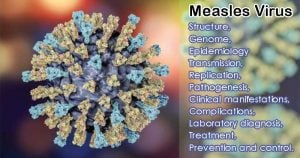
Measles Virus Image Source: BBC Structure Measles virus is the prototypic member of the Morbillivirus genus of the family Paramyxoviridae. Measles virus is spherical with a diameter ranging from 100 … Read more
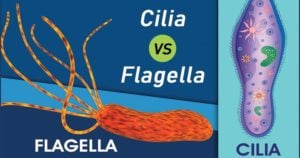
Cilia and flagella are cytoplasmic processes extending from the cell surface. The cell organelles are similar but are differentiated based on their size, number, function and/or mode of beating. Here are the key … Read more
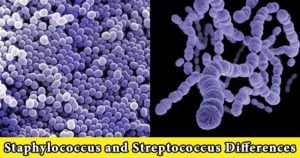
Staphylococcus and Streptococcus are Gram-positive and the two most common pathogenic cocci of medical importance. They are both non-motile, non-sporing, and facultative anaerobes which can be differentiated on the following grounds: S.N. … Read more