
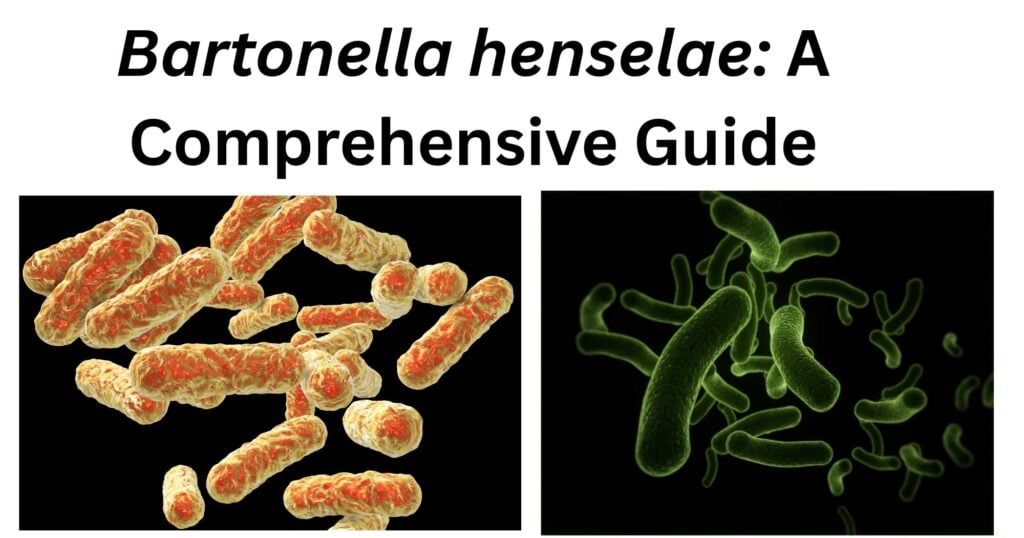
Bartonella henselae is a member of the genus Bartonella, one of the most common types of bacteria worldwide. This bacterium is the causative agent of cat-scratch disease, which spreads to humans through scratches, bites, or flea vectors associated with domestic or wild cats.
Most of the healthy individuals do not develop any symptoms, and those with a mild infection generally get better without any treatment.
Taxonomy and Classification of Bartonella henselae
Domain: Bacteria
Kingdom: Pseudomonadati
Phylum: Pseudomonadota
Class: Alphaproteobacteria
Order: Hyphomicrobiales
Family: Bartonellaceae
Genus: Bartonella
Species: Bartonella henselae
Morphology and Microscopy of Bartonella henselae
- Bartonella henselae is a small, fastidious, Gram-negative bacterium.
- It is a pleomorphic bacillus that can appear as short or slightly curved rods.
- It is approximately 0.3 to 0.6 µm in diameter and 1.0 to 1.7 µm in length.
- Non-Motile
- Non-Sporing
- Non-Capsulated
- It is a facultative intracellular bacterium.
After Gram staining, it appears as faintly pink, short, or slightly curved rods under the microscope.
Cultural and Growth Characteristics of Bartonella henselae
- Aerobic and capnophilic bacteria that grow best in a 5-10% CO2 atmosphere.
- Optimum temperature: 35-37˚C
- Optimum pH: 7.2-7.4
- On MacConkey Agar: It does not show any growth.
- On Blood Agar with 5% Sheep Blood: It does not show any growth.
- On Biphasic Medium (BM)
-On Broth: Bacteria show abundant growth with dense granular turbidity without any pigmentation.
-On Solid Medium: 1-3mm, circular, elevated, smooth surfaced, entire edge, whitish to translucent.
- On Tryptic Soy Broth (TSB): Abundant growth, dense granular turbidity, no pigmentation.
- On Tryptic Soy Agar (TSA) with 5% Sheep Blood: 1-3mm, circular, smooth, viscid, entire edge, low convex, iridescent, non-hemolytic, sticky, not embedded in medium, and immiscible.
- On Brain Heart Infusion Agar (BHIA) with 5% Sheep Blood: 1-3mm, low convex, entire edge, smooth, viscid, iridescent, non-hemolytic, sticky, not embedded in medium, and immiscible.
Source: https://step1.medbullets.com/microbiology/104104/bartonella-henselae
Biochemical and Identification Tests of Bartonella henselae
| Tests | Results |
| Gram Staining | Negative |
| Catalase | Negative or weakly positive |
| Oxidase | Negative |
| Urease | Negative |
| Nitrate Reduction | Negative |
| Indole | Negative |
| Carbohydrate Fermentation | Non-fermentative |
Pathogenesis and Virulence Factors of Bartonella henselae
Entry
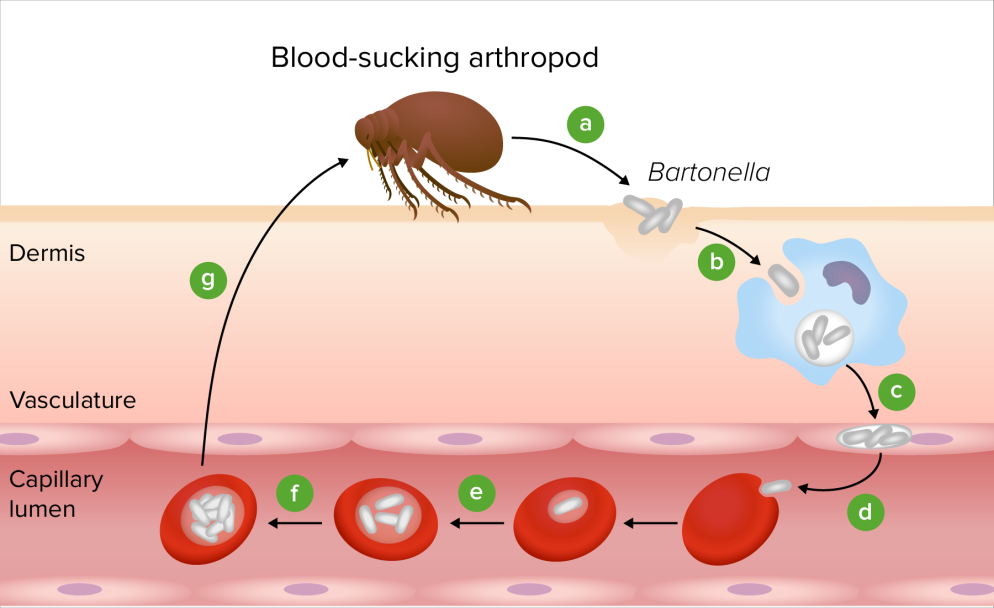
- The bacteria enter through the broken skin when humans get scratches or bites from cats.
Local Infection
- After entry, the bacteria then multiply at the site, where they form a primary papule or pustule.
- The bacteria then invade endothelial cells and macrophages.
Lymphatic Spread
- After that, the bacteria spread through lymphatics to regional lymph nodes, causing lymphadenitis, which is the marker of cat scratch disease.
- Lymph nodes then become tender, enlarged, and may suppurate.
Intracellular Survival
- It survives inside macrophages and evades immune destruction.
- Then the bacteria infect endothelial cells, promoting vascular changes.
Vascular Proliferation
- It then stimulates angiogenesis (formation of new blood vessels), causing bacillary angiomatosis, especially in immunocompromised individuals.
- This is caused by bacterial stimulation of host cell growth factors.
Systemic Dissemination
- In some cases, bacteria spread via the bloodstream to the liver, eyes, and spleen, causing hepatic lesions and neuroretinitis.
- Severe disease occurs in immunocompromised people, such as HIV patients.
Source: https://www.lecturio.com/concepts/bartonella/
Virulence Factors
Lipopolysaccharide
- It helps in immune evasion.
- Avoids a strong immune response.
Trimeric Autotransporter Adhesins (BadA, Vomps)
- It helps in bacterial autoaggregation.
- It aids in attachment to the extracellular matrix.
- It contributes to binding of the host cell through β1-integrins, activation of HIF-1, and NF-κB.
- It plays a crucial role in the inhibition of phagocytosis of macrophages.
VirB/D4 type IV Secretion System
- It is essential for the inhibition of apoptosis.
- It helps in proinflammatory activation.
- It is necessary for the invasome formation.
- It contributes to the modulation of angiogenesis.
Outer Membrane Proteins
- It helps in the activation of NF-κB signaling and host cell adhesion.
Deformin
- It assists in the formation of invaginations in erythrocyte membranes.
Hemin Binding Proteins
- It contributes to hemin binding and fibronectin binding.
OMP43
- It helps in fibronectin binding and host cell binding.
Trw Type IV Secretion System
- It is essential for adhesion to the erythrocyte surface.
Surface Proteins
- It contributes to the activation of cellular signaling through β1-integrins.
Epidemiology and Transmission of Bartonella henselae
B. henselae typically causes Cat Scratch Disease (CSD), which causes mild illness, especially in immunocompromised individuals, with 55% of cases in children younger than 18 years, among which 60% were boys. In the United States, per year approximately 24,000 persons are affected by CSD. CSD occurs worldwide, with more than half of the cases occurring from September to January in the United States. Children aged from 5 to 9 are at a higher incidence, probably due to the higher exposure to kittens.
About 4.5 to 9.4 cases per 100,000 people are reported having CSD per year, with severe symptoms in younger children and adult women, requiring hospitalization. During the COVID-19 pandemic, there was an increased incidence in some areas, probably due to increased contact with cats during quarantine. A meta-analysis estimated a global prevalence of 15.3% of B. henselae. Similarly, seroprevalence was recorded at 16% in pet cats of Central Italy, whereas it was estimated 39% in the stray cats in Northern Italy.
However, due to the lack of data, the prevalence of B. henselae in the cats of Croatia and the surrounding countries of Central and Southeastern Europe is unclear. Cats, mainly younger than 1 year, remain vector-borne by obtaining B. henselae through bites of the cat flea, causing bacteremia.
Domestic cats, especially kittens, are the main reservoir, and fleas (Ctenocephalides felis) are the main vectors among cats. Cats may carry B. henselae in their blood for months without showing any symptoms. Transmission of B. henselae can occur through the following routes:
Cat Scratches or Bites
- It is the most common mode of transmission where the bacteria from the claws or mouth of a cat enter via broken skin.
- Scratches contaminated with feces of fleas containing bacteria increase the risk of infection.
Direct Contact with cat saliva or blood
- It is less common, but it is possible through open wounds.
Arthropod Vectors
- Fleas play a crucial role in cat-to-cat transmission, but rarely spread to humans.
- Ticks and other arthropods are potential, but cases are not confirmed.
Person-to-person transmission is extremely rare.
Risk Factor
- Anyone who lives with or frequently interacts with cats or kittens is at increased risk of exposure to B. henselae, especially if they are scratched or bitten.
- Patients with HIV are at increased risk of B. henselae infection.
- Individuals with weakened immune systems, such as those undergoing chemotherapy, people living with HIV/AIDS, transplant recipients, or patients on long-term corticosteroid therapy, are at increased risk for severe B. henselae infection and complications.
Clinical Manifestations of Bartonella henselae
Cat Scratch Disease (CSD)
- Incubation period ranges from 3 to 10 days after a scratch or bite.
Symptoms:
- Papule or pustule at the scratch site
- Regional lymphadenopathy
- Mild fever
- Fatigue
- Malaise
- These symptoms usually resolve within 2-4 weeks in healthy individuals.
Bacillary Angiomatosis
- This is common in immunocompromised individuals, such as HIV patients.
Symptoms:
- Red, raised, vascular skin lesions (papules or nodules)
- Bleeding from lesions.
- Affect internal organs such as the liver, spleen, and bone.
- Fever
- Malaise
- Muscle, bone, or joint pain
- Loss of appetite
Bacillary Peliosis Hepatis
- Vascular lesions in the liver and spleen.
- Can cause hepatosplenomegaly, abdominal pain, and anaemia.
Ocular Manifestations
- Can cause neuroretinitis (inflammation of the retina and optic nerve).
Symptoms:
- Blurred vision
- Visual Field Defects
Complications
- Encephalopathy
- Endocarditis
- Heart failure
- Parinaud oculoglandular Syndrome
Laboratory Diagnosis of Bartonella henselae
-Sample Collection
Depending on the type of infection, a sample is determined.
| Disease | Sample |
| Febrile Patients | Blood |
| Cat Scratch Disease | Lymph Node Aspirates |
| Bacillary Angiomatosis or Peliosis | Biopsy of skin lesions |
| Neuroretinitis | Ocular Fluid |
-Gram Staining
- Appears as faintly pink short or slightly curved rods.
- Staining with Warthin-Starry silver stain shows black bacilli in tissue.
- Staining with Giemsa stain reveals intracellular bacteria in endothelial cells or macrophages.
-Culture
- On MacConkey Agar: No growth
- On Blood Agar with 5% sheep blood: No growth
- On Biphasic Medium (BM)
- On Broth: Bacteria show abundant growth with dense granular turbidity without any pigmentation.
- On Solid Medium: 1-3mm, circular, elevated, smooth surfaced, entire edge, whitish to translucent.
- On Tryptic Soy Broth (TSB): Abundant growth, dense granular turbidity, no pigmentation.
- On Tryptic Soy Agar (TSA) with 5% Sheep Blood: 1-3mm, circular, smooth, viscid, entire edge, low convex, iridescent, non-hemolytic, sticky, not embedded in medium, and immiscible.
- On Brain Heart Infusion Agar (BHIA) with 5% Sheep Blood: 1-3mm, low convex, entire edge, smooth, viscid, iridescent, non-hemolytic, sticky, not embedded in medium, and immiscible.
-Biochemical Tests
- After culture, colonies from incubated plates are tested for biochemical tests and confirmed as B. henselae based on the following results:
| Tests | Results |
| Gram Staining | Negative |
| Catalase | Negative or weakly positive |
| Oxidase | Negative |
| Urease | Negative |
| Nitrate Reduction | Negative |
| Indole | Negative |
| Carbohydrate Fermentation | Non-fermentative |
-Serology
- It detects IgG and IgM antibodies against B. henselae.
- Indirect Fluorescent Antibody (IFA) and ELISA are used for the detection of antibodies against B. henselae.
- This method is useful in cat scratch disease and retrospective diagnosis.
- However, the test may cross-react with other Bartonella species.
-Molecular Tests
PCR
- It detects bacterial DNA in blood, tissue, or lesion aspirate.
- This test targets the 16S rRNA gene and gltA (citrate synthase gene).
- This test is highly specific and sensitive.
- This test is especially preferred in early detection and in immunocompromised patients.
Histopathology
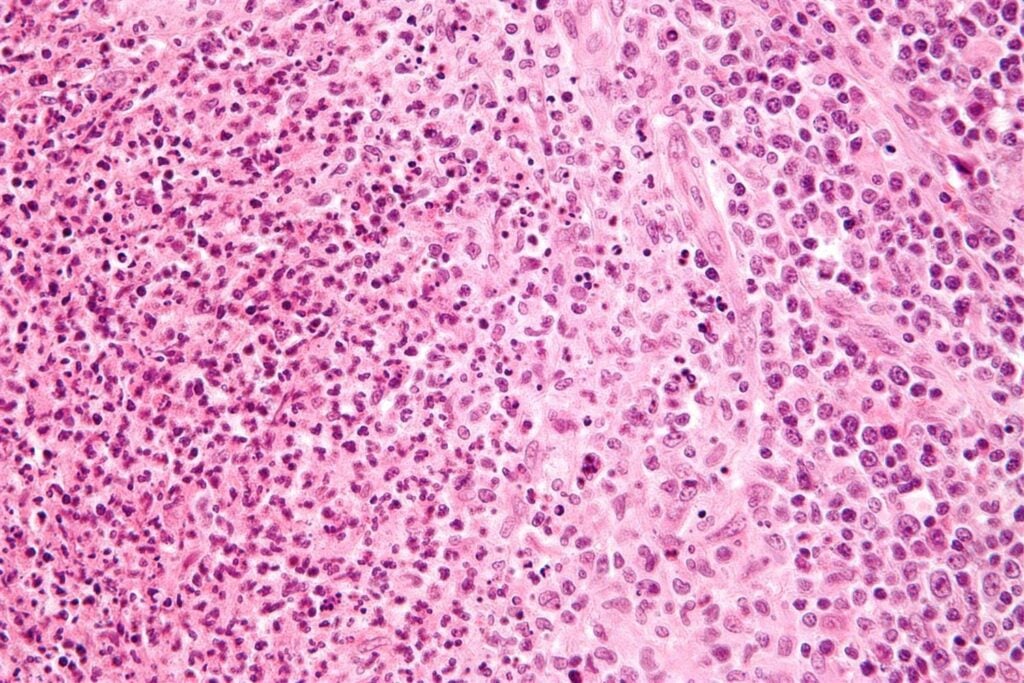
- Biopsy shows granulomatous inflammation in lymph nodes and vascular proliferation in bacillary angiomatosis.
-Treatments
For Mild Infection
- Is often self-limiting and resolves within 2-8 weeks.
- Only supportive care is necessary, which includes:
- Analgesics such as Paracetamol.
- Warm compresses for lymph nodes.
- Antibiotics are optional but can be given, such as Azithromycin, which shortens the duration of lymphadenopathy.
For Moderate Infection
The following antibiotics can be used:
- Azithromycin
- Doxycycline
- Rifampin
- Ciprofloxacin
Lymph node aspiration is required in the case of severe pain and suppuration.
For Severe or Disseminated Infection
- Doxycycline and Rifampin are used in combination.
- Erythromycin, Clarithromycin, Ciprofloxacin, and trimethoprim-sulfamethoxazole can also be used as alternative antibiotics.
- The duration of therapy ranges from weeks to months, depending on the severity.
For Serious Complication
- Doxycycline and Gentamicin are used for a prolonged period of time.
- In some serious cases, surgical valve replacement is necessary.
Prevention and Control of Bartonella henselae
- Always wash your hands with soap and water after touching and playing with kittens or cats.
- Keep your cats indoors to decrease the risk of flea bites.
- Consult with a veterinarian about the various ways to protect your cat from fleas.
- Avoid touching or playing with stray kittens or cats.
- If you have a weakened immune system, adopt a cat that is a year old rather than a kitten.
- If you have any scratches or wounds, cover them properly and don’t let the cat lick them.
- Always cover your whole body when going out.
- Take a shower regularly with soap and water, and once a week, change your clothing.
- Avoid sharing bedding, clothing, towels, or personal items with others.
Conclusion
Bartonella henselae is a Gram-negative, fastidious, intracellular bacterium, responsible for causing Cat Scratch Disease (CSD) and primarily transmitted through cat scratches, bites, or flea exposure. Although infections are normally self-limiting in immunocompetent individuals, the bacteria can cause serious complications like bacillary angiomatosis, peliosis hepatis, encephalopathy, and endocarditis in immunocompromised people.
Laboratory diagnosis is based on culture, serology, and molecular tests such as PCR. Since no vaccine is currently available, the effective control relies mainly on preventive measures such as proper handling of pets, flea control, and proper hygiene.
References
- Diddi, K., Chaudhry, R., Sharma, N., & Dhawan, B. (2013). Strategy for identification & characterization of Bartonella henselae with conventional & molecular methods. Indian Journal of Medical Research, 137(2), 380–387.
- Harms, A., & Dehio, C. (2012). Intruders below the radar: Molecular pathogenesis of Bartonella spp. Clinical Microbiology Reviews, 25(1), 42–78. https://doi.org/10.1128/CMR.05009-11
- Anderson, B. E., Goldsmith, C. S., Johnson, A., Padmalayam, I., & Baumstark, B. R. (2004). Growth characteristics of Bartonella henselae in a novel liquid medium: Primary isolation, growth-phase-dependent phage induction, and metabolic studies. Journal of Clinical Microbiology. https://pubmed.ncbi.nlm.nih.gov/14766538/
- Sabir, S., Daley, S. F., & Huang, B. (2026). Cat scratch disease. In StatPearls [Internet]. StatPearls Publishing. Retrieved from https://www.ncbi.nlm.nih.gov/books/NBK482139/
- Cleveland Clinic. (n.d.). Cat scratch fever. Cleveland Clinic. https://my.clevelandclinic.org/health/diseases/23537-cat-scratch-fever
- Tay, S. Y., Freeman, K., & Baird, R. (2021). Clinical manifestations associated with Bartonella henselae infection in a tropical region. American Journal of Tropical Medicine and Hygiene, 104(1), 198–206. https://doi.org/10.4269/ajtmh.20-0088
- Cotté, V., Bonnet, S., Le Rhun, D., Le Naour, E., Chauvin, A., Boulouis, H.-J., Lecuelle, M., Lilin, T., & Vayssier-Taussat, M. (2008). Transmission of Bartonella henselae by Ixodes ricinus. Emerging Infectious Diseases, 14(7), 1074–1080. https://doi.org/10.3201/eid1407.071110
- University of Alabama at Birmingham, Children’s of Alabama. (n.d). Bug du jour: Bartonella (Antimicrobial stewardship program). https://www.childrensal.org/sites/default/files/workfiles/antimicrobial/Bug_du_Jour-Bartonella.pdf
- Cleveland Clinic. (n.d.). Bartonellosis. Cleveland Clinic. https://my.clevelandclinic.org/health/diseases/bartonellosis
