Anatomical Barriers of Immune System- Skin and Mucus
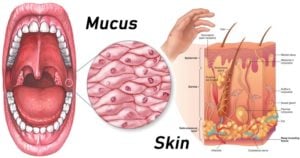
Before a microbe or parasite can invade the host and cause infection, it must first attach to and penetrate the surface epithelial layers of the body. Organisms gain entrance into … Read more
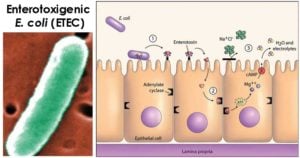
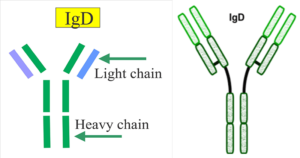
Image Source: CDC and Johns Hopkins Bloomberg School of Public Health Disease Caused Mode of Transmission The infections are primarily acquired through consumption of fecally contaminated food or water. Person-to-person … Read more
Immunoglobulin D (IgD) is a unique immunoglobulin with a low concentration in serum and the exact function of which is not known. IgD represents about 0.25% of the total serum … Read more
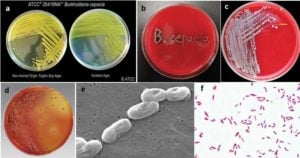
a: Burkholderia cepacia ATCC (Image Source: ATCC) b: Burkholderia cepacia (Image Source: Rapid Microbiology) c: Burkholderia cepacia (Image Source: OMICS International) d: Burkholderia cepacia complex from respiratory secretions of patients … Read more
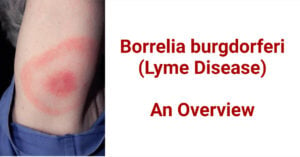
Borrelia burgdorferi is the causative agent of Lyme disease, mostly occurring in North America and Europe. Classification of Borrelia burgdorferi The following is the taxonomical classification of B. burgdorferi- Domain … Read more
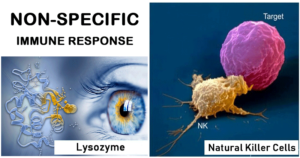
Defence mechanism refers to the ways in which the body protects itself from invasion of pathogenic organisms or other foreign materials such that it provides defence against their harmful effects. … Read more
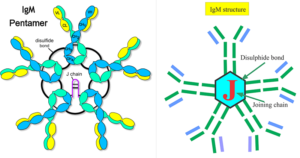
Immunoglobulin M (IgM) is an antigen receptor on B cells and the first antibody produced in an immune response. It is present both on B cells, and as a soluble … Read more
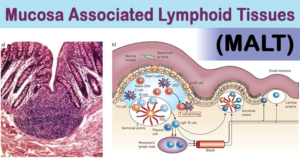
The main sites of entry for microbes into the body are through mucosal surfaces. Hence, the majority (>50%) of lymphoid tissue in the human body is located within the lining … Read more
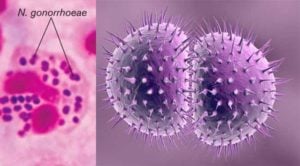
Habitat of Neisseria gonorrhoeae Human is only the natural host. Found in human urogenital tract. Rectal carriage in healthy individuals. Typically seen in pus cells (intracellular) Found intracellularly in polymorphonuclear … Read more
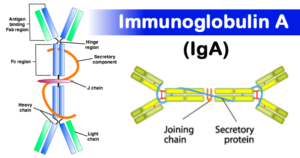
Antibodies, or ‘immunoglobulins’, are glycoproteins that bind antigens with high specificity and affinity. In humans there are five chemically and physically distinct classes of antibodies (IgG, IgA, IgM, IgD, IgE). … Read more