Koch’s postulates and its limitations
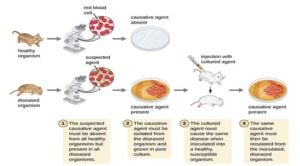
Koch’s postulate forms the very basis of the pathogenic microbiology. The causality of almost all infectious diseases is based on the postulate and theories developed by Robert Koch, who is … Read more
Microbiology is the branch of science that deals with microscopic organisms and their interaction with other microscopic and macroscopic organisms.
Koch’s postulate forms the very basis of the pathogenic microbiology. The causality of almost all infectious diseases is based on the postulate and theories developed by Robert Koch, who is … Read more
Biochemical reactions are significant in the identification of bacterial isolates and in the identification of different bacterial species. These tests depend on the presence of certain enzymes, such as catalase, … Read more
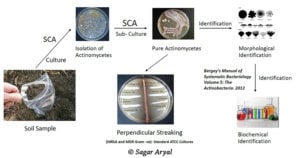
Figure: Free living actinomycetes are ubiquitous in soil environments as well as in marine and fresh water ecosystems. In addition, they have an important ecological role in the turnover of organic … Read more
Biosafety Cabinets Definition Biosafety Cabinets (BSCs) are enclosed workspaces with a ventilated hood that is designed to contain pathogenic microorganisms during microbiological processes. The primary purpose of biosafety cabinets is … Read more
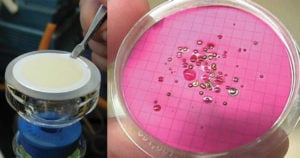
The Membrane Filter (MF) Technique was introduced in the late 1950s as an alternative to the Most Probable Number (MPN) procedure for microbiological analysis of water samples. It involves the … Read more
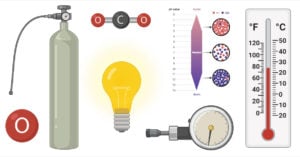
With respect to humans, the term growth refers to an increase in size; for example, going from a tiny newborn baby to a large adult. Although bacteria do increase in … Read more
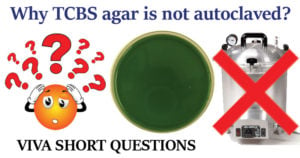
Answer: Thiosulfate-citrate-bile salts-sucrose (TCBS) Agar is used for the selective isolation of Vibrio cholerae and other enteropathogenic vibrios. TCBS agar is composed of yeast extract, peptone, sodium thiosulfate, sodium citrate, … Read more
Nature has always provided, in considerable amounts and variety, polymeric materials with interesting compositions and structures. These natural polymers include polysaccharides, such as cellulose, chitin, starch, alginate, galactan, hyaluronic acid, … Read more
For over 100 years, from the time Louis Pasteur (1822–1895) reformulated the germ hypothesis of illness, and Robert Koch (1843–1910) built up his renowned “proposes” for setting up the relationship … Read more
Aseptic technique is a set of routine measures that are taken to prevent cultures, sterile media stocks, and other solutions from being contaminated by unwanted microorganisms (i.e., sepsis). While such … Read more