Skip to content
Microbe Notes

Microbe Notes

  • Home
  • Biological Sciences
    • Biochemistry
    • Bioinformatics
    • Biology
    • Biotechnology
    • Botany
    • Cell Biology
    • Genetics
    • Molecular Biology
    • Zoology
  • Microbiology
    • Agricultural Microbiology
    • Bacteriology
    • Basic Microbiology
    • Environmental Microbiology
    • Food Microbiology
    • Immunology
    • Mycology
    • Parasitology
    • Virology
  • Laboratory Methods
    • Biochemical Test
    • Culture Media
    • Instrumentation
    • Microscopy
    • Staining
  • Health and Medical
    • Diseases
    • Epidemiology
    • Human Anatomy and Physiology
    • Medical Devices
    • Pharmacology
  • Resources
    • Difference Between
    • Microbiology Terms
    • Microorganisms Note
    • Protocols
    • Research Methodology
    • Syllabus

Rashal Shakya

Rashal Shakya has a bachelor’s degree (B.Tech.) in Biotechnology from Kathmandu University. He has actively contributed to multiple academic and research projects. His notable work includes the isolation and characterization of endophytic microbiomes in Paris polyphylla Sm., published in the Nepal Journal of Biotechnology. Rashal has gained hands-on experience through internships at leading research institutes, Kathmandu Research Institute for Biological Sciences (KRIBS) and Research Institute for Bioscience and Biotechnology (RIBB). With a growing interest in the intricacies of molecular biology and cellular machineries, he aims to contribute meaningfully to applied biosciences and translational research.

Differential Gene Expression Analysis for RNA Sequencing: Steps, Applications
July 30, 2026 by Rashal Shakya
Differential Gene Expression Analysis for RNA Sequencing

The genome of all somatic cells (except B-lymphocytes) in an organism is the same; however, cells have varied functions and differ from one another. How do these differences take place? … Read more

Tumor Suppressor Genes: Discovery, Types, Mechanisms

August 3, 2026July 26, 2026 by Rashal Shakya
Tumor Suppressor Genes

Cells are innately designed to suppress uncontrollable cell proliferation, i.e., cancer. They have intricate tumor suppression mechanisms known as tumor suppressor genes to prevent such abnormalities. When these mechanisms are … Read more

Comparative Genomics: Methods, Tools, Significance

August 3, 2026July 25, 2026 by Rashal Shakya
Comparative Genomics

Human beings share about 99% of DNA with other people, 98.5% with chimpanzees, 85% with mice, and a surprising 60% with bananas. But what is the portion that varies in … Read more

Aging and Telomeres: The End Replication Problem

August 3, 2026July 24, 2026 by Rashal Shakya
Aging and Telomeres

Aging, or senescence, is the gradual deterioration of the cellular and physiological functions of the body necessary for survival and fertility over time. The process is a culmination of the … Read more

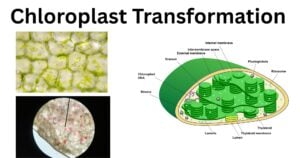
Chloroplast Transformation: Principle, Methods, Steps, Applications

August 3, 2026July 23, 2026 by Rashal Shakya
Chloroplast Transformation

DNA in plants is segregated into three compartments: the nucleus, the chloroplasts, and the mitochondria. Each of these three carries its own genome and expresses traits based on its function. … Read more

Carcinogens: Classification, Sources, Risks, Cancer, Detection

July 31, 2026July 22, 2026 by Rashal Shakya
Carcinogens

Every day we get exposed to a myriad of different chemicals, organisms, or other agents, be it in food, water, air, cosmetics, paints, and other environments. A few of these … Read more

Eukaryotic Genome: Features, Organization, Genes, Regions

July 27, 2026July 21, 2026 by Rashal Shakya
Eukaryotic Genome

The eukaryotic genome refers to the entire genetic material in eukaryotes, ranging from single-celled fungi to complex multicellular organisms. Eukaryotes have a wide range of DNA inside the nucleus, mitochondria, … Read more

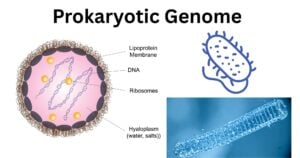
Prokaryotic Genome: Features, Organization, Operons

July 27, 2026July 20, 2026 by Rashal Shakya
Prokaryotic Genome

The prokaryotic genome refers to the entire genetic material in prokaryotes, like bacteria, archaea, and cyanobacteria. These primitive life forms have a single circular DNA molecule, dispersed in the cytoplasm. … Read more

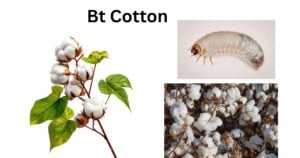
Bt Cotton: History, Mechanism, Production, Advantages

July 27, 2026July 19, 2026 by Rashal Shakya
Bt cotton

Cotton (Gossypium hirsutum) is one of the major sources of fiber for textile and seed oil companies worldwide. Unfortunately, it is also a victim of insect pests, resulting in significant … Read more

Circadian Rhythm: Location, Components, Mechanism, Significance

July 26, 2026July 18, 2026 by Rashal Shakya
Circadian Rhythm

All organisms on Earth are accustomed to a rhythmic 24-hour biological cycle in metabolism and behavior to adapt to the day-and-night cycle. These day-and-night fluctuations are controlled by a complex … Read more

Older posts
Page1 Page2 Page3 Next →

Topics / Categories

  • Agricultural Microbiology (30)
  • Bacteriology (139)
  • Basic Microbiology (64)
  • Biochemical Test (114)
  • Biochemistry (225)
  • Bioinformatics (28)
  • Biology (149)
  • Biotechnology (61)
  • Botany (113)
  • Cell Biology (108)
  • Culture Media (68)
  • Difference Between (89)
  • Diseases (58)
  • Environmental Microbiology (15)
  • Epidemiology (29)
  • Food Microbiology (52)
  • Genetics (87)
  • Human Anatomy and Physiology (84)
  • Immunology (124)
  • Instrumentation (73)
  • Medical Devices (15)
  • Microscopy (35)
  • Molecular Biology (134)
  • Mycology (44)
  • Parasitology (28)
  • Pharmacology (28)
  • Protocols (9)
  • Research Methodology (20)
  • Staining (30)
  • Syllabus (20)
  • Virology (69)
  • Zoology (40)
  • Our Team
  • Advisory Board
  • About Us
  • Contact Us
  • Editorial Policy
  • Privacy Policy
  • Cookie Policy
  • Disclaimer (Terms and Conditions)
© 2026 Microbe Notes. Made with ♡ by Sagar Aryal.