
Every day we get exposed to a myriad of different chemicals, organisms, or other agents, be it in food, water, air, cosmetics, paints, and other environments. A few of these chemicals or agents can be detrimental to the human body, even causing the development of cancer cells. These kinds of chemicals are known as carcinogens.
What are carcinogens?
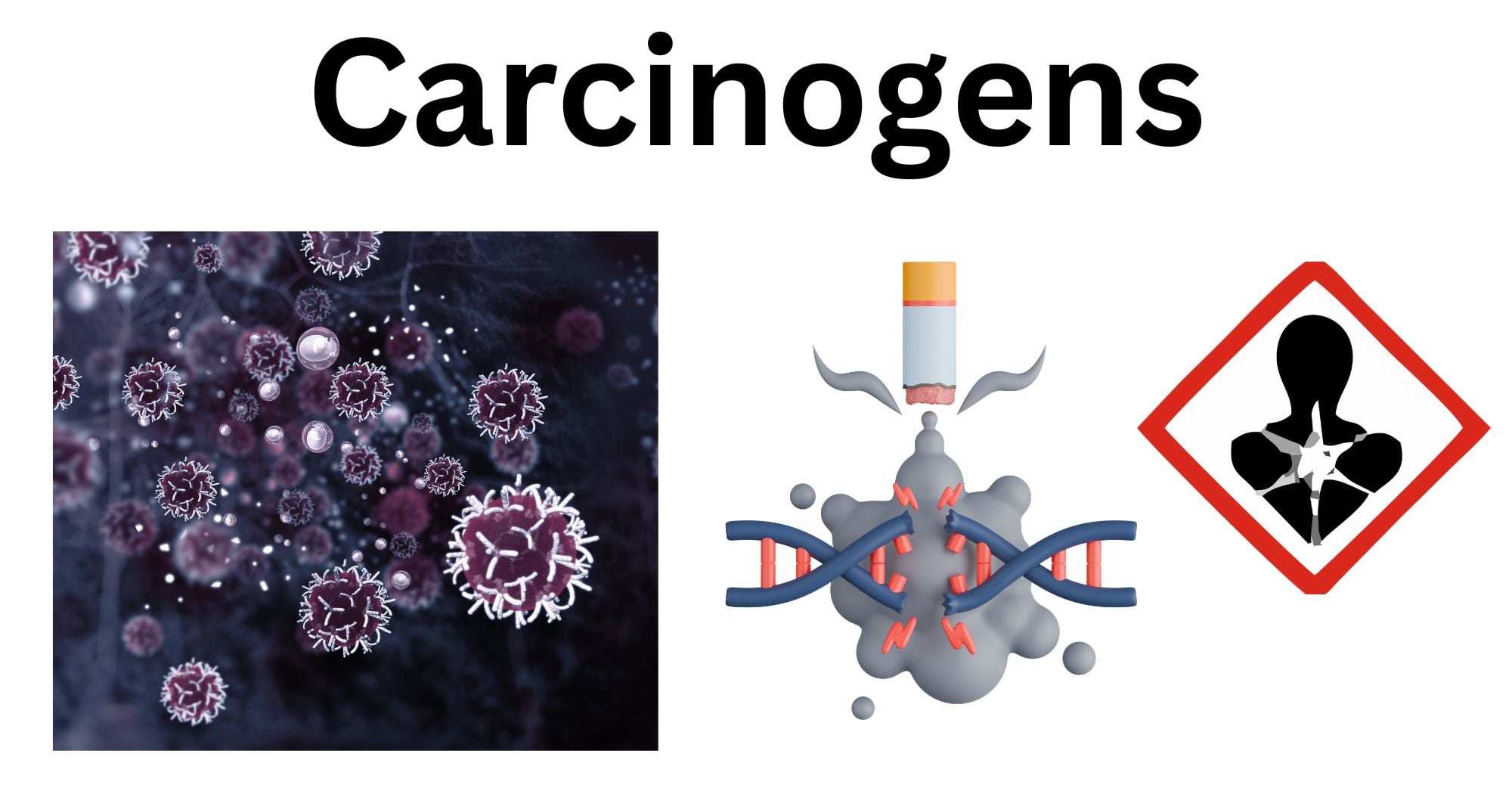
Carcinogens are any substances that trigger the onset of cancer in normal cells upon exposure. They may occur naturally in the environment in living organisms or viruses, or through radiation, physical ionizing agents, and non-ionizing radiation, or may be generated artificially by humans, such as cigarette smoke, exhaust fumes, etc. Therefore, it is integral to identify these agents to take specific measures to mitigate/avoid our exposure to them.
- Presently, there have been over 500 substances that have been identified as exact, probable, or possible carcinogens in humans. Every year, the World Health Organization (WHO) and the US National Toxicology Program (NTP) publish a list of known and probable human carcinogens.
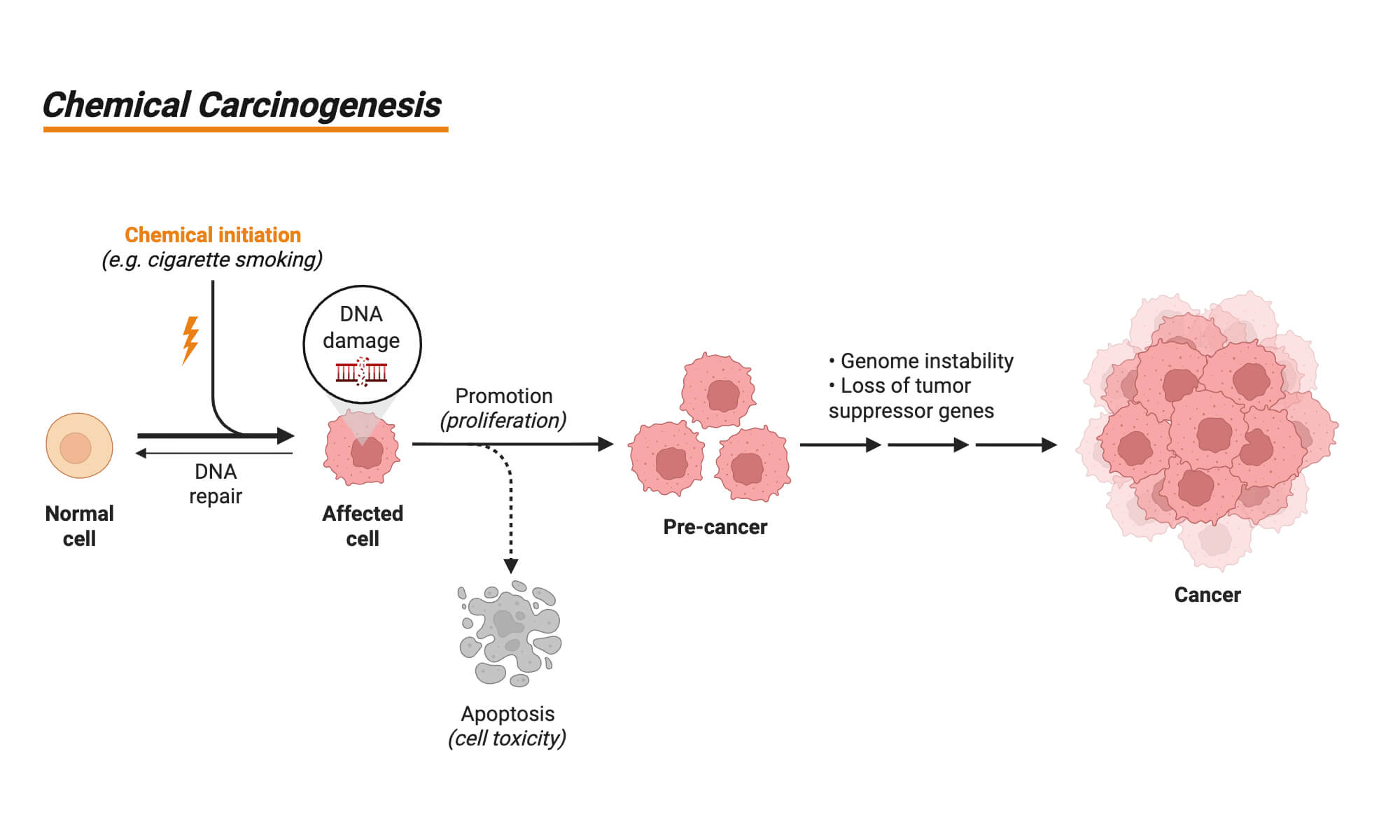
- Most carcinogens trigger mutations in the DNA, and when these mutations accumulate, the DNA repair mechanisms are unable to resolve the damage. This causes abnormal activity in the cellular function, eventually leading to cancer.
History of carcinogens
There have been several instances in the past that have caused countless deaths, mostly because of the commercial use of carcinogenic chemicals without prior knowledge. The carcinogenic properties of chemicals were discovered more than 200 years ago.
- Tobacco/Chimney Soot: In 1761, it was found that people who smoked/snuffed tobacco suffered an abnormally high incidence of skin (nasal) cancer. A more detailed examination revealed that the men who suffered were chimney sweepers in their youth. The chimney soot chemicals dissolved in the natural oils of the scrotum, irritating the skin and eventually triggering the development of cancer.
- Asbestos: The natural mineral, asbestos, is the second most lethal commercial product with organ-specific carcinogenic properties. In the late 1800s, the mineral was commercially discovered in asbestos rock. The crushing of large rocks yields fine fibers that can be used to exhibit insulating and fire-retarding properties, especially used for fireproof clothing and construction work. Asbestos, however, breaks down into fine dust containing numerous sharp, needle-like fibers, termed “needles of death”. These sharp needles, when inhaled, become lodged in the lungs, causing suffocation (asbestosis). This eventually develops into lung cancer, mesothelioma.
- Aniline purple: In the early 1900s, there was an elevated risk of skin cancer in the coal tar industry. William Perkin, a chemist, accidentally discovered synthetic dye (aniline) and was attempting to synthesize quinine from the compound for treating malaria. He extracted aniline from coal tar and oxidized it with potassium dichromate, resulting in a dark brown precipitate with strong dyeing properties. The chemical was 2-naphthylamine, which developed increasing rates of bladder cancer in workers.
- During the first half of the 20th century, the onset of cancer was positively correlated with workplace exposure to carcinogens. Most were identified by the 1970s. Later, in 1970, a regulatory group known as the Occupational Safety and Health Administration (OSHA) was established to protect the safety and health of workers.
Classification of Carcinogens
The International Agency for Research on Cancer (IARC) has categorized possible carcinogens into four groups based on probability, encompassing over 1,000 agents, including individual chemicals, physical agents, biological agents, complex mixtures, occupational exposures, and personal habits. They are as follows:
| Group | Classification |
| 1 | Carcinogenic to humans |
| 2A | Probably carcinogens to humans |
| 2B | Possibly carcinogenic to humans |
| 3 | Not classifiable as to their carcinogenicity to humans |
| 4 | Probably not carcinogenic to humans |
Sources of Carcinogens
A few of the relevant carcinogens, their major cancer, and sources are as follows:
| Chemical | Main Cancers in Humans | Source |
| Aflatoxins | Liver | Metabolites from Aspergillus flavus and Aspergillus parasiticus |
| Arsenic compounds | Skin, lung | Components of alloys, herbicides, fungicides, animal dips, and drinking water |
| Asbestos | Lungs, Gastrointestinal (GI) tract, mesothelioma | Construction tiles, roofing papers |
| Benzene | Leukemia | Light fuel oil, commodity solvent chemical |
| Coal tar | Skin, lung | Byproduct of the production of coke and coal gas from coal |
| Mustard gas | Lung | Bioweapon in World War I |
| Nitrosamines | Lung, bladder, pancreas, others | Cigarette smoke, nitrite-treated meat products |
| Ethylene oxide | Leukemia | Sterilant in hospital equipment, commodity chemical |
| Vinyl chloride | Liver, brain, lung, leukemia | Production of polyvinyl chloride |
| Cadmium | Lung | Pigment, battery |
| Chromium | Lung, nasal cavity | Metal plating, dye |
| 2-naphthylamine | Bladder | Dye |
Dose-Dependent Risks of Cancer
Chemicals that can cause cancer are present everywhere in the outside contaminated air emitted by cars and trucks, factories, and power plants. Because of this, there is a difficulty in assessing hazards from low-dose chemical exposure. Animal models are therefore exposed to the suspected carcinogen for the entirety of their lifetime to the maximum tolerated dose (MTD). MTD refers to the highest dose that can be administered without eliciting any signs of immediate life-threatening toxicity.
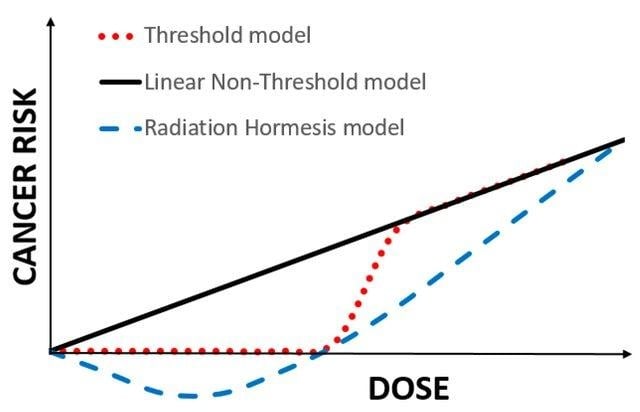
There are three types of threshold models in cancer dose-response assessment, which are significant in understanding the risk of cancer from exposure levels. They are as follows:
Linear No-threshold model
In this model, the relationship between dose and cancer risk is linear, meaning that as the dose increases, the risk increases proportionally. It assumes that any exposure to carcinogens can have a cancer risk with no safe threshold.
Threshold model
According to this model, the carcinogens pose no harm below a specific dose level (threshold). The body’s natural defense mechanisms, such as DNA repair and detoxification, are effective for low doses, preventing carcinogenesis. However, after the exposure exceeds the threshold limit, the carcinogen can detrimentally impact the body, causing cancer.
Hormesis Model
The hormesis model suggests that the low doses of chemicals may be beneficial or have positive effects in the body, however, higher doses of it can be harmful. This results in the dose-response curve being J-shaped or U-shaped. The model is controversial and is being explored with certain chemicals, nutrients, and low-dose radiation.
How Do Carcinogens Lead to Cancer?
Carcinogens can cause cancer in different ways because of their variations in structure and potency. Two of the most common methods are as follows:
Carcinogen activation
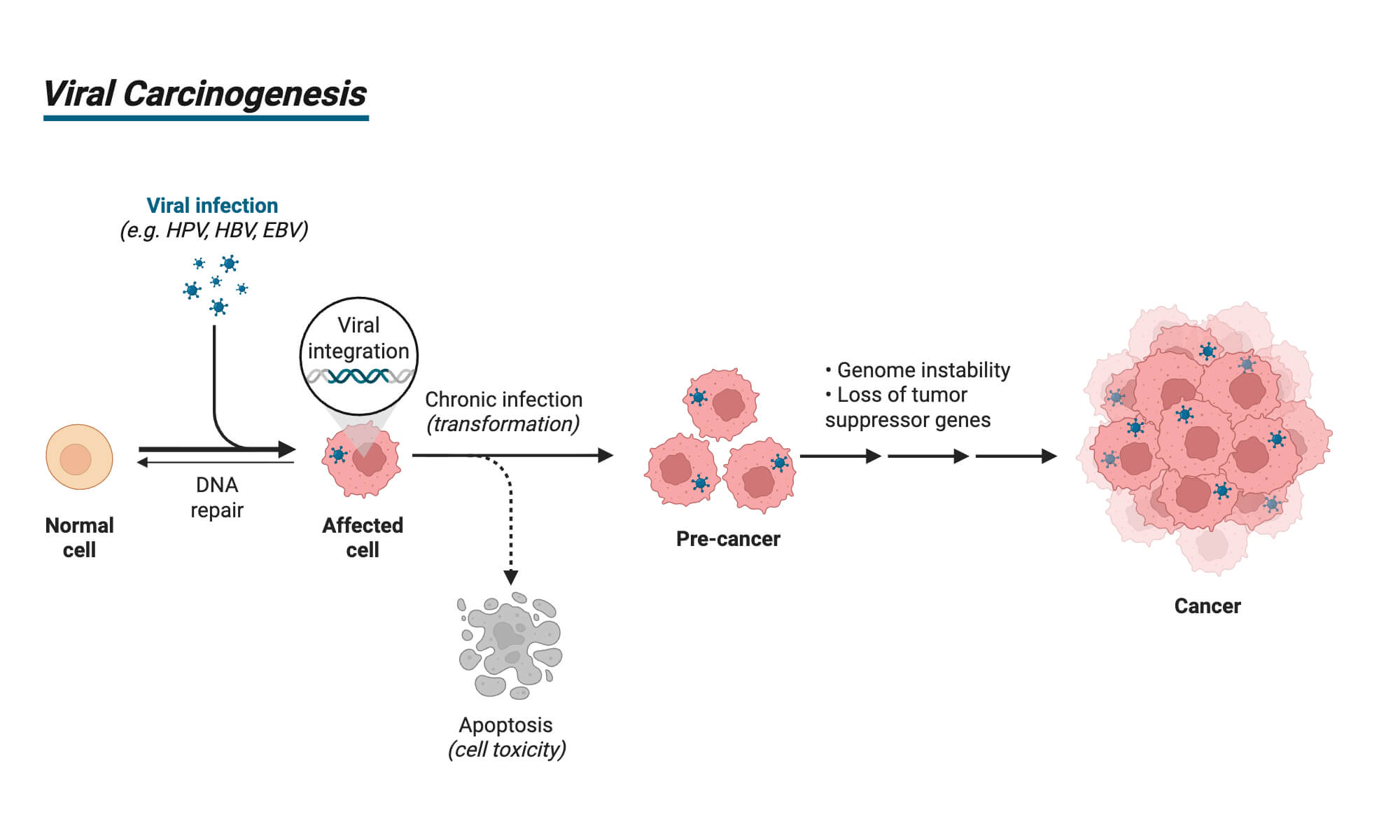
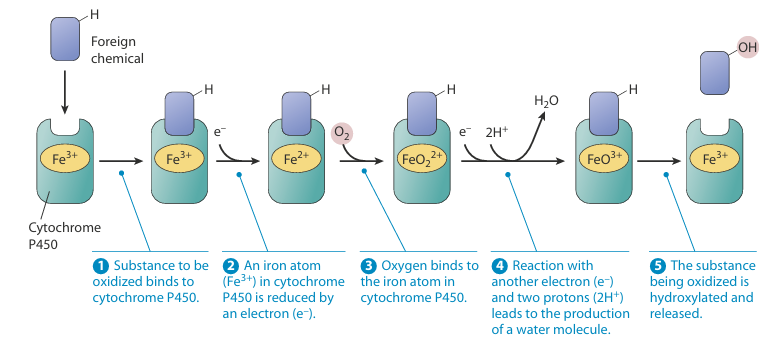
Most carcinogens need to be processed to develop cancer. Such chemicals are known as pre-carcinogens. To elaborate, 2-naphthylamine can cause bladder cancer in industrial workers. Feeding this chemical to laboratory animals induces a high incidence of bladder cancer. However, when 2-napthylamine is directly inserted into an animal’s bladder, the onset of cancer is rare. This is because the chemical is activated by the enzyme in the liver known as cytochrome P450. Cytochrome P450 oxidizes foreign chemicals, making them more water-soluble for excretion in the form of urine. But in certain cases, the oxidation reaction can convert substances into carcinogens, a phenomenon known as carcinogen activation.
DNA damage and mutation
When carcinogens are metabolized in the liver, they are converted into highly unstable compounds with electron-deficient atoms. These molecules are known as electrophiles because they react with substances rich in electrons. Biochemicals like DNA, RNA, and proteins have electron-rich atoms, and they become a prime target for carcinogens.
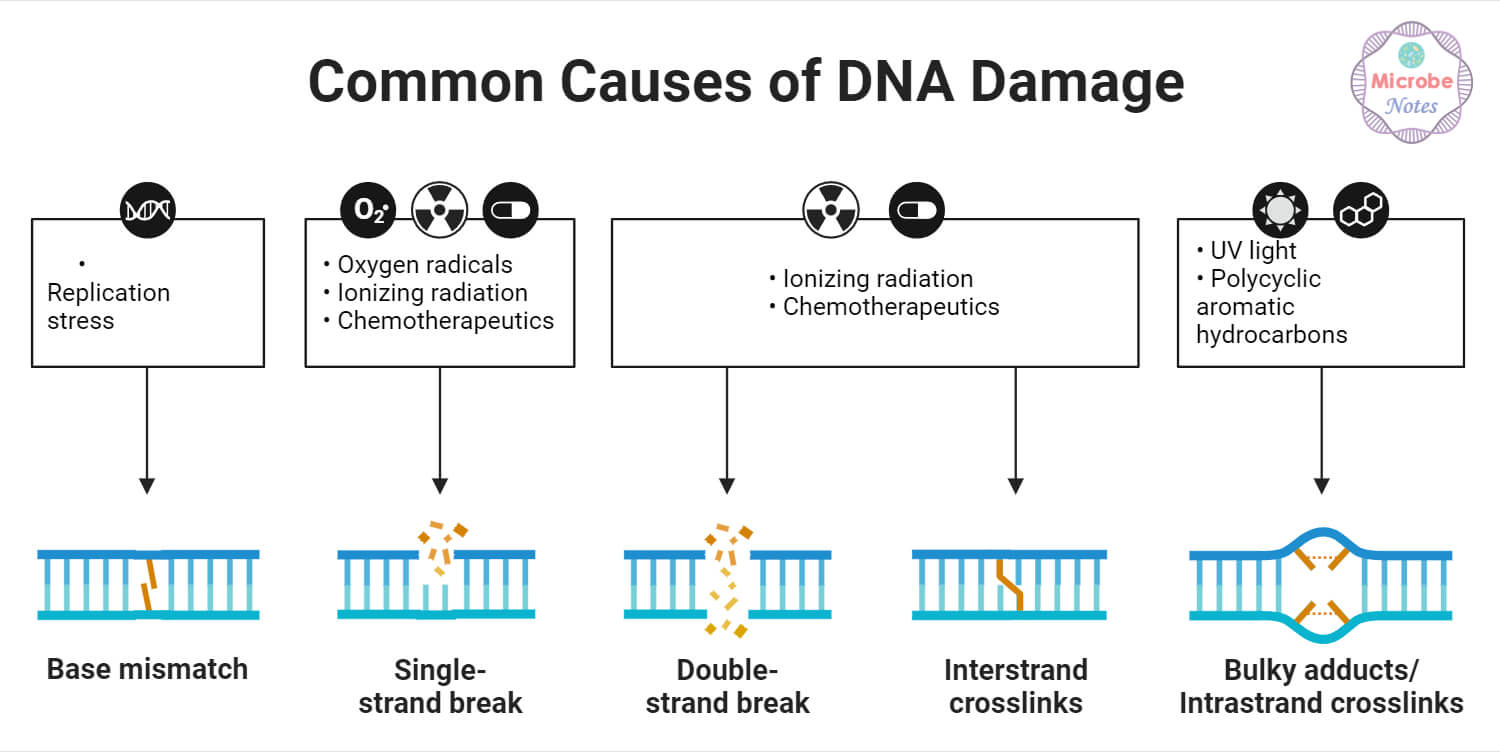
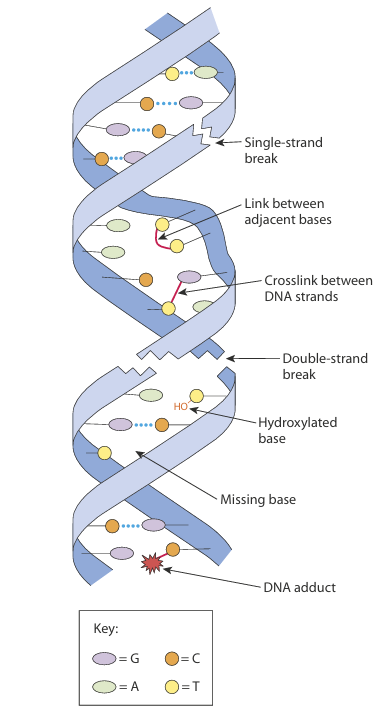
For example, benzo[a]pyrene is normally a non-reactive and non-mutagenic compound. After its catalyzation by cytochrome P450, it is converted to a derivative containing an epoxide group. The epoxide group covalently binds with guanine and forms a complex, known as a DNA adduct. The presence of such carcinogens disrupts the DNA strands, through ssDNA and dsDNA breaks, crosslinking between DNA strands, hydrolysis of nucleotides, deletion of bases, and others.
Detection of Carcinogens
In vivo and in vitro models
Many countries around the world employ experiments on animal subjects, such as mice, rabbits, etc., to determine the impacts of carcinogenic agents. These animals are chosen due to their shorter lifespans, well-understood genetics, and ease of maintenance, which allows observation of cancer development over a controlled period. Most countries require animal testing as a regulatory step before its commercial introduction to humans. Alternatively, in vitro models involve the exposure of cultured cells (human or animal) to suspected carcinogens. These models can be useful for studying cellular and molecular biology, including the effects of carcinogens. Although in vitro models offer reduced ethical concerns, lower costs, and high-throughput screening capabilities, they fail to mimic the physiological complexity of an entire living organism.
Epidemiological studies
The animal testing data should be complemented with epidemiological data to validate whether suspected chemical exposure is associated with an increased risk of cancer in humans. Epidemiological studies investigate patterns, causes, and effects of health and diseases in specific populations. These studies collect data on cancer patients and correlate with the exposure to harmful carcinogens from various sources such as occupational hazards, industrial products, pollution, and more.
Biomarkers for exposure and effect
Biomarkers such as DNA adducts can play a vital role in assessing the carcinogenic risk of chemical agents. DNA adducts are early indicators of genotoxic damage and can be used to assess the extent of exposure and mutagenesis.
Ames test
Another key method for identifying mutagenic and potentially carcinogenic substances is the Ames test. It is one of the most successful tests to identify carcinogens. It was developed by Bruce Ames in the 1970s to evaluate the potential carcinogenic effect of chemicals produced by Salmonella typhimurium. This bacterium cannot synthesize the amino acid histidine. When exposed to carcinogens or mutagenic chemicals, the bacteria regain their ability to produce histidine, allowing them to grow in a histidine-free medium. Therefore, the Ames test is used as a preliminary screening tool because of its cost, speed, and reliability to confirm carcinogenicity.
Conclusion
Carcinogens pose a significant health concern due to their widespread exposure from the environment, workplace, consumer products, and lifestyle practices. Understanding the mechanisms behind its action, sources, and effects is essential for cancer prevention and control. With the increasing improper lifestyle involving unhealthy foods, drinks, chemical exposures, and everyday appliances, the occurrence of cancer is becoming more common.
Therefore, it is crucial to strengthen public awareness, promote healthier habits, and enforce stricter regulations on carcinogenic substances. Additionally, continued research along with regulations can be vital to mitigate cancer in public health.
References
- Aryal, S. (2018, November 12). Ames Test—Introduction, Principle, Procedure, Uses and Interpretation. Microbiology Info.Com. https://microbiologyinfo.com/ames-test/
- Carcinogens, N. R. C. (US) C. on C. T. of N. O. (1996). Introduction. In Carcinogens and Anticarcinogens in the Human Diet: A Comparison of Naturally Occurring and Synthetic Substances. National Academies Press (US). https://www.ncbi.nlm.nih.gov/books/NBK232619/
- Carcinogens: Overview, types, and more. (2022, September 26). https://www.medicalnewstoday.com/articles/what-is-a-carcinogen
- Dhakal, A., Hashmi, M. F., & Sbar, E. (2025). Aflatoxin Toxicity. In StatPearls. StatPearls Publishing. http://www.ncbi.nlm.nih.gov/books/NBK557781/
- Human Carcinogens. (n.d.). The Cancer Atlas. Retrieved June 3, 2025, from http://canceratlas.cancer.org/JIs
- Kabilan, U., Graber, T., Alain, T., & Klokov, D. (2020). Ionizing Radiation and Translation Control: A Link to Radiation Hormesis? International Journal of Molecular Sciences, 21. https://doi.org/10.3390/ijms21186650
- Kleinsmith, L. J. (2006). Principles of Cancer Biology. Pearson Benjamin Cummings. https://books.google.com.np/books?id=LKVrAAAAMAAJ
- (PDF) Ionizing Radiation and Translation Control: A Link to Radiation Hormesis? (n.d.). Retrieved June 5, 2025, from https://www.researchgate.net/publication/344288706_Ionizing_Radiation_and_Translation_Control_A_Link_to_Radiation_Hormesis/figures?lo=1&utm_source=google&utm_medium=organic
