Skip to content
Microbe Notes

Microbe Notes

  • Home
  • Biological Sciences
    • Biochemistry
    • Bioinformatics
    • Biology
    • Biotechnology
    • Botany
    • Cell Biology
    • Genetics
    • Molecular Biology
    • Zoology
  • Microbiology
    • Agricultural Microbiology
    • Bacteriology
    • Basic Microbiology
    • Environmental Microbiology
    • Food Microbiology
    • Immunology
    • Mycology
    • Parasitology
    • Virology
  • Laboratory Methods
    • Biochemical Test
    • Culture Media
    • Instrumentation
    • Microscopy
    • Staining
  • Health and Medical
    • Diseases
    • Epidemiology
    • Human Anatomy and Physiology
    • Medical Devices
    • Pharmacology
  • Resources
    • Difference Between
    • Microbiology Terms
    • Microorganisms Note
    • Protocols
    • Research Methodology
    • Syllabus

Kritisha Guragain

Kritisha Guragain is a dedicated microbiologist with a strong academic foundation from St. Xavier’s College, Tribhuvan University, where she pursued a Bachelor's degree in Microbiology. Her research focuses on environmental microbiology, molecular biology, and microbial resistance. She has conducted significant studies on the isolation, identification, and characterization of heavy metal-resistant bacteria in Nepal, showcasing her commitment to ecological and public health challenges. Beyond her academic endeavors, Kritisha has actively contributed to scientific discourse through research publications and presentations, including studies on the anticancer properties of medicinal plants and the post-COVID-19 impact on the human immune system. She has presented at national and international conferences and received accolades such as the Fr. Charles A. Law, S.J., Memorial Award for excellence in social and environmental consciousness. Kritisha’s passion extends beyond the laboratory, she has served as a science educator, a content creator, and a volunteer in environmental and social initiatives. Her leadership roles in organizations like AIESEC and Initiation for Change NGO highlight her commitment to global sustainability and public awareness. With expertise in microbial culturing, molecular techniques (PCR, electrophoresis), and scientific writing, she continues to contribute to microbiology with a vision for environmental sustainability and innovative research.

Phagocytosis: Phagocytes, Steps, Mechanisms, Examples

April 18, 2026April 17, 2026 by Kritisha Guragain
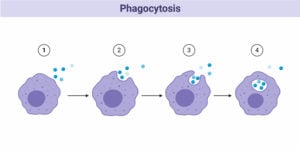
Phagocytosis

Phagocytosis is the process by which cells are used for the ingestion and degradation of particles larger than 0.5µm in diameter, such as microorganisms, foreign bodies, and apoptotic cells. This … Read more

Nucleosomes: Components, Structure, Functions

April 18, 2026April 16, 2026 by Kritisha Guragain
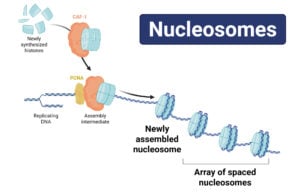
Nucleosomes

Nucleosomes are the basic repeating subunit of chromatin, composed of the nucleosome core, linker DNA, and linker histone proteins (Cutter & Hayes, 2015). Nucleosomes have a fundamental role in the … Read more

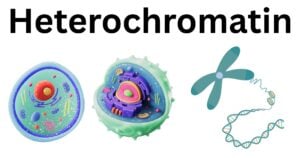
Heterochromatin: Types, Features, Formation, Functions

April 17, 2026April 15, 2026 by Kritisha Guragain
Heterochromatin

Heterochromatin is a densely packed form of chromatin that remains transcriptionally inactive and typically encompasses large genomic regions beyond individual genes or regulatory elements. The term “heterochromatin” was introduced by … Read more

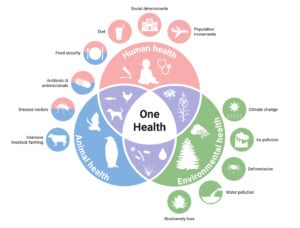
One Health: Interdependence Between Human, Animal, and Environmental Health

April 17, 2026April 14, 2026 by Kritisha Guragain
One Health- Interdependence Between Human, Animal & Environmental Health

One Health is an approach to studying infectious diseases that acknowledges the strong interconnections between humans, animals, plants, and the environment (Pitt and Gunn, 2024). This approach is essential for … Read more

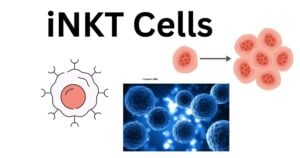
iNKT Cells: Development, Maturation, Activation, Roles

April 17, 2026April 13, 2026 by Kritisha Guragain
iNKT cells

Invariant Natural Killer T (iNKT) cells are a unique subset of lymphocytes that share characteristics of both natural killer cells and αβ T cells. They are characterized by a semi-invariant … Read more

Telomeres and Telomerase: Structure and Functions

April 1, 2025March 30, 2025 by Kritisha Guragain
Telomeres and Telomerase

Telomeres are the structure of nucleoproteins that are present at the end of chromosomes in eukaryotes (Rhodes & Giraldo, 1995). These telomeres are similar to the cap that preserves the … Read more

Topics / Categories

  • Agricultural Microbiology (30)
  • Bacteriology (134)
  • Basic Microbiology (63)
  • Biochemical Test (114)
  • Biochemistry (211)
  • Bioinformatics (26)
  • Biology (142)
  • Biotechnology (43)
  • Botany (112)
  • Cell Biology (108)
  • Culture Media (68)
  • Difference Between (89)
  • Diseases (53)
  • Environmental Microbiology (15)
  • Epidemiology (29)
  • Food Microbiology (52)
  • Genetics (82)
  • Human Anatomy and Physiology (75)
  • Immunology (118)
  • Instrumentation (72)
  • Medical Devices (5)
  • Microscopy (31)
  • Molecular Biology (118)
  • Mycology (43)
  • Parasitology (28)
  • Pharmacology (25)
  • Protocols (9)
  • Research Methodology (20)
  • Staining (30)
  • Syllabus (20)
  • Virology (62)
  • Zoology (39)
  • Indirect ELISA: Principle, Steps, Protocol, Applications
  • Blood: Components, Formation, Functions, Circulation
  • Phagocytosis: Phagocytes, Steps, Mechanisms, Examples
  • Nucleosomes: Components, Structure, Functions
  • Heterochromatin: Types, Features, Formation, Functions
  • Our Team
  • Advisory Board
  • About Us
  • Contact Us
  • Editorial Policy
  • Privacy Policy
  • Cookie Policy
  • Disclaimer (Terms and Conditions)
© 2026 Microbe Notes. Made with ♡ by Sagar Aryal.