
At an introductory level, biotechnology is simply the use of cells and biomolecules to improve human lives. It involves identifying a useful biological capability (such as an enzyme or metabolic pathway) and enhancing it for human use.
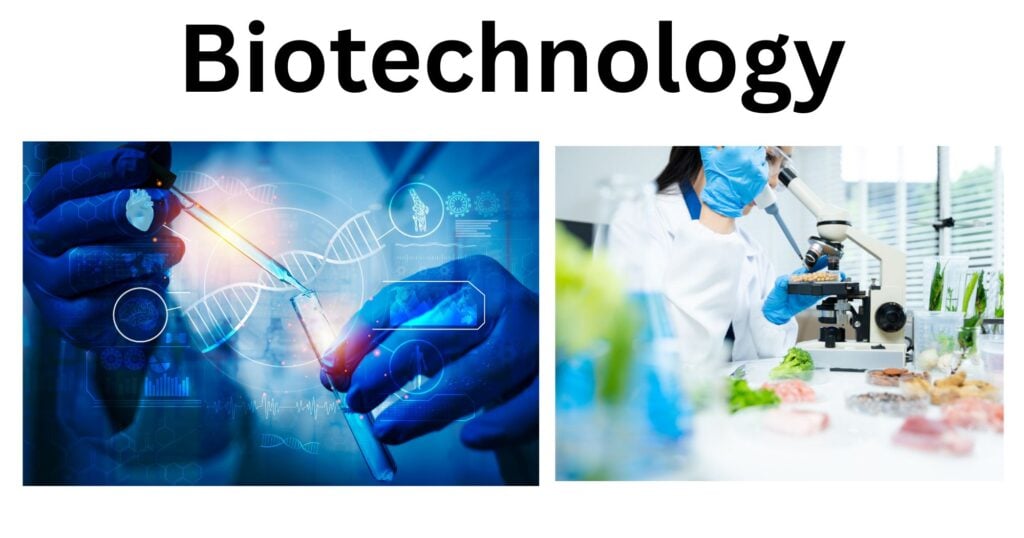
Biotechnology is built upon the fundamentals of biology, such as DNA, genes, cellular function, and is oriented towards practical goals using these biological functions, such as healthcare products, chemical production, etc. Biotechnology is sometimes color-coded by sector as well: for instance, red biotechnology referring to the medical/health sector, green for agriculture, white for industrial biotech, and blue for environmental or marine applications.
From an advanced perspective, biotechnology is the convergence of biology and engineering to manipulate cells, biomolecules (DNA, proteins), and organisms to create new functions or products. It integrates genetic engineering (inserting genes into organisms), cell/tissue culture, bioprocess optimization, and bioinformatics. It can also be regarded as an ecosystem of technologies, involving modern tools and techniques such as PCR, DNA sequencing, fermentation technology, gene editing, and bioinformatics.
History and Development of Biotechnology
Humans have used biotechnology for thousands of years through domestication and fermentation. People breeding crops and livestock dated back to 10,000 years, and fermentation processes to make bread, cheese, beer, etc., using microbes around 6,000 years ago. However, rapid development in biotechnology was witnessed only in the late 20th century.
- In 1917, a Hungarian engineer, Karl Ereky, first used the term “biotechnology” to describe the process for the large-scale production of pigs using sugar beets as a feedstock.
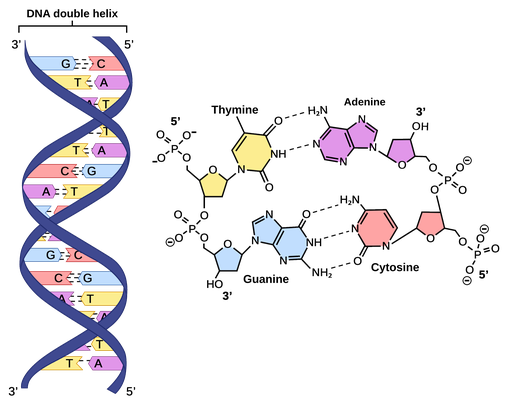
- In the 1950s, the discovery of the double-helix structure of DNA enabled advances in molecular tools (PCR, DNA sequencing), laying the foundation for modern biotechnology.
- In 1973, Stanley Cohen and Herbert Boyer first demonstrated recombinant DNA technology by inserting DNA from an organism into a plasmid vector. Soon after, Genentech was founded to apply recombinant DNA tech to medicine, which led to the production of the first human insulin (Humulin, made by recombinant E. coli) in 1978.
- In 1982, the FDA approved Humulin, making it the first biotechnology drug on the market. During the 1980s, recombinant proteins and drugs, such as interferons and growth hormones, were developed along with the introduction of agricultural biotechnology (GMO plants in field trials, engineered bacteria for pest control).
- In 1990, the first human gene therapy was noted, which further demonstrated the potential of gene therapy.
- In 1996, Dolly the sheep became famous as the first cloned mammal from an adult cell, demonstrating that even complex organisms could be genetically modified. This created a huge debate around the ethics of cloning.
- In 2002, the first synthetic genome of Poliovirus was created in vitro by Edward Wimmer.
- 2003 featured the completion of the Human Genome Project, deciphering the reference human DNA sequence and revolutionizing the era of genomics-based biotechnology.
- In 2010, a team led by J. Craig Venter built a bacterial cell with a fully synthetic 1 million-bp genome.
- CRISPR-Cas9-based genome editing then followed, causing a Nobel Prize-winning breakthrough. Later, the COVID and post-COVID era have marked significant advances in mRNA vaccines and advanced computational tools.
- Currently, the integration of artificial intelligence applications, such as drug discovery, functional genomics, proteomics, and metabolomics, is widespread.
Principles and Techniques Used in Biotechnology
Biotechnology is not a single discipline; it is rooted in the fundamental principles of microbiology, biochemistry, genetics, immunology, molecular and cell biology, human/animal/plant physiology, and chemical engineering. The core idea of biotechnology, at the most basic level, is the manipulation of DNA and proteins.
Based upon these fundamentals, basic laboratory techniques involve isolation of DNA/RNA, amplification of target genes by PCR, inserting genes into plasmids or viral vectors, and transformation into host cells. More advanced and key techniques, such as genetic engineering (recombinant DNA technology; RDT), genome editing (CRISPR-based), fermentation processes, cell and tissue culture, high-throughput sequencing, and bioinformatics, are also involved.
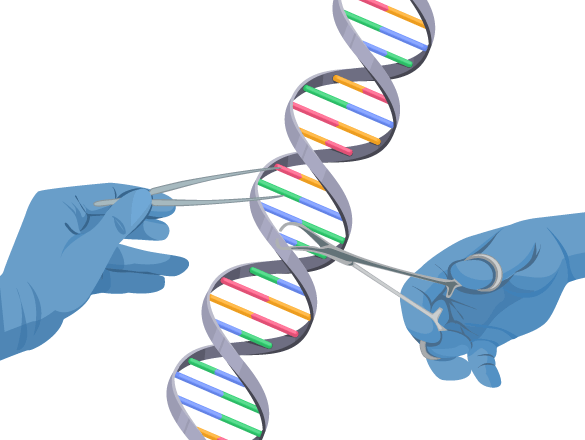
rDNA technology: Using nucleases to cut and rejoin DNA, introduce them to vectors, and host cells for amplifying target genes or producing recombinant proteins.
Gene editing: Using specialized RNAs and nucleases to add, remove, or make changes to nucleic acid sequences, for example, CRISPR-Cas9-based gene editing
PCR and sequencing: PCR involves using specially designed primers to amplify a specific DNA fragment for cloning or diagnostics. Sequencing determines the exact order of nucleotides in a target DNA molecule, using methods from Sanger sequencing to Next-generation sequencing.
Fermentation and bioprocessing: Growing microorganisms under controlled conditions to produce microbial metabolites, such as food & beverage (beer, yoghurt), antibiotics, enzymes, vaccines, biofuel, etc.
Bioinformatics: Computational organization and analysis of biological data (DNA/RNA sequences, mRNA, proteins); plays a key role in genomics, proteomics, metabolomics, and structural biology
Source: https://www.ck12.org/biology/biotechnology/lesson/Biotechnology-BIO/
Types of Biotechnology (Medical, Agricultural, Industrial, and Environmental)
Biotechnology is basically categorized by its application sector:
Medical Biotechnology (Red Biotech)
Medical biotechnology primarily aims to improve human health. It involves the production of pharmaceutical products, drugs, vaccines, and diagnostic and therapeutic methods, for instance, recombinant proteins (insulin, growth hormones), monoclonal antibodies for cancer/autoimmune diseases, and gene therapies (CAR-T- and CRISPR-based). It also includes cell culture techniques to produce monoclonal antibodies and molecular diagnostics (PCR, sequencing) to detect disease markers.
Agricultural Biotechnology (Green Biotech)
Agricultural biotechnology focuses on crops and livestock for food productivity and sustainability, with the emphasis on the best yield and minimal effect on the environment. This involves using modern tools (CRISPR) and genetic engineering of plants for improved traits (tolerance against abiotic and biotic factors) and animals (faster growth, resistance against diseases). For example, BT cotton, BT corn, biofertilizers, and using microbes as biopesticides, etc.
Industrial Biotechnology (White Biotech)
Industrial biotechnology involves using cells, enzymes, or microorganisms as biocatalysts in an industrial process. Fermentation for alcohol is one of the traditional examples. Modern examples include developing biofuels (ethanol), biodegradable plastics, and pharmaceuticals (large-scale production of vaccines). Its focus is on replacing petroleum-based chemicals with bio-based ones to reduce energy use and waste products.
Environmental Biotechnology (Brown or Blue Biotech)
Environmental biotechnology deals with the maintenance of the environment (land, air, and water) by using biological systems, such as plants, animals, bacteria, or fungi, to create a pollution-free, contamination-free, and toxicity-free environment. Phytoremediation, microbial bioremediation, transformation of waste materials into valuable resources, and biosensors development for ensuring the protection of the environment are the major practices involved in environmental biotechnology.
Applications of Biotechnology in Medicine, Agriculture, and Industry
Medicine
- Genetically modified E. coli to produce recombinant human insulin (Humulin) is used in Type I and Type-II diabetes therapy.
- Approved gene therapies are continuously being used to treat genetic disorders and defects, such as Sickle cell anemia, Spinal muscular atrophy, Ada deficiency, and hemophilia.
- Drugs and recombinant proteins such as interferons, cytokines, and antibodies are used to treat autoimmune diseases and cancers.
- Nanoparticles conjugated with mRNA encoding viral antigen are applicable in producing vaccines, for example, mRNA vaccines during the COVID-19 pandemic.
Agriculture
- Genetically modified BT Crops express toxins to kill insects, significantly reducing the use of traditional insecticides and pesticides.
- Improved microorganisms, such as Trichoderma, Rhizobium, Azotobacter, Pseudomonas, etc., act as biofertilizers and biopesticides to improve organic decomposition, and hence sustainable farming.
- Plant tissue culture, a technique for producing significant disease-free plants, is applicable in the mass propagation of vegetables and fruits, ornamental plants, and the production of pharmaceuticals.
- Biotechnology is also applied in animal husbandry to produce disease-resistant animals, using techniques of genetic engineering and in-vitro fertilization.
Industry
- Microbes are used to utilize organic substrates and convert them into renewable sources, such as bioethanol and biodiesel, further reducing reliance on petroleum-based products.
- Engineered enzymes are highly applicable in the textile, detergents, and paper-manufacturing industries.
- Fermentation and bioprocess optimization techniques are employed to produce fermented high-demand foods such as cheese, yoghurt, beer, etc.
- Microbial bioproducts are mass-manufactured for degrading pollutants, such as oil spillage, sewage treatment
Advantages of Biotechnology
- Precision: Biotechnology allows stringent control and precise modification of the biological systems at the genetic and molecular levels compared to conventional biological methods. For example, gene editing by the CRISPR-Cas9 system.
- Productivity: Biotechnology and biotechnological processes optimize cellular functions and metabolic pathways, allowing biological systems to produce higher yields of desired biomolecules. For example, higher target protein yield by recombinant E. coli than natural ones.
- Environmentally friendly: As many biotechnological processes rely on renewable and green biological sources, it reduces energy consumption, waste generation, and pollution. Similarly, organisms like Pseudomonas putida degrade toxic compounds and help reduce environmental pollution.
- Improved understanding of biological systems: Biotechnology and its relevant tools allow scientists and researchers to study cellular and microbial processes in detail, which helps advance scientific knowledge and technologies.
Limitations of Biotechnology
- Funding: Biotechnological research and innovations require very high research and development costs for laboratory equipment, special facilities, clinical trials and regulatory approvals.
- Technical complexity: Higher biological organisms, such as plants and humans, are more complex than microorganisms, and could lead to unintended genetic modifications, such as off-target effects.
- Environmental risks: The release of genetically modified organisms into the environment may affect larger ecosystems or biodiversity.
- Regulatory landscape: Products undergo rigorous regulatory and evaluation procedures regarding product safety and safety for humans and the environment. This can slow down the development and application of newer products or technologies.
Ethical, Legal, and Social Issues in Biotechnology
- Ethical concerns in genetic modification: Biotechnology allows the alteration of the genetic makeup of lower as well as higher organisms: microbes, plants, and humans. It raises questions about the extent to which humans should be allowed to manipulate biological systems. For example, the use of CRISPR-Cas9 for editing human embryos has sparked ethical debates.
- Privacy: Advancements in biotechnology have made it possible to collect and store a large amount of public genetic information as a result of genetic testing services. It raises questions about how this information is stored, shared, and protected.
- IP and patent rights: Discoveries in biotechnology are often subject to patents and intellectual property rights, which create issues about ownership of biological materials.
- Environmental concerns: GMOs introduced into natural ecosystems and habitats may lead to unwanted ecological effects, leading to debates about biodiversity protection and environmental management.
- Cultural and Religious perspectives: Gene manipulation, cloning, or stem cell research may conflict with some cultural or religious beliefs in some societies. These perspectives affect decisions in policymaking. For example, research on embryonic stem cells involves early-stage human embryos, creating ethical debates.
- Access: Newer innovations, particularly advanced therapies and technologies such as personalized medicine, may not be equally accessible to the general population due to high costs and limited infrastructures, creating a massive void and disparity.
Future Trends and Emerging Areas in Biotechnology
- AI and ML in Drug Discovery: Various bioinformatics, artificial intelligence (AI), and machine-learning (ML) tools and algorithms are used to predict the efficacy of natural and synthetic compounds to identify them as potential drug candidates.
- AI in structural biology: Rapid and accurate predictions of protein 3D structure, their molecular dynamics, and interactions are currently revolutionizing structural biology. Tools such as AlphaFold3 can generate high-quality and accurate DNA, RNA, ligands, ions, and protein structures.
- Synthetic biology: It combines biotechnology, engineering, and computer science to design or construct new biological systems, or redesign existing biological systems for useful purposes. Tools such as base and prime editing are being used beyond CRISPR-Cas systems for curing genetic diseases.
- Personalized medicine: Modifying treatments according to an individual’s genetic structure, lifestyle, and environment for higher effectiveness of drugs and therapeutics.
- Bioprinting: Creation of 3D functional tissue structure by utilizing living cells, for the application of generated tissues in regenerative medicine, and organ replacement. For example, creating skin grafts, blood vessels, or bone tissue for organ or tissue transplantation.
Conclusion
Although old-school biotechnology focused on fermentation techniques, modern molecular methods have led biotechnology to stand at the intersection of biology, engineering, and computational techniques.
Biotechnology requires an understanding of molecular biology, genetics, chemistry, and engineering to further utilize the potential of living organisms for human benefit. This field consists of a wide range of techniques that are continuously contributing to the advancements in research, medicine, agriculture, and industry.
However, certain limitations and challenges are presented. In the future, emerging technologies will further drive progress in this field, yet their ethical, legal, and social factors play a big role in their development and application.
References
- Gupta, V., Sengupta, M., Prakash, J., & Tripathy, B. C. (2016). An Introduction to Biotechnology. Basic and Applied Aspects of Biotechnology, 1–21. https://doi.org/10.1007/978-981-10-0875-7_1
- Smith, J. E. (2009). Biotechnology (5th ed.). Cambridge University Press. ISBN: 9780521884945
- https://www.britannica.com/technology/biotechnology
- https://www.biospace.com/first-recombinant-insulin-marks-36th-year-of-dna-technology
- https://www.nms.ac.uk/discover-catalogue/the-story-of-dolly-the-sheep
- https://www.genome.gov/human-genome-project
- Chemical synthesis of poliovirus cDNA: Generation of infectious virus in the absence of natural template. Nature (2002). https://doi.org/10.1038/news020708-17
- https://www.jcvi.org/research/first-self-replicating-synthetic-bacterial-cell
- Bhushan, A., Misra, P. Unlocking the potential: multimodal AI in biotechnology and digital medicine—economic impact and ethical challenges. npj Digit. Med. 8, 619 (2025). https://doi.org/10.1038/s41746-025-01992-6
- https://www.genome.gov/about-genomics/fact-sheets/DNA-Sequencing-Fact-Sheet
- Committee on Industrialization of Biology: A Roadmap to Accelerate the Advanced Manufacturing of Chemicals; Board on Chemical Sciences and Technology; Board on Life Sciences; Division on Earth and Life Studies; National Research Council. Industrialization of Biology: A Roadmap to Accelerate the Advanced Manufacturing of Chemicals. Washington (DC): National Academies Press (US); 2015 Jun 29. 2, Industrial Biotechnology: Past and Present. Available from: https://www.ncbi.nlm.nih.gov/books/NBK305455/
- https://www.tecnic.eu/the-10-types-of-biotechnology-and-their-applications/
- Arvind Kumar., et al. “Applications of Biotechnology in Food and Agriculture: An Analysis Review”. Acta Scientific Agriculture 8.4 (2024): 31-34.
- https://www.scribd.com/document/868601530/Advantages-and-Disadvantages-of-Biotechnology
- O’Mathúna D. P. (2007). Bioethics and biotechnology. Cytotechnology, 53(1-3), 113–119. https://doi.org/10.1007/s10616-007-9053-8
- https://www.azolifesciences.com/article/Top-5-Emerging-Trends-in-Life-Science-and-Biotech-for-2025.aspx
- Mihaylova, A., Shopova, D., Parahuleva, N., Yaneva, A., & Bakova, D. (2024). (3D) Bioprinting-Next Dimension of the Pharmaceutical Sector. Pharmaceuticals (Basel, Switzerland), 17(6), 797. https://doi.org/10.3390/ph17060797

Thank you Sir for the information about Biotechnology. It has been a worthwhile learning engagement on my part. God bless you more.