Arteries vs. Veins: 27 Major Differences
Arteries and veins are two of the body’s main type of blood vessels through which blood flow in the body. The arteries carry oxygenated blood away from the heart while the veins carry … Read more
Differences between Exotoxins and Endotoxins Toxins are small molecules, peptides, or proteins produced by living cells that are capable of causing diseases or structural damage when they come in contact or … Read more
Description of the Course Course Title: General Microbiology Course No: MB 101 (Major) Nature of the Course: Theory Full Marks: 100 Pass Marks: 35 Year: I Total Lecture Hours: 150 … Read more
CBSE Class 12 Biology (Code No. 044) Course Structure Unit Title Marks VI Reproduction 16 VII Genetics and Evolution 20 VIII Biology and Human Welfare 12 IX Biotechnology and its … Read more
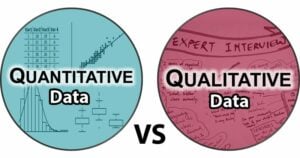
Quantitative and Qualitative Data Definition Qualitative data is data concerned with descriptions, which can be observed but cannot be computed. On the contrary, quantitative data is the one that focuses on numbers … Read more
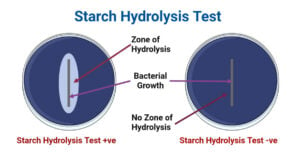
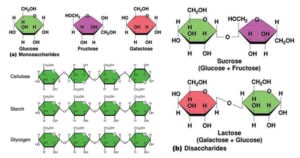
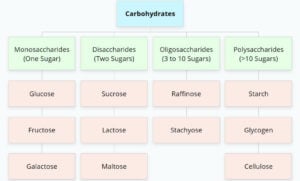
Starch is the reserved food material of most plants and is one of the abundant carbohydrates in nature. Starch is a polysaccharide made of two glucose polymers –amylose and amylopectin. … Read more
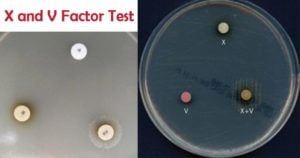
Haemophilus spp. is a genus of Gram-negative, aerobic or facultatively anaerobic, pleomorphic (mostly coccobacilli), Gammaproteobacteria of the phylum Pseudomonadota and family Pasteurellaceae. Several species of the genus Haemophilus are pathogenic … Read more
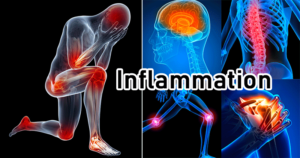
(a) Margination: With the decrease in blood flow rate, leucocytes flow nearer to the vessel wall. (b) Rolling on endothelium: They roll along the surface of the endothelium and line-up … Read more
Monosaccharides – Structure, Properties, and Examples Disaccharides – Structure, Properties, and Examples Polysaccharides – Structure, Properties, and Examples References
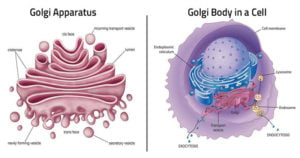
Figure: Diagram of the Golgi Apparatus Structure of Golgi Apparatus A. Cisternae B. Tubules C. Vesicles The vesicles (60 nm in diameter) are of three types: (i) Transitional vesicles are … Read more