
The human respiratory system is a complex biological system comprising organs that play a significant role in supplying oxygen to the body’s tissues and expelling carbon dioxide.
Every human cell consumes oxygen and generates energy to perform cellular metabolism. This activity produces carbon dioxide (CO2) as a by-product in the blood. Carbon dioxide, when it remains in the blood, becomes a poisonous gas for humans.
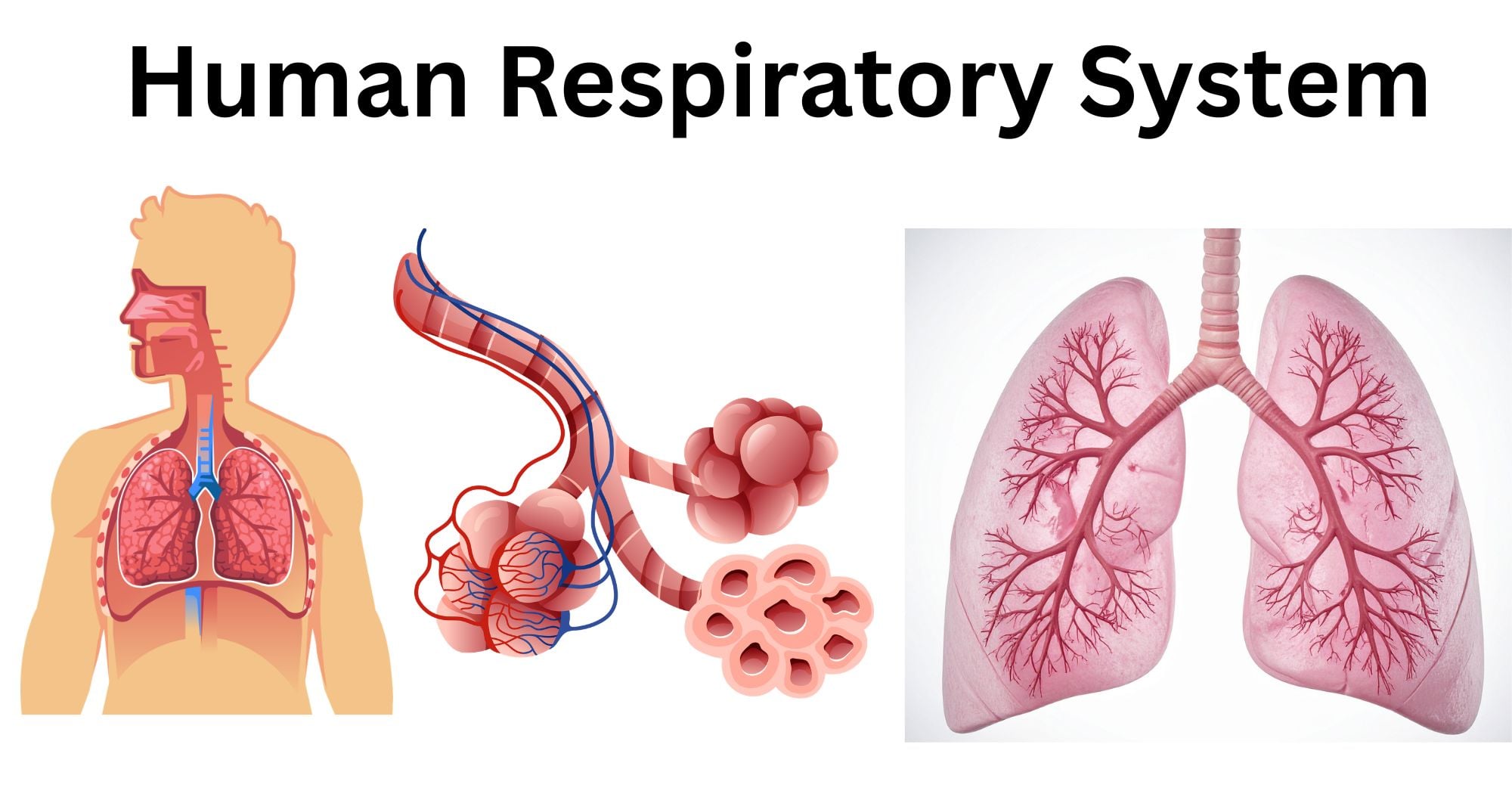
Therefore, it should be excreted from the human body. The process of exchanging gases (intake of O2 and removal of CO2) between the body and the external atmosphere for the production of energy in the form of ATP is called respiration.
Structure and Organs of the Human Respiratory System
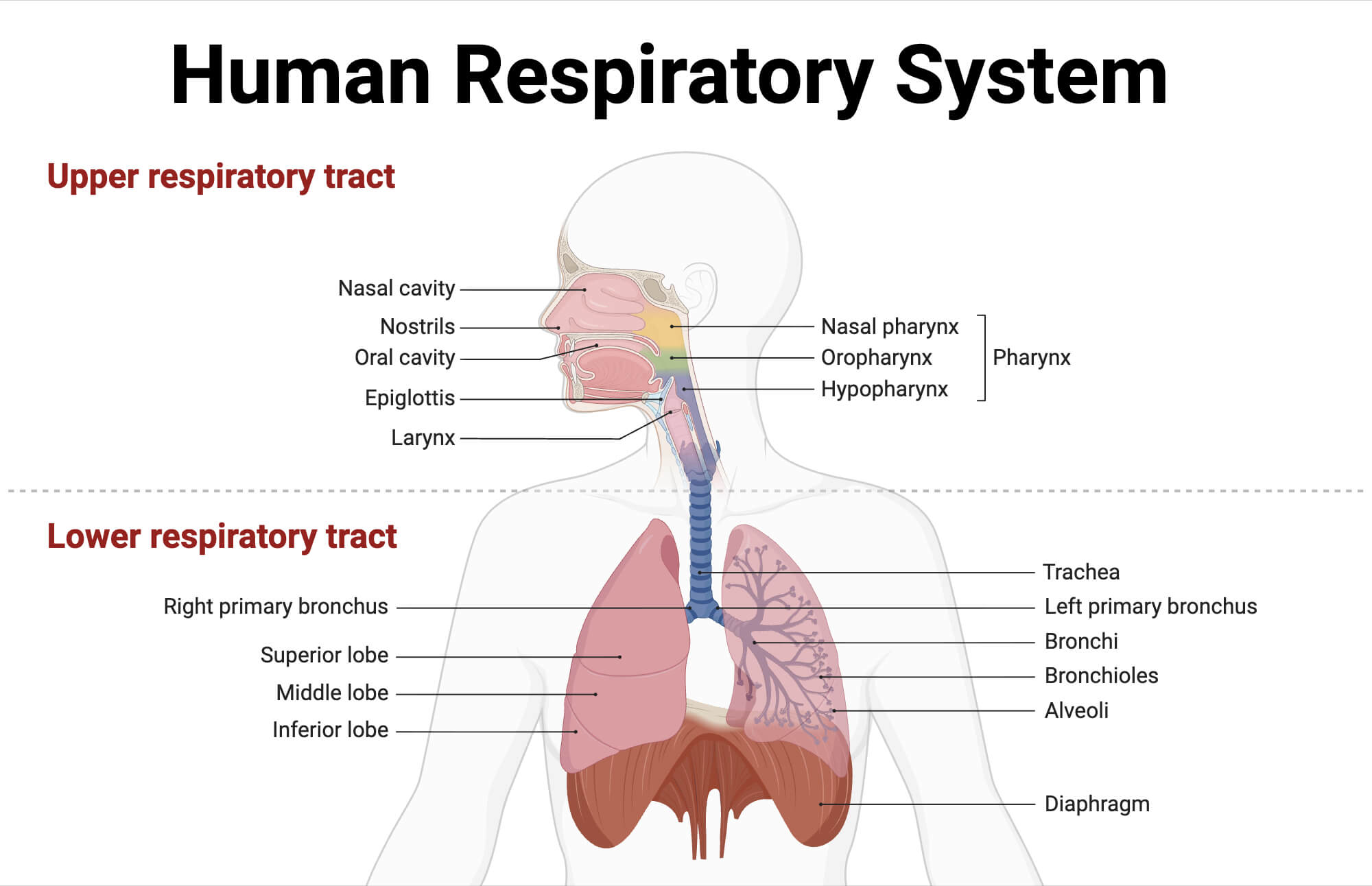
In the human body, the major structure of the respiratory system comprises the respiratory tract, which is divided into 2 parts:
Upper Respiratory Tract (URT)
URT refers to the air pathway lying above the vocal folds. It includes the following organs:
Nose/Nostrils
The nose consists of a pair of external openings known as nostrils through which air enters the nasal cavity.
Nasal Cavity
It is partitioned into right and left chambers by a septum. Each nasal chamber is further divided into 3 parts:
Vestibule: The proximal hairy part that filters out the dust and suspended particles trapped in inhaled air.
Respiratory Region (Conditioner): The thin-walled, middle part that keeps the inhaled air warm and moistened.
Olfactory chamber: The uppermost chamber responsible for the detection of smell.
Pharynx
The pharynx is the hollow tube extending from the nasal cavity to the trachea and oesophagus. It is divisible into 3 parts: nasopharynx, oropharynx, and laryngopharynx.
Nasopharynx: Region behind the nasal cavity that contains the tonsil.
Oropharynx: Common passageway for both food and air, situated right behind the nasopharynx.
Laryngopharynx/Hypopharynx: Connects the pharynx to the larynx and oesophagus.
Lower Respiratory Tract
It includes the following structures:
Larynx
- The larynx is the hollow, tube-like structure made up of cartilage, extending from the URT to the LRT. It comprises significant parts like the epiglottis and the vocal cords.
- The epiglottis is the leaf-like flap of cartilage present at the opening to the larynx. It blocks the entry of food into the tracheal region and protects the airway.
- The vocal cord plays a significant role in sound production. When air passes through these cords, it causes a vibration that generates sound. Therefore, the larynx is also widely known as the voice box.
Trachea
- The trachea (windpipe) is a 10-12cm long tubular structure that extends from the lower part of the cricoid cartilage in the larynx to the bronchi. It consists of ciliated, epithelial tissues and mucus glands that trap the unwanted dust particles and filter the air.
Bronchi and Bronchioles
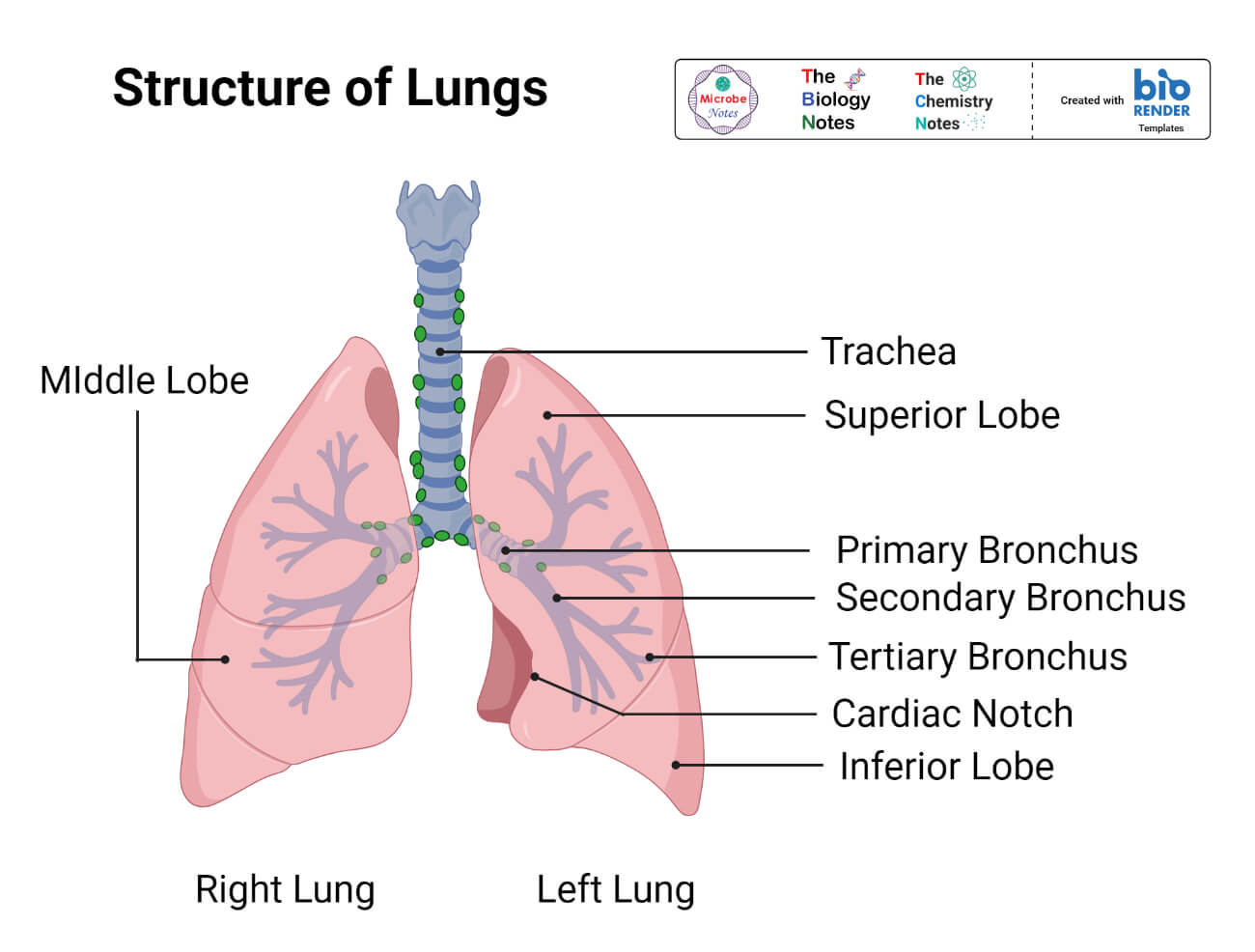
- The trachea divides into two primary bronchi (right and left). These bronchi are also the tubular structures comprised of incomplete ‘C-shaped’ cartilaginous rings.
- These bronchi again partition into smaller branches leading to the formation of secondary and tertiary bronchi, which further continue to branch and form terminal and respiratory bronchioles ending in the alveoli.
Lungs
- Humans have 1 pair of elastic lungs (right lung and left lung) situated on either side of the heart in the thoracic cavity. They are enclosed within a double-layered pleural membrane and are protected by the pleural fluid present in the pleural cavity.
- The right lung is larger and contains 3 lobes (superior, middle, and inferior) separated by horizontal and oblique fissures, while the left lung is comparatively smaller and consists of only 2 lobes(superior and inferior lobes), which are separated by an oblique fissure.
- These lungs are the primary organs in the respiratory system, which receive oxygen from air, transport it to the bloodstream, and expel carbon dioxide from the body.
- The functional unit of the lungs responsible for the exchange of these gases is called the alveoli.
Alveoli
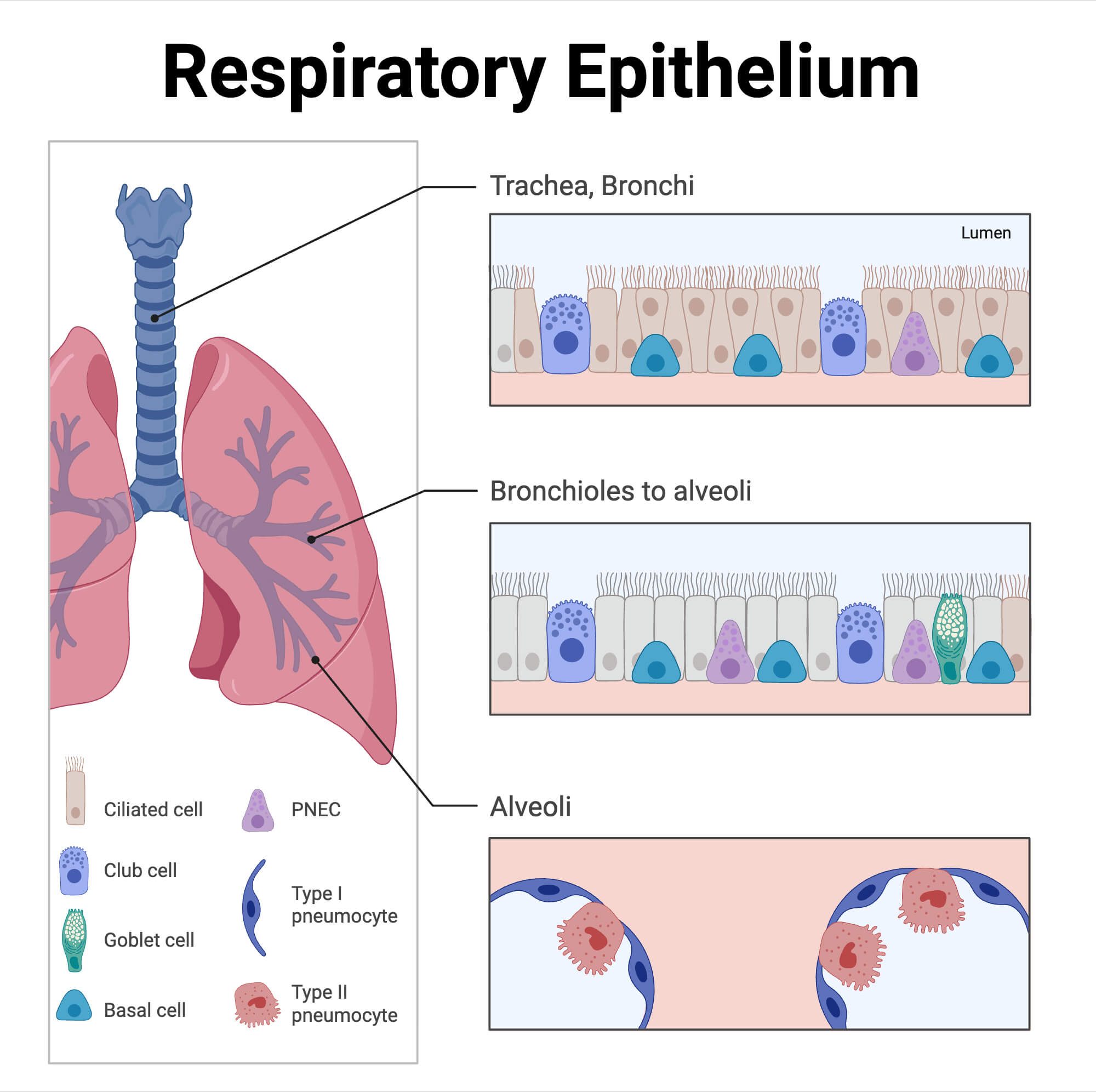
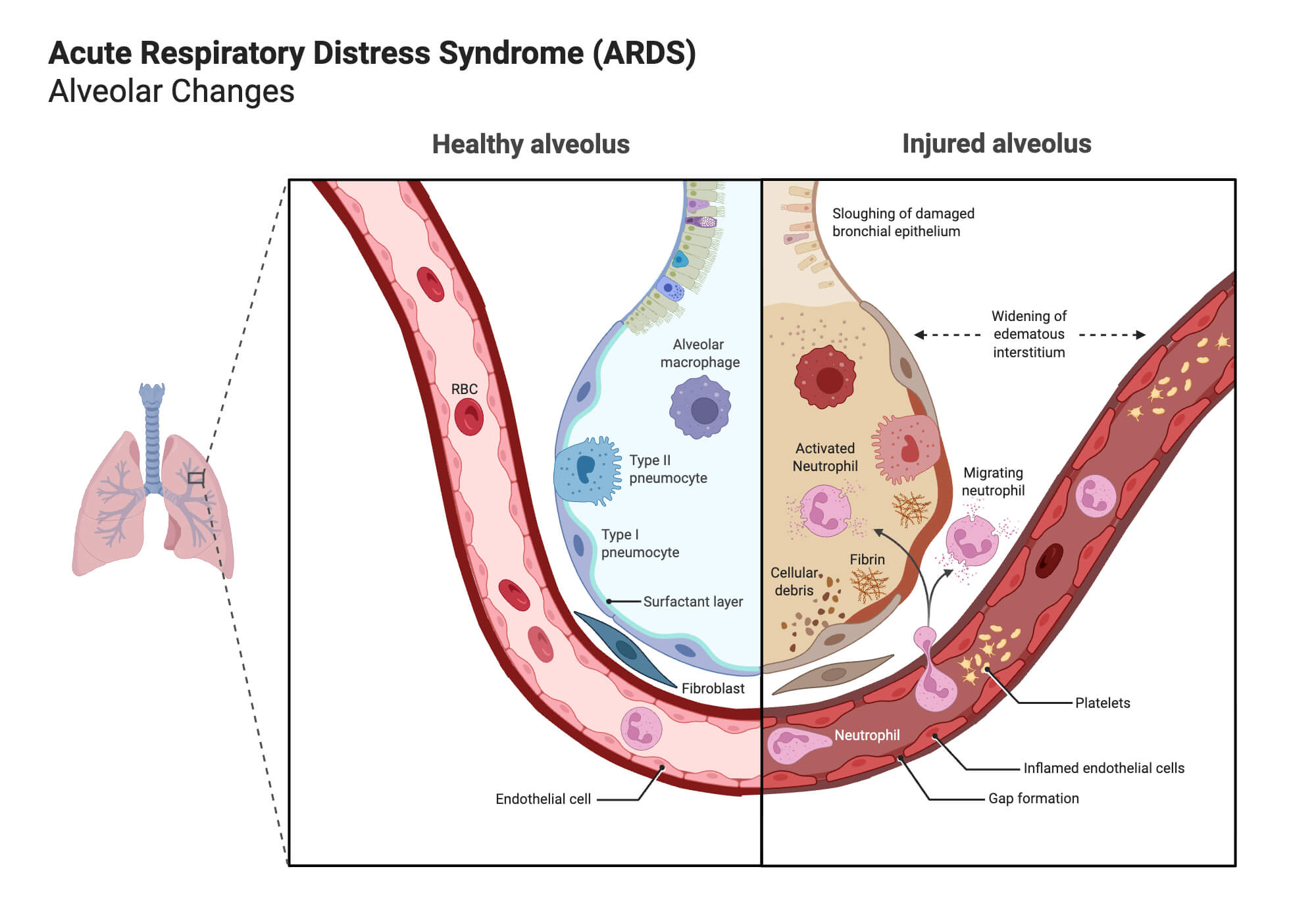
- They are minute, grape-like air spaces that are surrounded by the network of capillaries. They are made up of a thin layer of epithelium tissue; thus, they maintain a blood-air barrier.
- There are nearly 700 million alveoli in the lungs.
- They serve as the main sites for the oxygenation of blood: the diffusion of oxygen into the blood circulatory system and the removal of carbon dioxide.
- Alveolar cells-Type II produce surfactants that prevent the air sacs from collapsing while exhaling air.
Functions of the Human Respiratory System
Gaseous Exchange for the formation of ATP
The major function of the respiratory system is oxygenation of blood, i.e., to diffuse the oxygen received from the external environment into the blood circulation and remove carbon dioxide from the body. Exchange of gases in such a way takes place in alveoli. Consequently, it also results in the production of energy (ATP). If carbon dioxide produced in this metabolism is not removed, it accumulates in the blood, causing toxicity and acidosis.
Maintain bodily homeostasis
Respiration plays a major role in maintaining homeostasis. It regulates the blood pH level by maintaining the level of CO2 in the blood.
Protection and Air Conditioning
The respiratory organs, such as the nasal cavity, warm and moisten the inhaled air and trap the foreign particles.
Olfaction
The olfactory epithelium of the nasal cavity helps to sense smells, which is essential to detect pleasant and harmful scents.
Voice Production
Air passing through the vocal cords in the larynx enables speech and the production of sound.
Process of Breathing and Exchange of Gases
Breathing is the process of inhaling oxygen (inspiration/inhalation) and exhaling carbon dioxide (expiration/exhalation).
In this process, air rushes into the nasal chambers through the external nares. It then travels via the pharynx and cartilaginous larynx. Through the trachea, air enters the bronchi, then the bronchioles, and finally reaches the alveolar sacs.
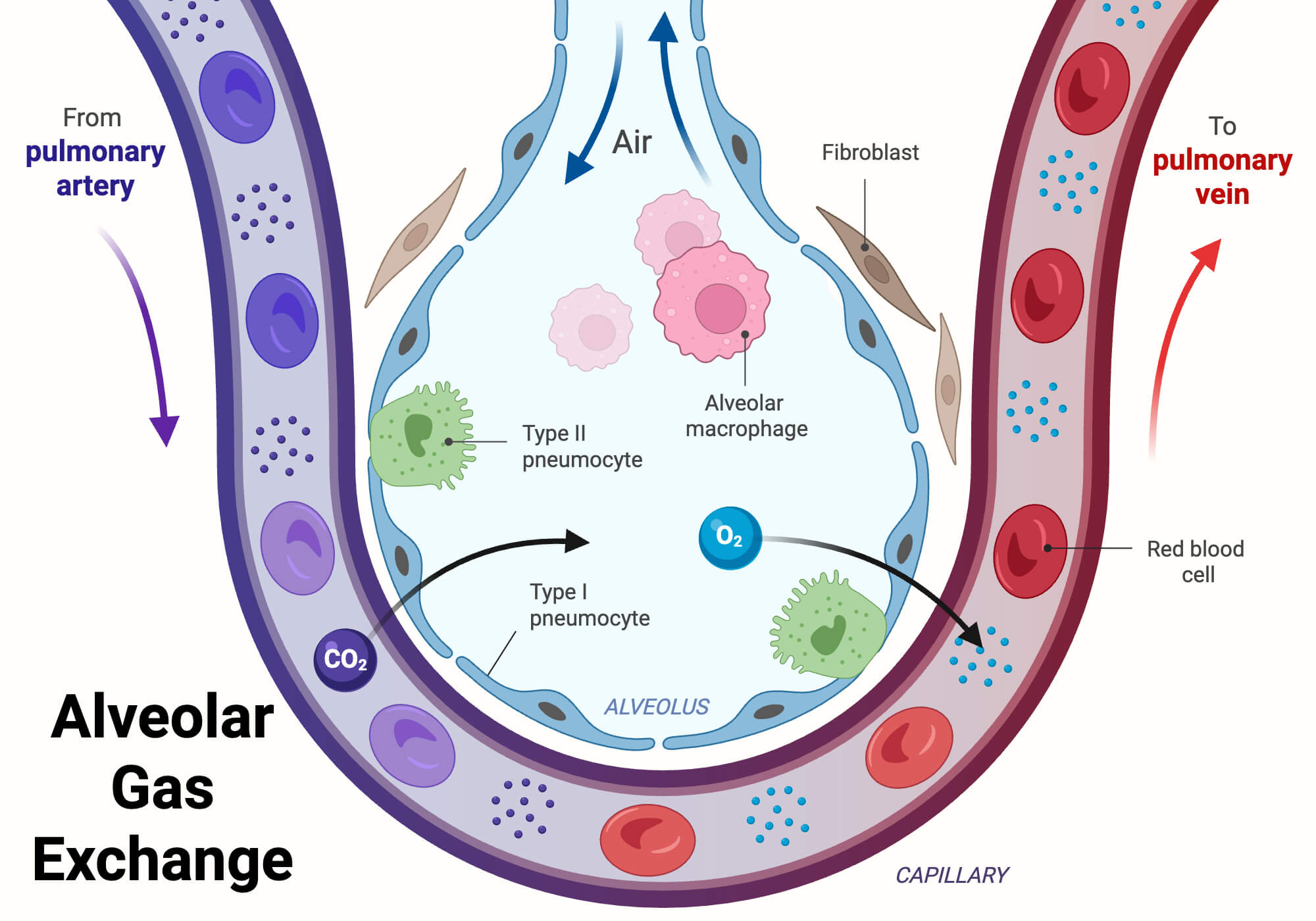
- It occurs due to the pressure gradient created between the lungs and the atmosphere
- The respiratory organs, intercostal muscles of the thoracic region, ribs, sternum, and diaphragm are the parts involved in breathing. The diaphragm is the dome-shaped muscular septum that creates a barrier between the thoracic cavity and the abdominal cavity.
- The contraction and relaxation of diaphragm muscles ultimately result in inspiration and expiration, respectively.
- Process of Inspiration: Contraction of the diaphragm muscles → Contraction of the intercostal muscles → Ribs and sternum move outward → Expansion of the thoracic cavity and lungs → Rise in volume, and reduction in pressure in alveolar sacs→ Air rushes into the lungs via the upper and lower respiratory tract to balance the pressure.
- Gases are exchanged in the body by the mechanism of diffusion.
- The partial pressure of oxygen is lower in blood. So, the oxygenated air diffuses from alveoli into the blood capillaries. Hemoglobin in the blood combines with oxygen to form oxyhemoglobin.
4Hb + 4O2 → 4HBO2
- Blood transports the oxyhemoglobin molecules to the body cells and tissues.
- As the concentration and pressure of oxygen are lower in those cells, oxyhemoglobin is anabolized. After this anabolic reaction, blood diffuses the oxygen molecules into the cells.
4HBO2 → 4Hb + 4O2
- Cells utilize the oxygen molecules to break down the food particles and generate ATP. During this catabolic process, CO2 is formed as a metabolic waste.
C6H12O2 + 6O2→ 6CO2 +6 H2O + ATP
- The concentration and pressure of carbon dioxide become higher in the cells. As a response, they get diffused into the blood and are transported in dissolved form, such as bicarbonate ions.
CO2 +H2O ↔ H2CO3 ↔ H+ + HCO3–
- As the carbon dioxide-rich molecules reach the pulmonary capillaries, they further diffuse into the alveoli.
- Process of Expiration: Relaxation of the diaphragm muscles → relaxation of the intercostal muscles → Ribs and sternum move inward → Contraction of the thoracic cavity and the lungs → Reduction in volume, and increase in air pressure inside the alveolar sac → Air containing CO2 rushes out to the external environment to balance the pressure.
Mechanism of Respiration
During respiration, atmospheric air moves into and out of the lungs, facilitating the exchange of oxygen and carbon dioxide gases in alveoli. This process also results in the formation of energy. It consists of the following phases:
Ventilation
Ventilation is commonly referred to as the breathing process. It also involves: Inhalation and Exhalation.
Inhalation (Inspiration)
It is an active process by which atmospheric air is taken into the lungs.
Mechanism:
- As the diaphragm contracts, it flattens, moves downward towards the abdomen, and causes the contraction of the intercostal muscles. Consequently, the ribs and sternum move upward and outward, enlarging the thoracic cavity, increasing its volume, and reducing the pressure between the lungs and thorax.
- To balance out the low pressure within the lungs, air flows from the atmosphere into the lungs via the upper and lower respiratory tracts.
Exhalation:
It is the passive process by which air is expelled from the lungs. It is also termed as expiration.
Mechanism:
- When the diaphragm relaxes, it moves upward toward the thoracic cavity, pushing down the ribs and sternum and relaxing the intercostal muscles in the thoracic cavity, moving it inward. The volume of the thoracic cavity decreases while increasing the pressure between the lungs and thorax.
- Consequently, lungs expel the air into the atmosphere.
External Respiration
- It refers to the exchange of gases between alveoli and pulmonary capillaries by the principle of diffusion.
- Since the concentration and partial pressure of oxygen are higher in alveolar air (100-104mm of Hg) than in the blood in pulmonary capillaries (40mm of Hg), it diffuses into the blood.
- Likewise, the concentration and partial pressure of CO2 in blood entering the pulmonary capillaries (45mm of Hg) is higher than that of the alveolar air (40mm of Hg); hence, CO2 diffuses into the alveoli.
Internal Respiration
- It is the exchange of gases between the body cells and systemic capillaries.
- Since the concentration and partial pressure of oxygen are higher in blood than in the body cells, oxygen diffuses into the cells.
- After metabolism, the cell produces CO2 as a metabolic waste. Their concentration gets comparatively higher in body cells than in the blood. So, they diffuse out from the cells into the blood capillaries. CO2 is transported by RBCs and plasma in dissolved form.
Cellular Respiration
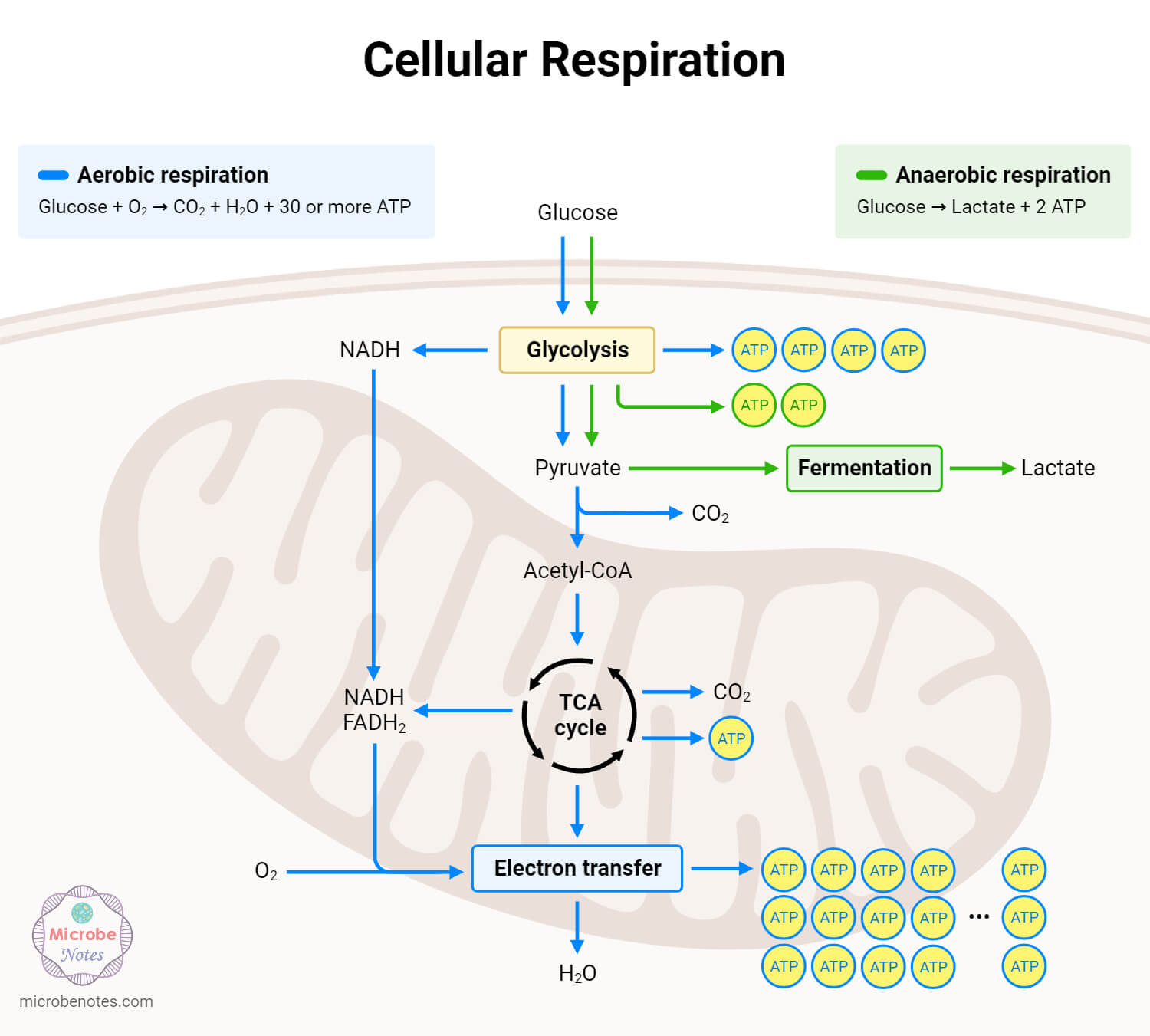
- It is the final step of respiration where oxidation breaks down the complex glucose molecules and generates energy(ATP).
C6H12O2 + 6O2→ 6CO2 +6 H2O + ATP
Regulation and Control of Breathing
Breathing is primarily regulated and controlled by the nervous system and chemoreceptors.
Neural Regulation of Breathing
- Breathing is regulated and controlled by: Dorsal and ventral respiratory groups of neurons (DRG and VRG) in the medulla oblongata and pneumotaxic and apneustic centers in the pons in the brain.
- The medulla oblongata generates the breathing rhythm, whereas the pons centers moderate the rhythm.
| Centers | Functions |
| DRG | Contains neurons that control the movement of the diaphragm and external intercostal muscles during inspiration |
| VRG | Controls the movement of the pharynx, larynx, diaphragm and both internal and external intercostal muscles during inspiration and expiration |
| Apneustic centres | Initiate and stimulate inspiration |
| Pneumotaxic centres | Inhibit inspiration |
Chemical Regulation of Breathing
Breathing is also controlled by certain chemoreceptors. They detect the chemical stimuli, such as levels of oxygen, carbon dioxide, and pH in the blood, and maintain homeostasis in the body.
| Types of Chemoreceptors | Location | Stimuli |
| Peripheral Chemoreceptors | Aortic and carotid bodies | Low O2, low blood pH, and high CO2 |
| Central chemoreceptors | Medulla oblongata | High CO2 |
For instance, the increase in the level of CO2 in the blood leads to acidosis. Central chemoreceptors detect this change in blood and increase the breathing rate.
Common Diseases and Disorders of the Human Respiratory System
| S.N | Diseases and disorders | Cause and Site of Infections/Inflammation | Symptoms |
| Upper Respiratory Tract Infection(URTI) | |||
| Sinusitis | Bacterial/viral infection in cranial sinuses | Nasal discharge, facial pain, tooth pain | |
| Tonsillitis | Inflammation of the tonsils caused by bacteria/virus | Difficulty in breathing, throat pain, high fever | |
| Laryngitis | Bacterial/ viral inflammation of the vocal cords | Sore throat, hoarseness of voice, | |
| B. | Lower Respiratory Tract Infections | ||
| Acute Bronchitis | Inflammation of the bronchi and bronchioles caused by bacteria/ virus | Shortness of breath, yellow-colored expectorated mucoid cough | |
| Chronic Bronchitis | Long-term smoking and air pollution | shortness of breath, expectorated mucoid cough | |
| Pneumonia | Bacterial/ viral infection of the lungs | High fever, chills, headache, chest pain, sweating, bloody-mucoid cough | |
| Tuberculosis | Bacterial infection of the lungs | Bloody mucoid cough, shortness of breath, fever, night sweats | |
| Pulmonary Fibrosis | Loss of elasticity of lungs due to inhalation of sand, coal dust, silica particles, along with air | Shortness of breath, persistent cough | |
| C. | Obstructive Pulmonary Disorders: | ||
| Asthma | Constriction of bronchi and bronchioles | Shortness of breath, wheezing, mucoid cough, |
How to keep the human respiratory system healthy?
It is necessary to take good care of our respiratory system to lead a healthy life. Some of the ways to keep the respiratory tract healthy are:
- Avoid cigarettes and smoking
- Keep the sanitation clean
- Use air purifiers
- Use protective gear to prevent exposure to harmful gases while working in the industries
- Ventilate the rooms
- Do not spend a lot of time in polluted sites
- Maintain a healthy diet, eat healthy, fresh foods, and drink clean and purified water
Spirometry and Pulmonary Function Tests (PFT)
- Pulmonary function tests are the diagnostic tests that measure the ability of the lungs to inhale and exhale air, basically, how well the lungs are working.
- One of the most commonly used PFTs is Spirometry.
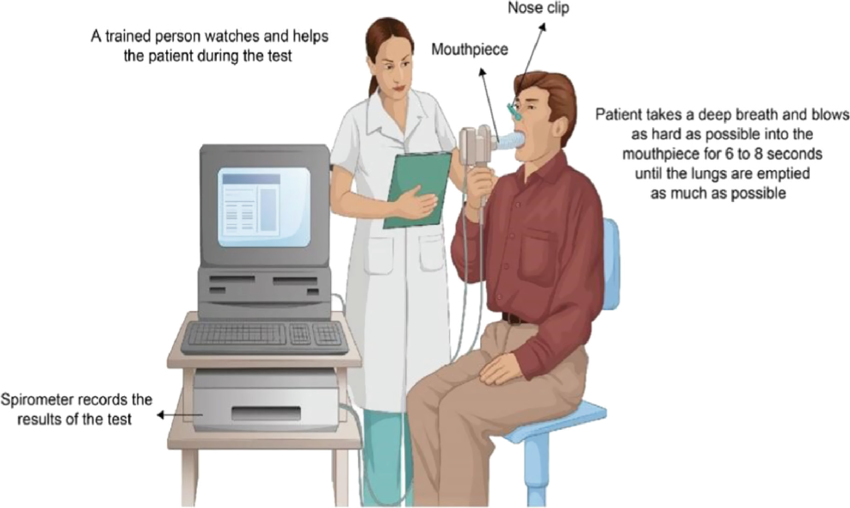
- Spirometry is the diagnostic pulmonary function test performed to determine the amount of air inhaled and exhaled from the lungs within a particular time during breathing. It is measured by the use of a spirometer.
- Spirometer measures and records the breathing patterns. Then, it represents them in a graph that is called a spirogram or pneumotachograph.
- It helps to diagnose any kind of pulmonary disease, such as asthma and COPD, and monitor chronic disorders.
- Other types of PFTs include Lung volume testing and Diffusion capacity Test.
Conclusion
The human respiratory system is a complex process that facilitates the continuous supply of oxygen gas into the blood, the production of energy in the form of ATP, and the removal of carbon dioxide from the body through the respiratory routes. It is essential to carry out cellular metabolism and the function of other biological systems, such as the circulatory system.
References
- American Lung Association. (n.d.). 10 simple steps to your healthiest lungs. https://www.lung.org/blog/10-tips-for-healthy-lungsContributors to Wikimedia projects. (2006, July 19). Human Physiology/The respiratory system. Wikibooks, Open Books for an Open World. https://en.wikibooks.org/wiki/Human_Physiology/The_respiratory_system
- Cirino, E. (2024, March 22). What to know about a spirometry test. Healthline. https://www.healthline.com/health/spirometry
- Dua, A., & Sharma, S. (2025, December 14). Physiology, alveolar tension. StatPearls – NCBI Bookshelf. https://www.ncbi.nlm.nih.gov/books/NBK539825/
- Humagain, S. (2020, December 22). Mechanism of breathing and its neural regulation. Online Science Notes. https://onlinesciencenotes.com/mechanism-of-breathing-and-its-neural-regulation/
- Lamb, K., Theodore, D.,&Bhutta, B. S. (2023, August 17). Spirometry. StatPearls – NCBI Bookshelf. https://www.ncbi.nlm.nih.gov/books/NBK560526/
- Murumkar, C. V., Vaze, V. K., Ranade, V. D., Ade, A., Lohar, P., Naikare, S. M., Kaul, S. K. S., Prabhu, S. A., Waghaye, S. M., Pawale, S. R., Khade, R. N., Mulgund, N. M., Kulkarni, R., Shinkhede, M. M., Chordiya, S. P., Sutar, P. M., Edlabadkar, A. P., Shirke, P. P., Taware, P. H., . . . Gosavi, V. (2020). STANDARD TWELVE. Maharashtra State Bureau of Textbook Production and Curriculum Research. https://static.collegedekho.com/media/uploads/2022/09/21/class-12-biology-textbook-pdf-1.pdf
- Pathak, M.&Sri Satya Sai University of Technology and Medical Sciences. (n.d.). ANATOMY AND PHYSIOLOGY. https://www.sssutms.co.in/cms/Areas/Website/Files/Link/EContent/ANATOMY_PHYSIOLOGY.pdf
- Pittman, R. N. (2011). Chemical regulation of respiration. Regulation of Tissue Oxygenation – NCBI Bookshelf. https://www.ncbi.nlm.nih.gov/books/NBK54106/#:~:text=The%20respiratory%20system%20must%20try,substances%20in%20the%20interstitial%20fluid.
- Ponce MC, Sankari A, Sharma S. Pulmonary Function Tests. [Updated 2023 Aug 28]. In: StatPearls [Internet]. Treasure Island (FL): StatPearls Publishing; 2026 Jan-. Available from: https://www.ncbi.nlm.nih.gov/books/NBK482339/
- Respiratory System | Biology for Majors II. (n.d.). https://courses.lumenlearning.com/wm-biology2/chapter/respiratory-syst
- The Respiratory System | NHLBI, NIH. (2022, March 24). NHLBI, NIH. https://www.nhlbi.nih.gov/health/lungs/respiratory-system
- Tips for healthy lungs. (2026, January 2). Baptist Health. https://www.baptisthealth.com/blog/respiratory/tips-for-healthy-lungs
- Wagner, P. D. (2014). The physiological basis of pulmonary gas exchange: implications for clinical interpretation of arterial blood gases. European Respiratory Journal, 45(1), 227–243. https://doi.org/10.1183/09031936.0003921
- Wikipedia contributors. (2026b, February 22). Respiratory disease. Wikipedia. https://en.wikipedia.org/wiki/Respiratory_disease
