
Gene therapy is the process of correcting altered or unwanted genes that cause genetic disorders. It involves introducing, altering, or suppressing a gene in the human genome to treat or prevent diseases.
In this approach, the genetic material delivered to the patient either corrects a defective gene, silences a pathological gene, or introduces new genes to restore normal cellular physiology. Gene therapy is used to treat diseases, including but not limited to: Adenosine deaminase deficiency (ADA), AIDS, Cancer, Cystic fibrosis, etc.
History and Development of Gene Therapy
- The introduction of transduction as a mechanism of genetic transfer by Joshua Lederberg in 1952, followed by Watson and Crick’s report of the DNA double helix in 1953, provided the molecular basis for gene transfer research.
- In 1962, Wacław Szybalski performed the first documented gene transfer in a mammalian cell line.
- In 1968, Rogers and Pfuderer demonstrated the proof of concept of virus-mediated gene transfer.
- The first therapeutic gene transfer in humans was done in 1990, in an ADA-SCID patient.
- In 1999, the death of a patient by an adenoviral vector led to multiorgan failure as a result of gene therapy, causing a significant setback in this area.
- In 2003, China approved a gene therapy-based product, followed by the first successful Phase III gene therapy clinical trial in the European Union in 2009.
- European Medicines Agency (EMA), in 2012, approved the gene therapy product Glybera for use. Subsequently, the FDA authorized CAR-T cell therapy (Kymriah), Luxturna in 2017, and Zolgensma in 2019.
- In 2023, the first CRISPR-based gene therapy for sickle cell disease and β-thalassemia was approved.
- As of 2026, there are 50+ approved gene therapies all over the world, with advancements such as Prime editing for Chronic Granulomatous Disease (CGD).
Principles and Mechanisms of Gene Therapy
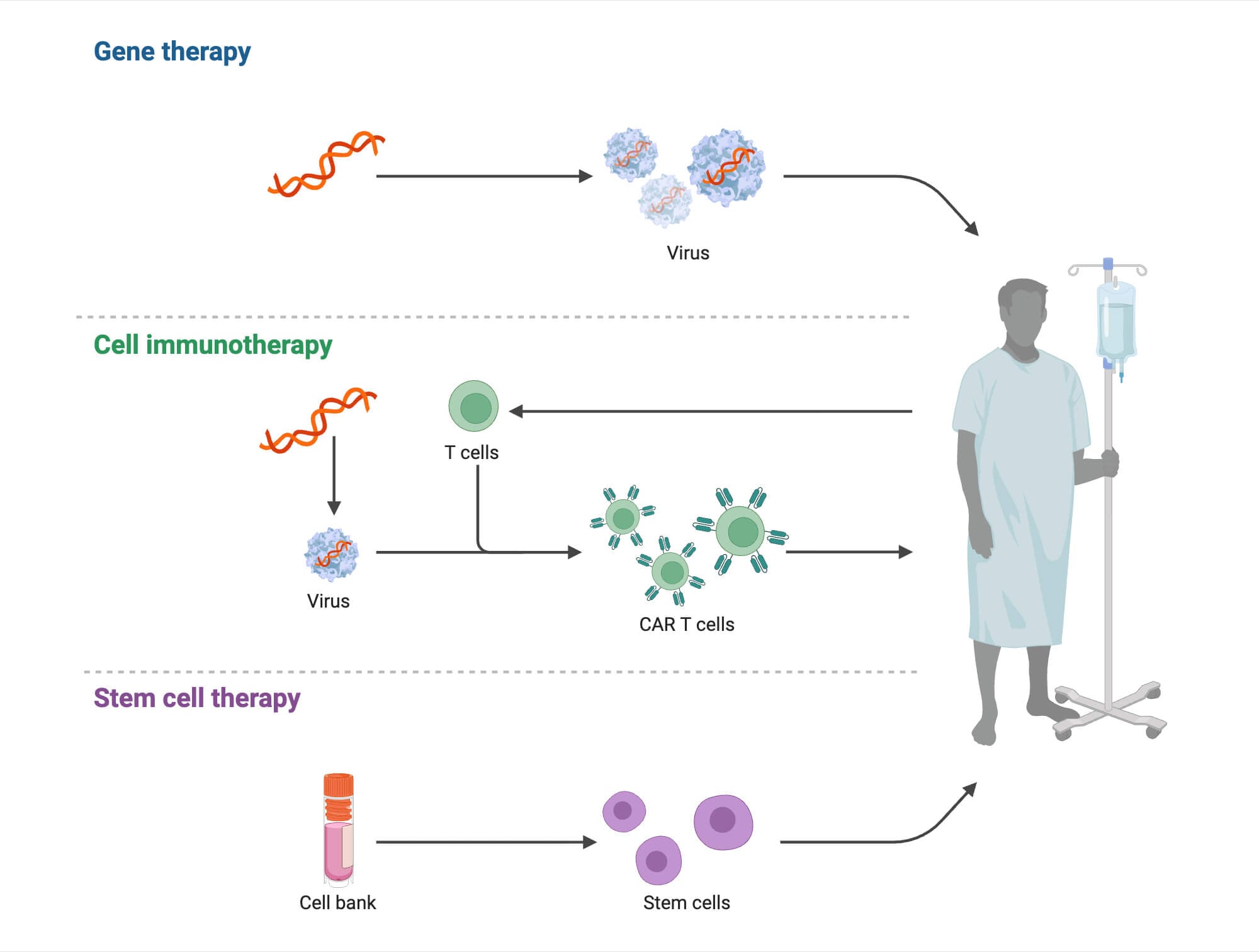
The major principle of gene therapy is that a disease or disorder caused by genetic dysfunction can be corrected at the molecular level by modifying the genetic content of the affected cell. Either the in vivo approach, with direct delivery into the body, or the ex vivo approach can be applied for gene delivery in gene therapy.
Gene therapy encompasses multiple strategies and mechanisms, such as replacement, silencing, editing, and addition, that alter gene expression to correct genetic defects and abnormalities. These mechanisms may be employed separately or in combination, depending upon the therapeutic objective.
Gene addition (Gene augmentation): Gene addition involves the delivery of a new functional copy of the defective or absent gene into the host genome, without the removal or modification of the unwanted sequence. This mechanism is mostly applicable in loss-of-function mutations, where a disease results from the absence or deficiency of a functional gene product.
Gene silencing: Gene silencing involves the suppression of the gene expression of an unwanted gene. It is applied in cases of gene overexpression, which can lead to unwanted mutations or altered functions. It depends on mechanisms of RNA interference (RNAi), antisense oligonucleotides (ASOs), or transcriptional silencing.
Gene editing: It refers to the direct and targeted modification of a gene at a defined locus or area. In contrast to gene addition, which provides a functional new gene without removing it, gene editing corrects the unwanted gene and provides a permanent resolution.
Gene replacement: Gene replacement involves removing the faulty gene and replacing it with a functional gene at its original site. This is distinct from gene addition, where the defective gene is retained at its original position.
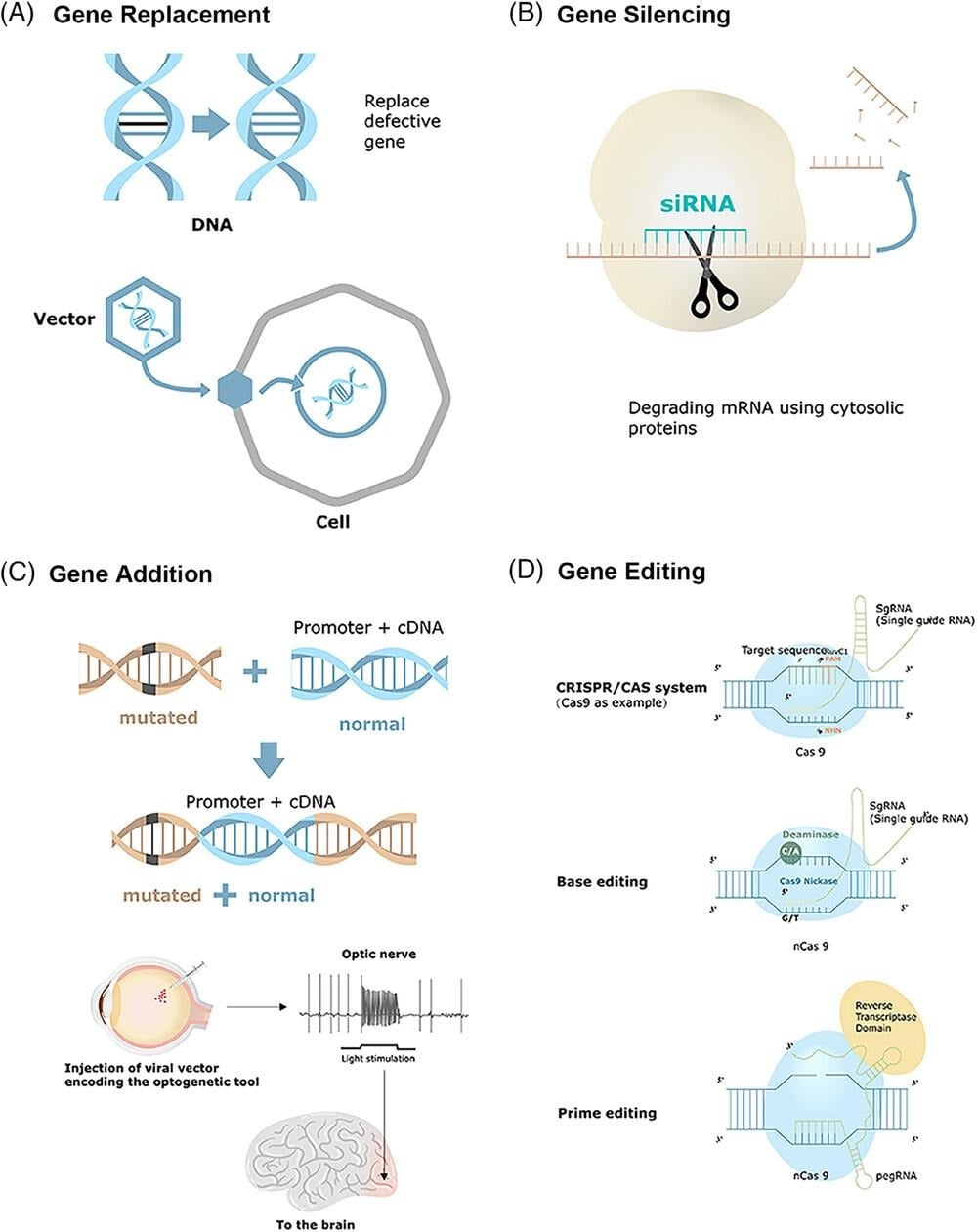
Source: Liu F, Li R, Zhu Z, Yang Y, Lu F. Current developments of gene therapy in human diseases. MedComm. 2024;5:e645. https://doi.org/10.1002/mco2.645
Types of Gene Therapy
Based on the target cell type of gene therapy, it is subdivided into two groups:
Germline gene therapy
It involves genetic modification of reproductive cells (sperm or eggs) or early embryos, resulting in heritable genetic changes that are transmissible to subsequent generations. This approach holds immense potential for effective therapies against genetic and hereditary diseases at a population level.
Somatic gene therapy
It involves the genetic modification of non-reproductive (somatic) cells. The genetic changes made are limited to the treated individual and are not transformed onto offspring.
Methods and Vectors Used in Gene Therapy
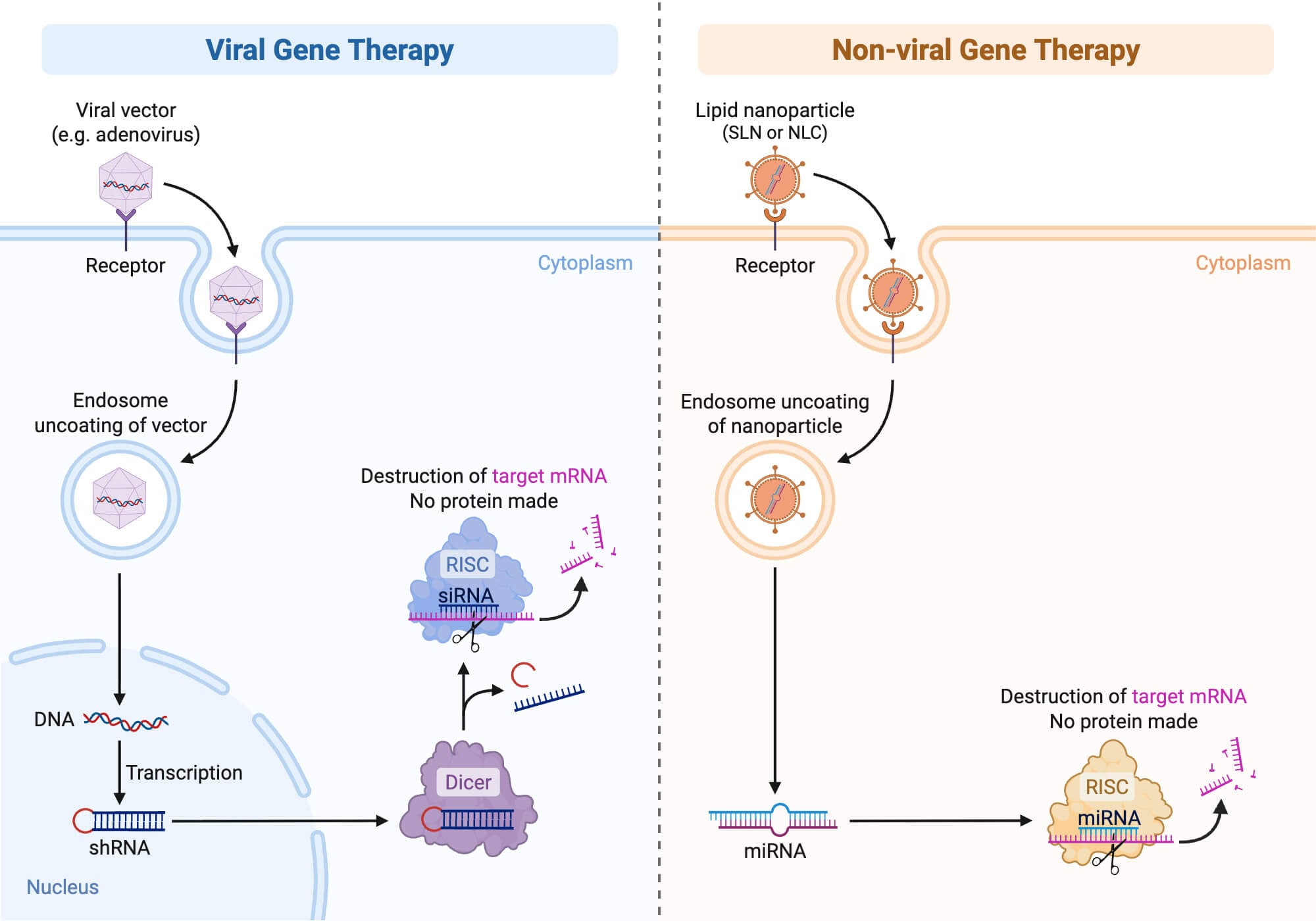
The delivery of therapeutic genetic material into the target cells requires delivery agents, called vectors. These vectors are broadly categorized as viral and non-viral delivery systems.
Viral Delivery System
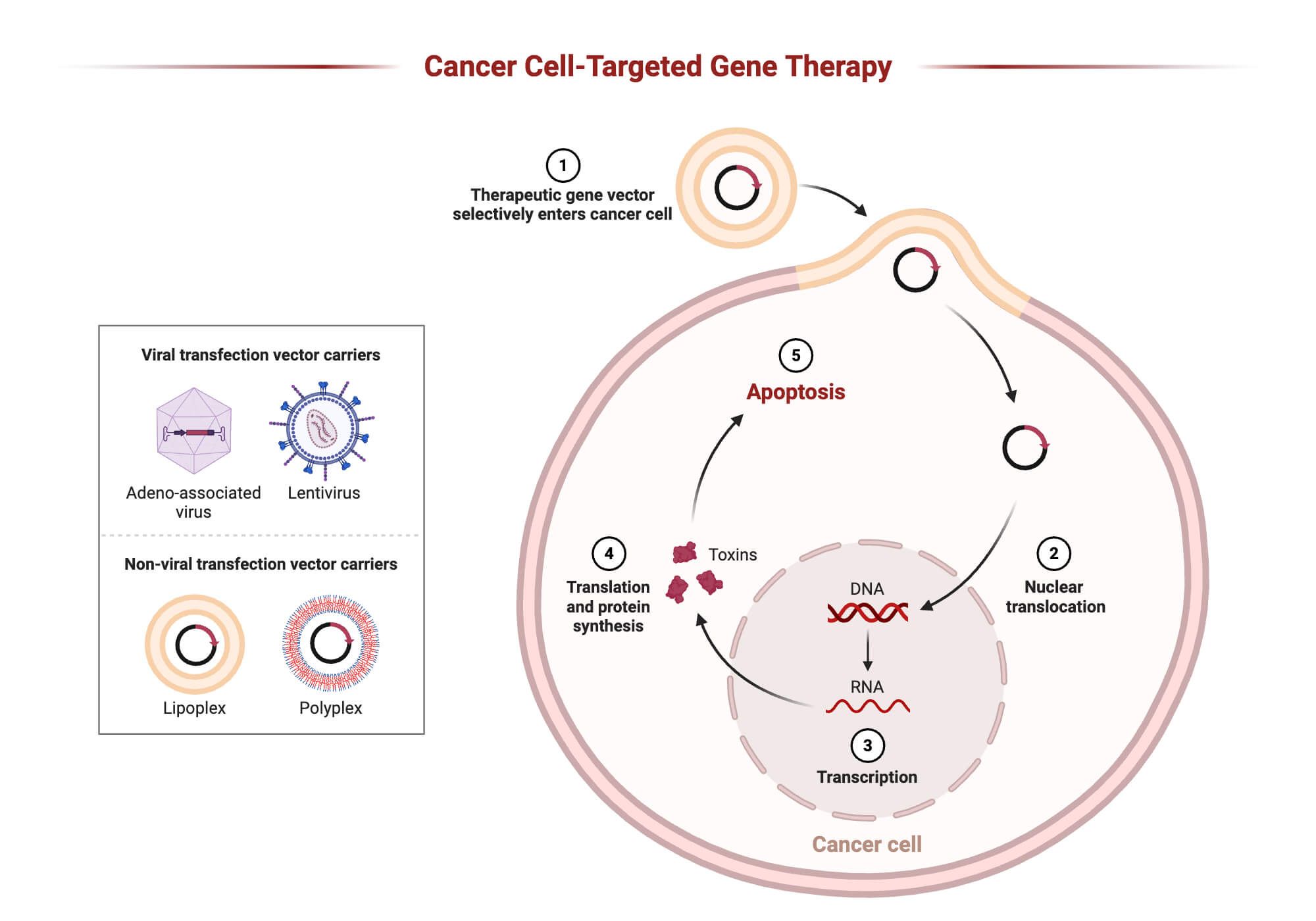
A viral delivery system uses the natural cellular entry and gene-delivery mechanisms of viruses, from which pathogenic elements are removed and replaced with therapeutic genes. Adeno-associated viruses (AAV), adenoviruses, retroviruses, and lentiviruses are the commonly used viral vectors for delivery. AAVs are among the most widely used, due to their safety profile, ability to deliver into multiple tissue types, and their capacity for stable gene expression.
Non-viral delivery system
Non-viral delivery systems offer reduced immunogenicity, higher production simplicity, and higher adaptability; however, lower translational efficacy is observed as compared to viral delivery systems.
Delivery systems include polymer-based systems, such as polyethyleneimine (PEI), lipid nanoparticles (LNPs), extracellular vesicle-based systems (exosomes and microvesicles), inorganic nanomaterial based, such as gold nanoparticles, and virus-like particle-based systems.
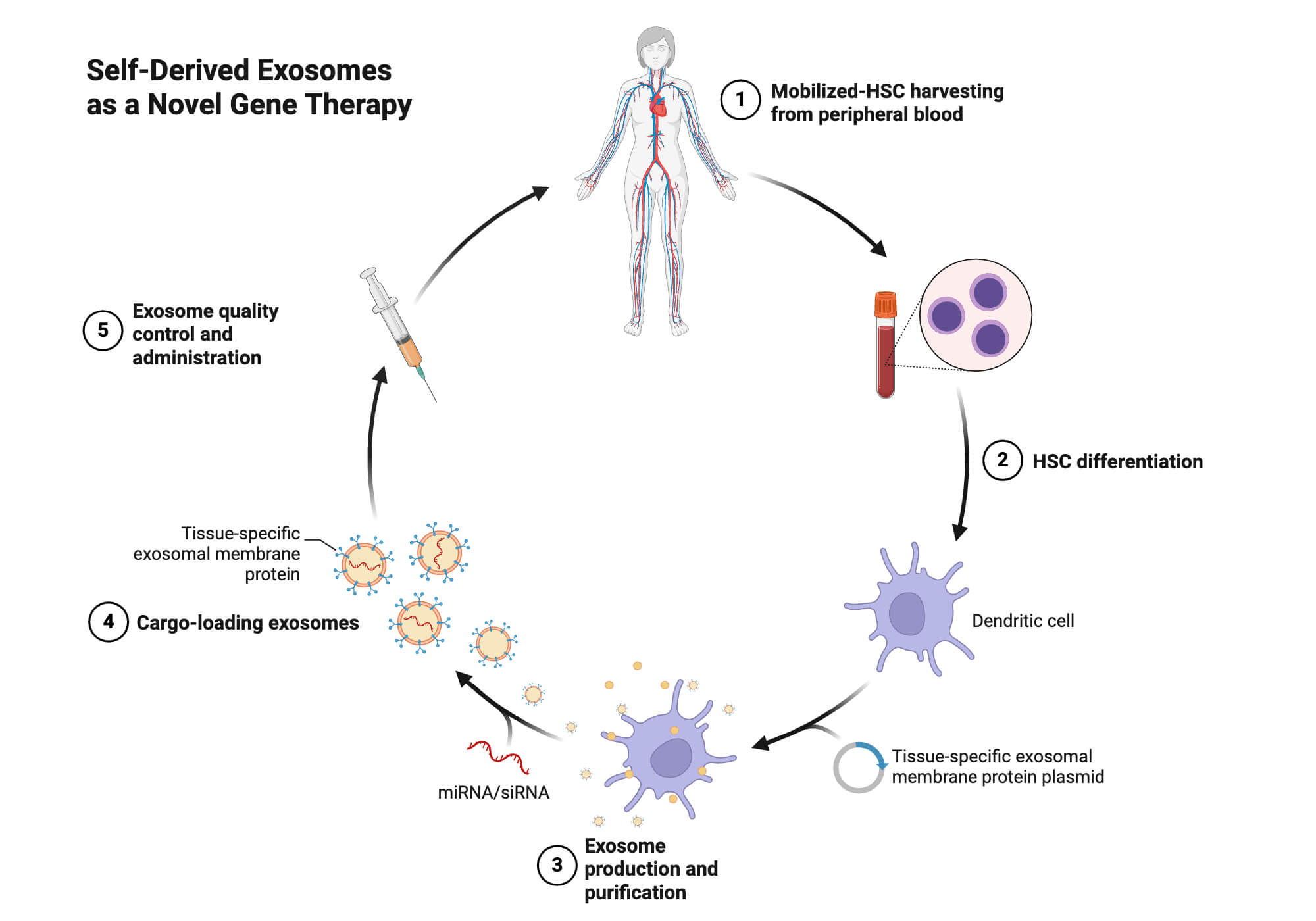
Steps Involved in the Gene Therapy Process
Target gene identification: The gene responsible for the genetic disorder (the causative mutation) is first identified through molecular diagnostics and gene sequencing.
Gene design and optimization: A functional therapeutic gene is then designed and optimized for maximum gene expression and stability in the target cell. This includes promoter and codon optimization.
Vector selection and production: The optimized gene is then inserted into an appropriate vector, which works as the delivery vehicle for gene transfer. The size of the transgene, the type of target cell, and the immunological profile of the patient are major factors that govern vector selection. AAVs are widely preferred as delivery vehicles. These selected vehicles are then produced on a large scale and purified to maintain clinical standards.
Transgene QC and pre–clinical testing: The manufactured vector with the transgene undergoes rigorous quality control (QC) testing. Analytical assays to confirm identity, purity, potency, and efficacy are conducted. Also, preclinically relevant transgenic animal models (eg, mice) are used to evaluate distribution, immunogenicity, toxic effects, and overall safety and efficacy.
Delivery: It is categorized into two types: ex vivo and in vivo.
In in vivo delivery, the vector is directly administered into the patient via IV, direct injection, or direct organ installation, depending on the target tissue.
In ex vivo delivery, hematopoietic stem cells are taken, followed by the transduction of a therapeutic vector with the stem cells in a controlled laboratory condition, and their reinfusion into the patient.
Cellular uptake and expression: Following delivery, the vector enters target cells and releases the therapeutic gene, which is then expressed as a functional protein, replacing or supplementing the defective gene product.
Monitoring: After administration, patients are monitored to evaluate the therapeutic response, detect adverse immune responses, and assess the durability of gene expression. Long-term surveillance is done to monitor delayed reactions or effects, along with the potential germline transmission.
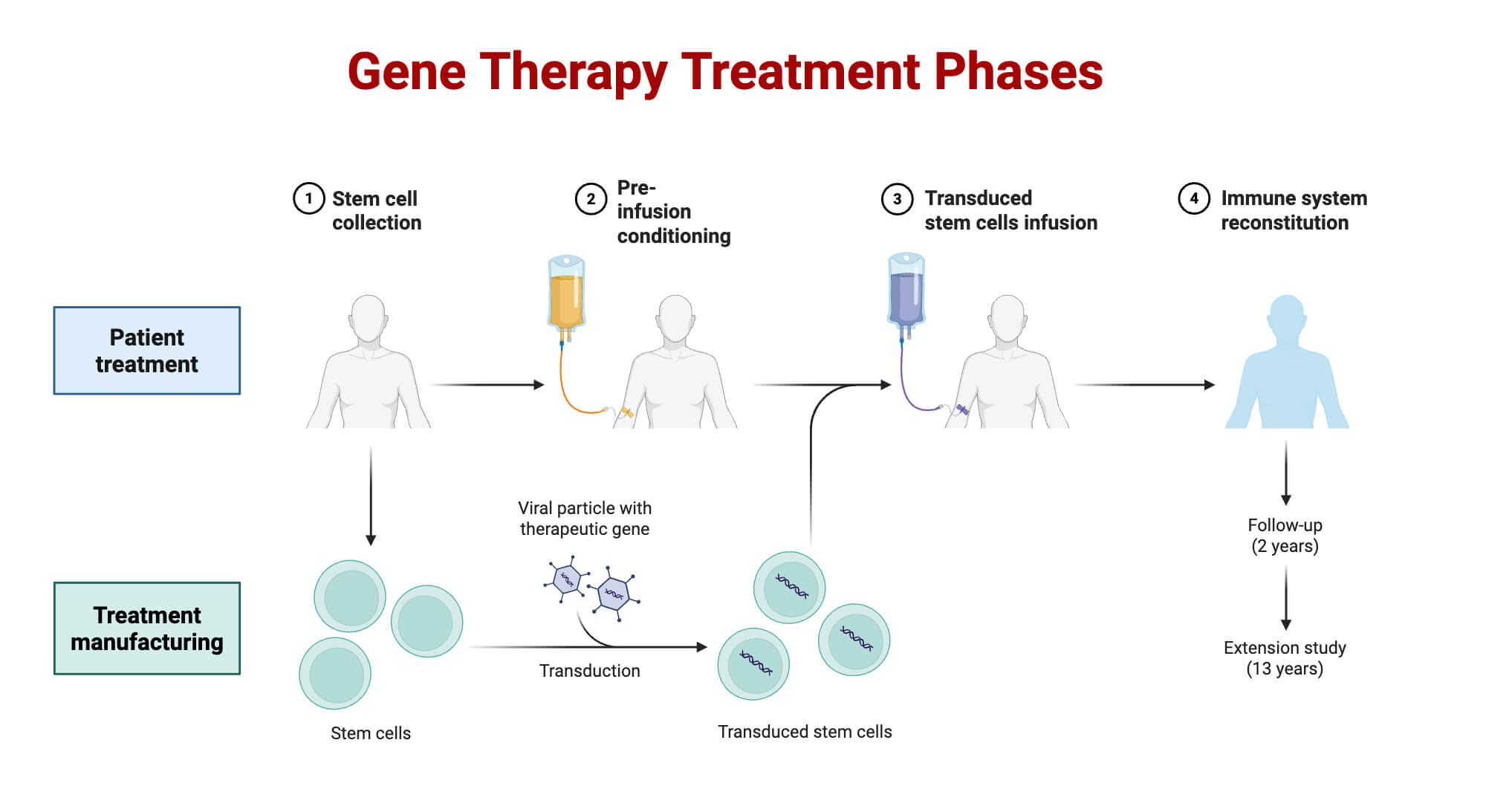
Applications of Gene Therapy in Genetic and Acquired Diseases
Gene therapy is applied across a wide range of genetic and acquired diseases. Some of them are:
Monogenic disorders: Gene therapy has demonstrated clinical success in single-gene disorders, such as hemophilia A and B, Adenosine Deaminase Severe Combined Immunodeficiency (ADA-SCID), Duchenne muscular dystrophy (DMD), etc.
Retinal dystrophies: Gene therapy in ophthalmology has also demonstrated clinical success with DDA approval of Luxturna. Luxturna-based therapy delivers a functional gene to retinal pigment epithelial cells to restore photoreceptor function in patients with mutations in the RPE64 gene.
Spinal Muscular Atrophy (SMA): In patients with SMA, Zolgensma therapy delivers a functional copy of the SMN1 gene, whose absence causes SMA. Clinical trial reports demonstrate significant improvement in motor function in treated infants with SMA, who would have otherwise experienced progressive motor neuron degeneration and early mortality.
Acquired diseases: Beyond genetic disorders, gene therapy is being applied in acquired conditions, such as HIV, cancer, cardiovascular diseases, and neurodegenerative diseases (e.g., Alzheimer’s and Parkinson’s disease).
Gene Therapy in Cancer Treatment and Precision Medicine
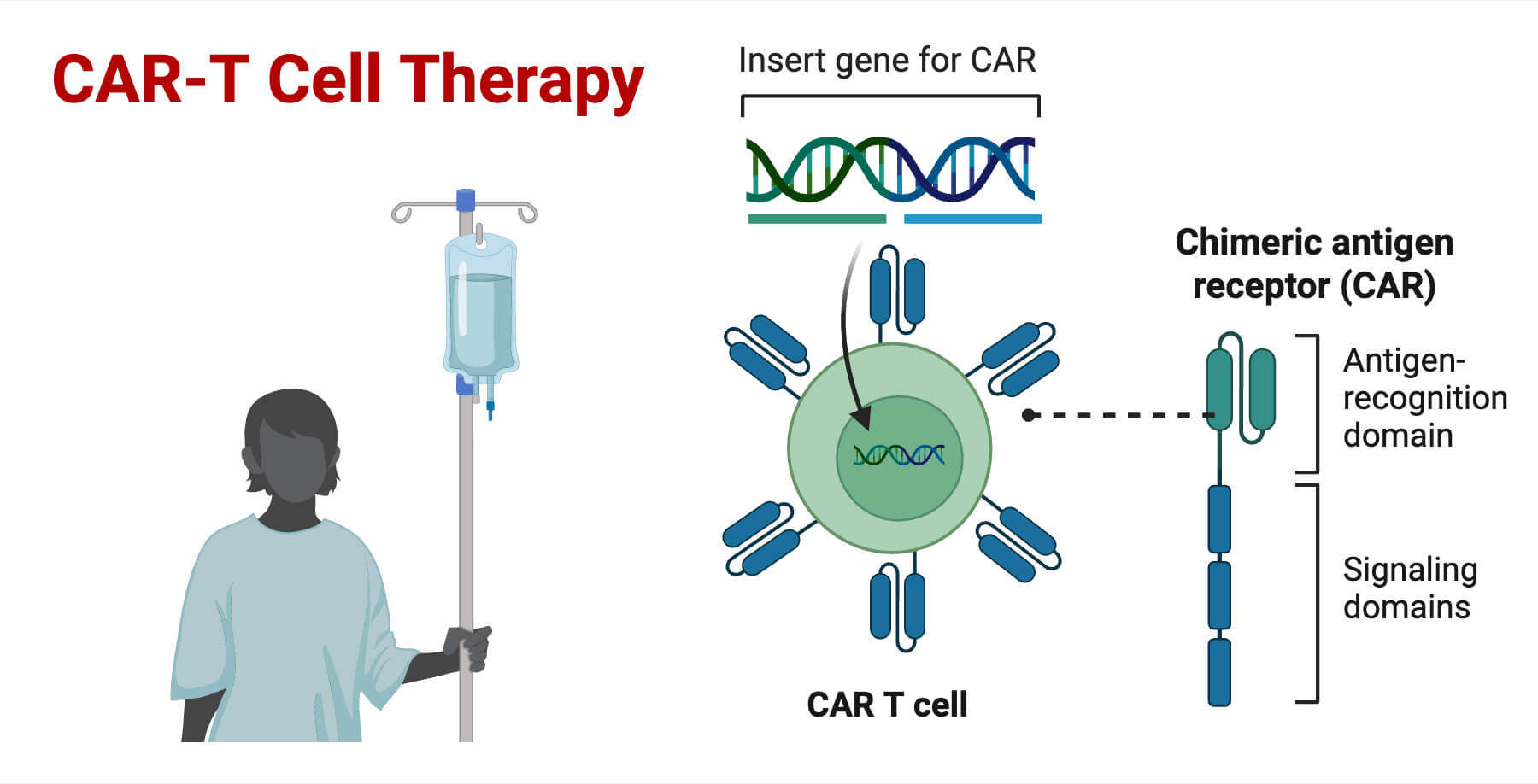
CAR-T cell therapy: Chimeric antigen receptor T-cell (CAR-T) therapy involves the ex vivo genetic modification of the patient’s T-cells to express the receptors that can target tumor-specific antigens. FDA-approved products, such as Kymriah and Yescarta, have demonstrated improved therapeutic outcomes in blood cancers.
Tumor suppressor therapy: Adenoviral vector p53-based Gendicine delivers the TP53 tumor suppressor gene into tumor cells (head and neck squamous cell carcinoma). As a result, the p53 function is restored, and apoptosis is promoted in cancer cells.
Suicide gene therapy: The suicide-causing genes convert a non-toxic drug into a toxic compound. When the drug is administered, only the cells that express the suicide gene can convert the drug into a lethal material, leading to selective cellular death. For example, HSV thymidine kinase/ganciclovir gene therapy.
Precision oncology: CRISPR-based disruption of oncogenic genes (knockouts or corrections) is more effective in highly effective in the treatment of lung cancer, leukemia, and sarcoma.
Advantages of Gene Therapy
- Curative potential: Gene therapy deals with the root cause of any disease rather than symptomatic treatment.
- Specificity: The use of tissue-specific promoters and selective gene expression allows precision and specificity in the treatment of target cells or organs, hence reducing off-target activity in healthy tissues.
- Broad applicability: Using similar principles, gene therapy can be adapted across a wide range of diseases, from monogenic diseases to acquired diseases, such as cancer, HIV/AIDS, and neurological disorders.
- Elimination of heritable disorders: Germline gene therapy can remove unwanted genes in an individual’s gametes or sex cells, potentially freeing the upcoming generations from heritable genetic disorders.
Limitations of Gene Therapy
- High cost: Gene therapies approved for medical use are highly expensive, being priced at millions of dollars.
- Immunogenicity: Viral vector-based, particularly adenoviruses, gene therapies exhibit both strong adaptive and innate immune responses. Similarly, immunity against vector serotypes used as delivery vehicles can neutralize them and limit the effectiveness of the therapy in patients.
- Mutagenesis: Viral vector-based gene therapies, particularly gamma-retroviruses, possess a risk of insertional oncogenesis by disrupting the tumor suppression gene or activating normal genes to undergo oncogenesis at the target site. For example, several patients developed T-cell leukemia in early SCID trials after retroviral gene therapy.
- Technical challenges: The techniques involved in the process of gene therapy require precision and technical effectiveness.
Safety, Ethical, and Regulatory Issues in Gene Therapy
Germline editing: Modifying germline cells (sperm or egg) raises ethical concerns about introducing heritable genetic alterations without the consent of future generations.
Safety issues: Additional safety issues, such as insertional mutagenesis, off-target effects, and immunological risks, are among the key challenges of gene therapy.
Misuse: Gene therapy can potentially be misused to enhance desired traits rather than for medical necessities.
Regulatory harmony: The regulation of gene therapy and its products differs according to countries. Consistency among regulatory organizations is an important issue in terms of safety and the development of gene therapy.
Gene Therapy vs. Traditional Treatments
Unlike conventional treatments that address disease, disorders, or symptoms at the surface level, gene therapy targets the fundamental genetic cause of a disease or condition.
| Feature | Traditional Treatment | Gene Therapy |
| Goal | Management of symptoms | Target of the root genetic cause |
| Durability | Strictly requires ongoing repeated administration or intervention | Can often provide a one-time curative benefit; multiple therapies are needed in some cases |
| Methodology | Surgery, chemical components | Addition, removal or modification of genetic material |
| Development | Time-consuming (in case of drug discovery and development) | Faster, predefined mechanism for therapy. However, requires time for clinical trials. |
| Cost | Affordable and applicable to all | Highly expensive |
| Accessibility | Higher accessibility across a wide population group | Lower accessibility due to economic differences |
| Examples | Insulin for diabetes, pain relief medication, chemotherapy, etc. | CAR-T cell therapy, Casgevy, etc. |
Future Prospects and Advances in Gene Therapy
Vector capacity engineering: Advancements in the engineering of high-capacity delivery vectors and hybrid delivery platforms can accommodate genes of longer length or packaging of genes in the same delivery vehicle for multiple treatable genetic conditions, further revolutionizing gene therapy.
Delivery specificity optimization: The achievement of cell-type-specific gene expression material is one of the major upcoming priorities for enhanced specificity and effectiveness. Tissue-specific promoters, refined vector capsid design, and targeted delivery systems are essential to enhance the precision of gene therapy in intended cell populations.
Mitigating immune responses: Future directions regarding the immunogenic effects of viral vectors and the target gene are a significant gap. Immune-evasive viral capsids and low immunogenic nanoparticles based on non-viral delivery methods are potential strategies for future clinical applications.
Application in common diseases: Beyond rare disorders, research is expanding to diseases like cardiovascular diseases, neurodegenerative diseases, and infectious diseases.
Personalized therapy and AI integration: Artificial intelligence and machine learning platforms are being used for enhanced personalized gene therapies based on an individual’s genetic profile.
Conclusion
Gene therapy has moved from foundational rDNA technology into clinical applications across genetic and acquired diseases. The developments in vector engineering, gene editing platforms, and regulatory frameworks have improved the precision, safety, and durability of gene therapy. With its ongoing prospects, gene therapy will be highly significant in the future of medicine and therapeutics.
References
- Gonçalves, G. A. R., & Paiva, R. M. A. (2017). Gene therapy: advances, challenges and perspectives. Einstein (Sao Paulo, Brazil), 15(3), 369–375. https://doi.org/10.1590/S1679-45082017RB4024
- Liu F, Li R, Zhu Z, Yang Y, Lu F. Current developments of gene therapy in human diseases. MedComm. 2024;5:e645. https://doi.org/10.1002/mco2.645
- Shchukina, E. I., Mazunin, I. O., Eremin, I. I., & Moskalev, A. A. (2025). Gene Therapy Techniques and Delivery Methods (Review). Sovremennye tekhnologii v meditsine, 17(6), 56–67. https://doi.org/10.17691/stm2025.17.6.06
- Wu, Y., Zhao, T., Wang, Y. et al. Gene augmentation therapy restores vision and preserves photoreceptors in a mouse model of CNGA1-retinitis pigmentosa. Commun Med 5, 384 (2025). https://doi.org/10.1038/s43856-025-01108-x
- Gaj, T., Sirk, S. J., Shui, S. L., & Liu, J. (2016). Genome-Editing Technologies: Principles and Applications. Cold Spring Harbor perspectives in biology, 8(12), a023754. https://doi.org/10.1101/cshperspect.a023754
- Keep up the momentum for gene therapies. Nat Med 32, 769 (2026). https://doi.org/10.1038/s41591-026-04311-y
- Ingle, R. G., M Elossaily, G., Ansari, M. N., & Makhijani, S. (2025). Unlocking the potential: advancements and applications of gene therapy in severe disorders. Annals of medicine, 57(1), 2516697. https://doi.org/10.1080/07853890.2025.2516697
- High, K. A., & Roncarolo, M. G. (2019). Gene therapy. New England Journal of Medicine, 381(5), 455–464. https://doi.org/10.1056/NEJMra1706910
- Seimetz, D., Heller, K., & Richter, J. (2019). Approval of First CAR-Ts: Have we Solved all Hurdles for ATMPs?. Cell medicine, 11, 2155179018822781. https://doi.org/10.1177/2155179018822781
- Wirth, T., Parker, N., & Ylä-Herttuala, S. (2013). History of gene therapy. Gene, 525(2), 162–169. https://doi.org/10.1016/j.gene.2013.03.137

The vector section was a useful overview for my study notes. Thank you.