
Alzheimer’s disease (AD) is a progressive neurodegenerative disorder characterized by dementia that typically initiates with subtle and poorly recognized failure of memory. This becomes more intense and eventually leads to incapacitation. It was initially described by a neurologist, Alois Alzheimer, in 1906.
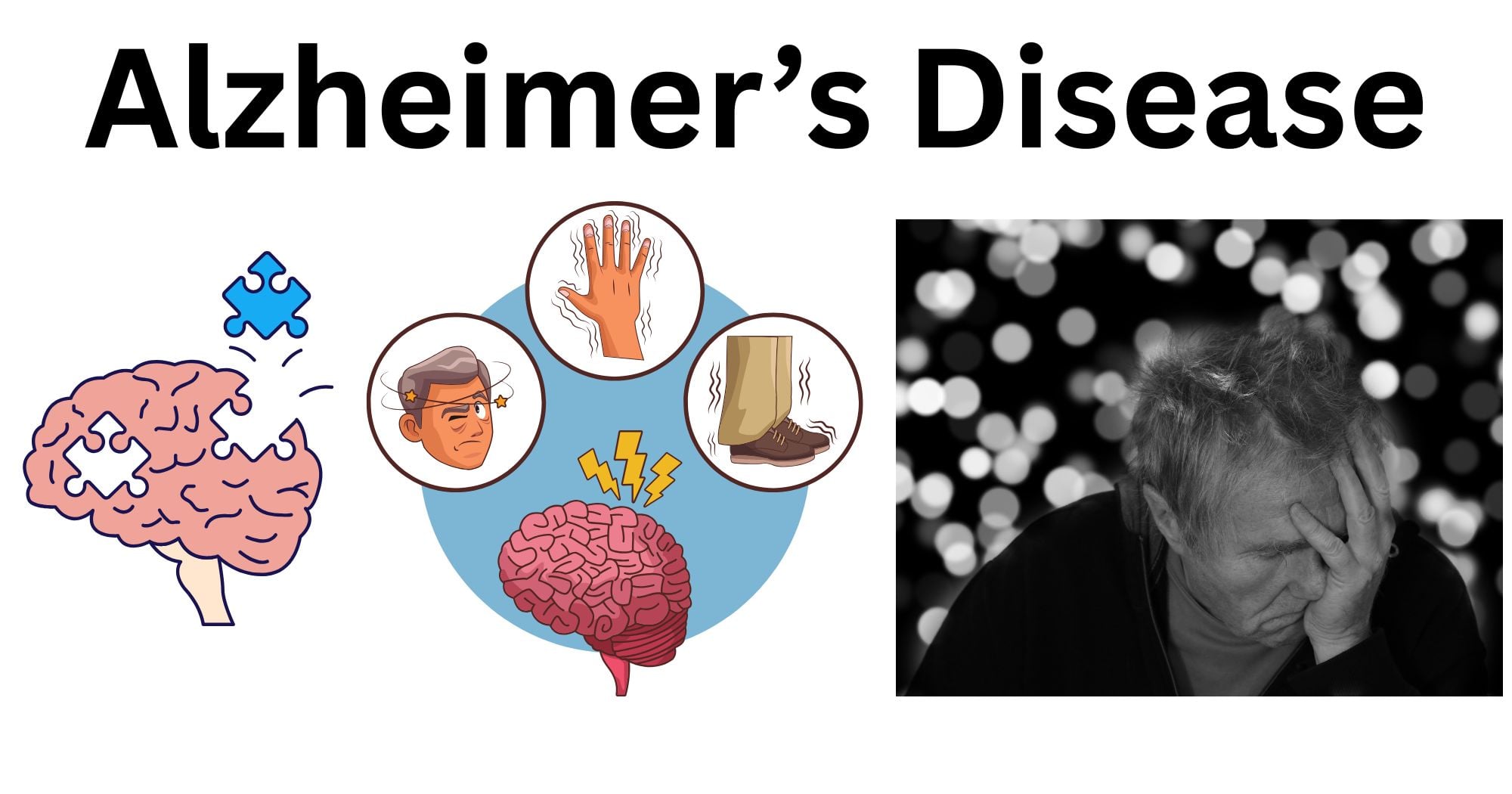
More than 55 million people in the world suffer from dementia, of which 60 to 70% have AD. People suffering from AD have poor judgment, confusion, language disturbance, agitation, withdrawal, and hallucinations.
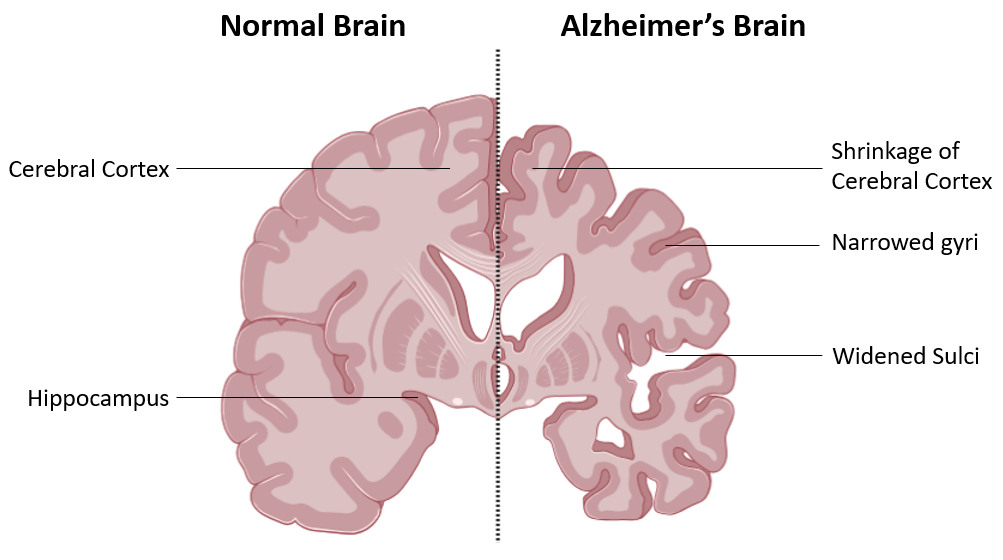
Causes of Alzheimer’s Disease
The main cause of Alzheimer’s disease is still unknown. It is known to be associated with pathological changes in the brain tissues, with the root cause being:
- Accumulation of the protein, amyloid B peptide (Aβ), because of its overproduction. This occurs because of the failure in the mechanism to clear the peptide.
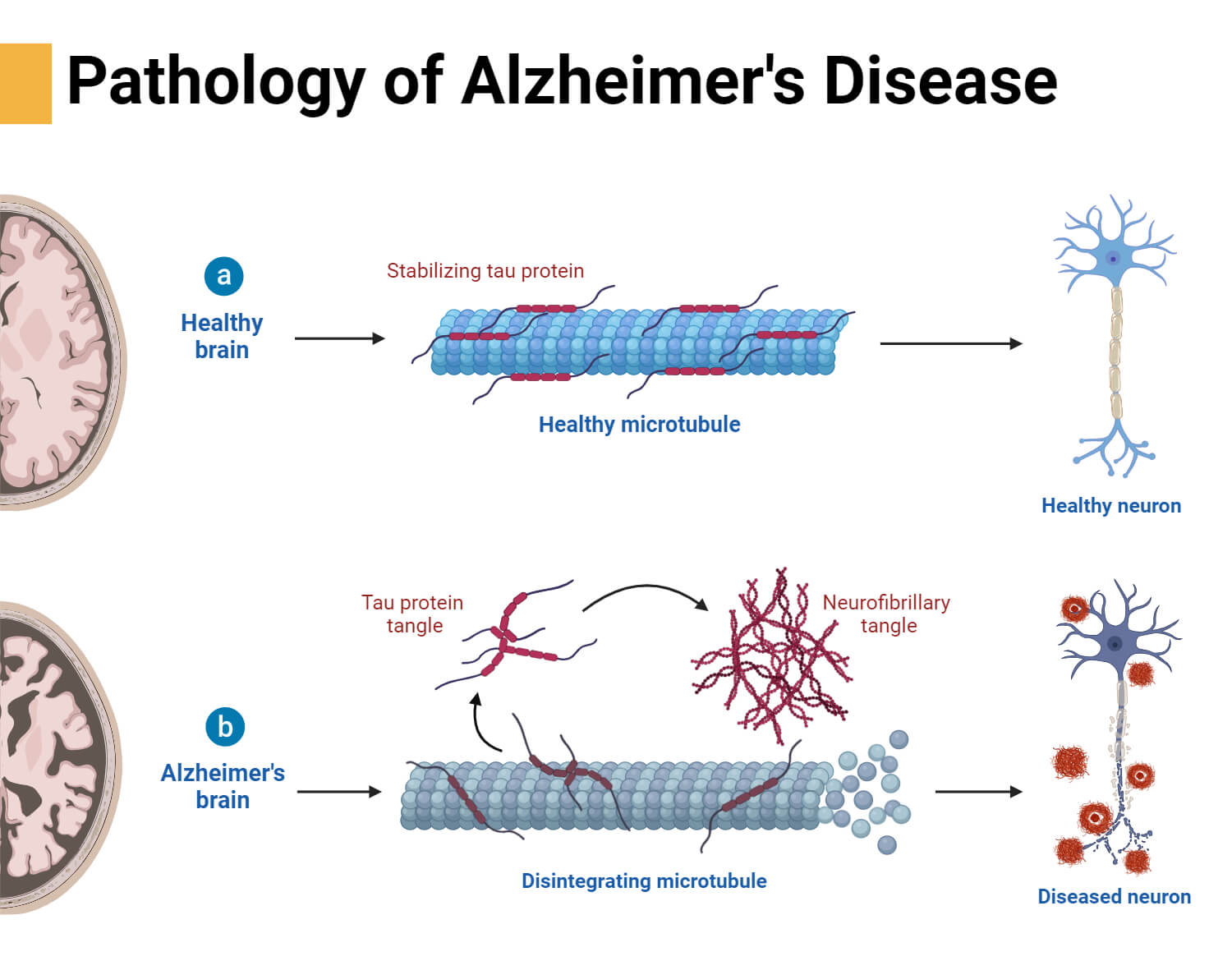
- Accumulation of intracellular neurofibrillary tangles due to hyperphosphorylated tau (τ) protein.
Accumulation of Amyloid Beta
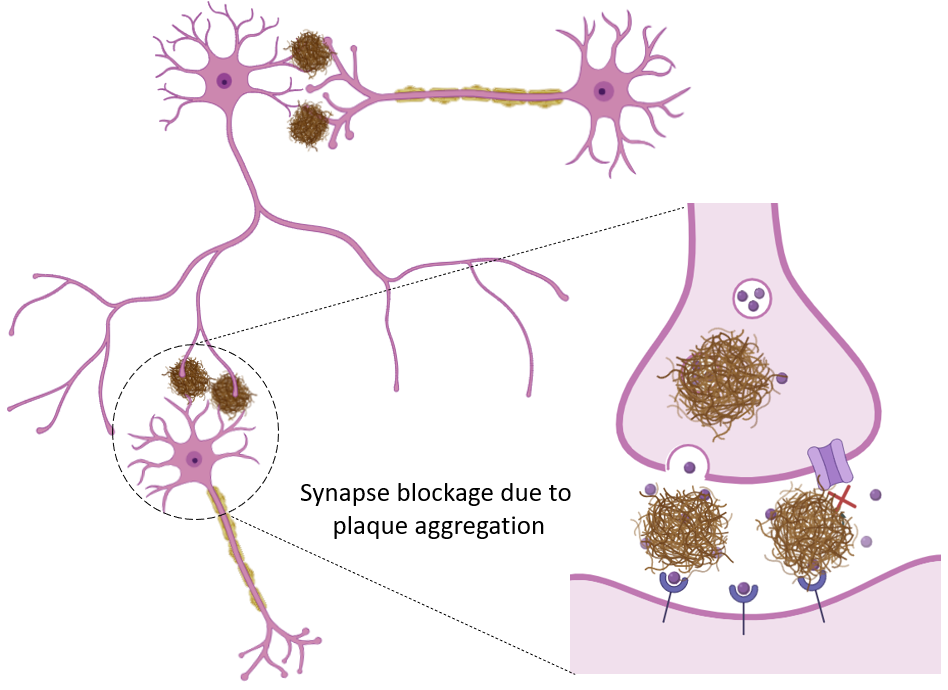
Amyloid beta (Aβ) is the main cause of amyloid plaques. In normal conditions, the protein is cleaved by the amyloid precursor protein (APP) for neuron growth and repair. However, its abnormal cleavage leads to an early onset of AD in the hippocampus and cortex regions of the brain. Abnormal Aβ is larger and can aggregate into oligomers of varying sizes. They diffuse and form neurotic plaques in the parenchyma and blood vessels, blocking synaptic activity. This also inhibits proteosome function, alters intracellular Ca2+ levels, stimulates inflammatory processes, and hampers mitochondrial activity, all of which are needed for optimal synapse.
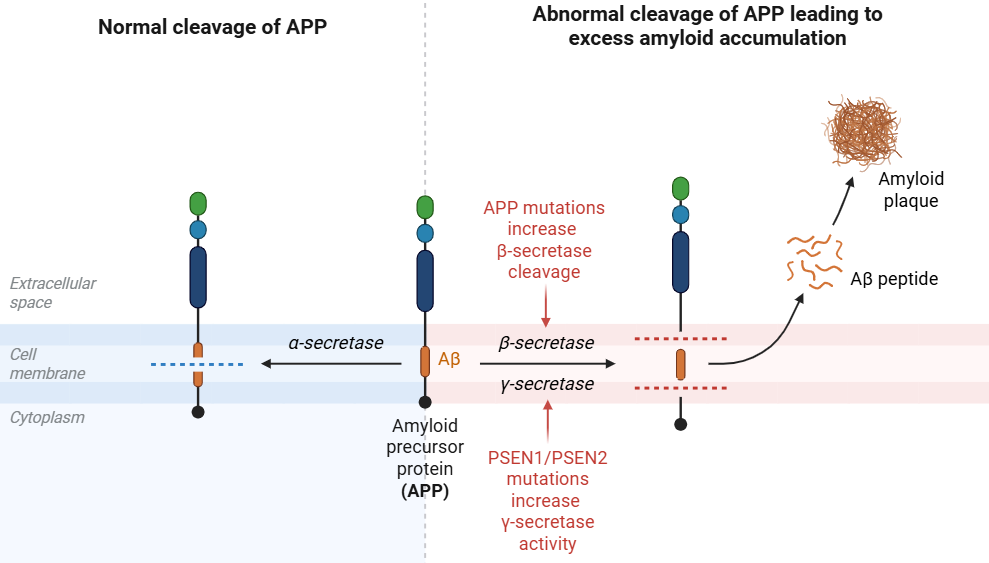
The malfunctioning of APP cleavage results from the missense mutation in APP. These mutations change an amino acid at sites 717 and 716, resulting in malfunctioning cleavage enzymes, β-secretase and γ-secretase.
Proteolytic processing of APP
APP is cleaved by three alternative cleavages that shed its ectodomain into the membrane.
α-secretase cleavage: This enzyme cuts the Aβ domain and prevents AB formation by producing a non-amyloidogenic (normal) product, which is unable to form pathogenic Aβ.
β-secretase cleavage: It cleaves the amino terminal of the Aβ-peptide. Mutations in APP can increase the cleavage of this enzyme.
γ-secretase cleavage: The resulting fragments from α-secretase and β-secretase remain in the membrane. The γ-secretase enzyme cleaves these remains.
The abnormal cleavage forms Aβ-protein (Aβ42), which accumulates, resulting in toxic and fibril aggregates. This leads to AD.
Accumulation of neurofibrillary tangles (NFL)
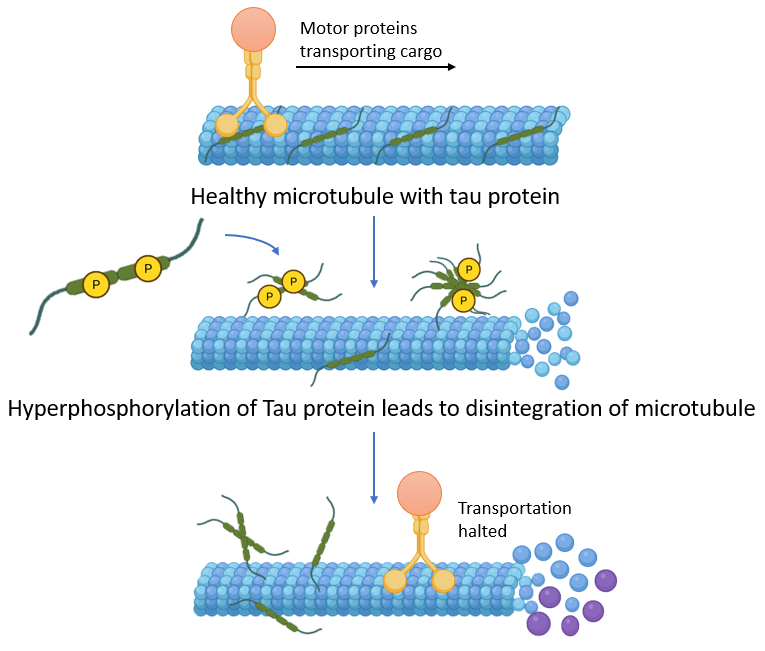
Aβ interacts with the signaling pathways that regulate the phosphorylation of the microtubule-associated τ protein. τ protein, found in cytosol and axons in neurons, is a member of microtubule-associated proteins. They maintain the assembly and stability of microtubules by promoting their polymerization and binding with tubulin. Hyperphosphorylation of the τ protein leads to the disintegration of microtubules. This hampers the transport of motor proteins, leading to the accumulation of neurofibrillary tangles (NFL). Normally, these tangles would be degraded; however, degradation is inhibited by the action of Aβ.
Genetic Risk Factors for Alzheimer’s disease
- Down Syndrome: The gene coding for APP is found on Chromosome 21. Individuals with Down syndrome have an extra copy of Chromosome 21. This results in increased expression of APP and can cause an early onset of AD.
- Presenlin-1 and Presenlin-2 (PSEN-1 and PSEN-2): Mutations in two genes, namely, presenlin-1 (PSEN-1) and presenlin-2 (PSEN-2), located on chromosomes 1 and 14, are also known to be associated with the early onset of AD. Presenilin genes encode for subunits that create γ-secretase. The genes encode the transmembrane proteins PSEN-1 (467 amino acids) and PSEN-2 (448 amino acids) in the neurons. These mutations affect the functioning of the Y-secretase enzyme, leading to improper cleavage of the AB monomer. This is responsible for the excessive production of AB42, which is prone to aggregate into senile plaques.
- Apolipoprotein E (ApoE): The Apolipoprotein E (ApoE) gene encodes for the protein, apolipoprotein E (APOE), which helps in transporting cholesterol and phospholipids throughout the body. They function as transporters of cholesterol and lipids in the brain. The Apo E gene comprises three alleles, E2, E3, and E4, which encode three apo E protein isomers, varying by two amino acid positions. A mutation in Apo E3 is the most common; however, all of the mutations are heritable. Inheriting an APO E4 gene from each parent increases the risk of developing AD.
Symptoms of Alzheimer’s disease
Alzheimer’s disease progresses gradually over several years. The rate of progression varies with the individual. The symptoms of Alzheimer’s disease can be divided into three main categories:
| Stages of Alzheimer’s | Major Symptoms | Consequences |
| Early Stage | Amnesia (memory loss) | – Difficulty in remembering recent conversations/events – Misplacing items in places that do not make sense – Forgetting the names of places, family members, and objects – Inability to reason, social withdrawal |
| Moderate Stage | Worsened amnesia | – Inability to solve problems – Loss of motor functions – Language deficits – Depression – Aggressive/Impulsive behavior |
| Advanced/Later Stage | – Dysphagia – Weight loss – Difficulty in changing position or moving – Entirely mute – Incontinent – Delusions/Hallucinations |
The AD progresses rapidly within 10 years of disease onset. Eventually, the person dies from cardiac arrest, pneumonia, and infection.
Diagnosis of Alzheimer’s disease
Clinical diagnosis of Alzheimer’s disease is based on the signs of gradual or slowly progressive dementia coupled with cerebral cortical atrophy in neuroimaging.
- Physical and neurological exam: Alzheimer’s is diagnosed with physical and neurological examination, which includes reflexes, muscle tone and strength, sense of sight and hearing, coordination, balance, etc. Similarly, the mental state of the patient is checked.
- Brain imaging: Magnetic resonance imaging (MRI) may show shrinkage in brain regions of individuals linked with AD. Similarly, Computerized tomography (CT) scans cross-sectional images of the brain, ruling out tumors, strokes, and head injuries.
- Positron Emission Tomography (PET): A Fluorodeoxyglucose (FDG) PET scan can reveal areas of the brain that have not received sufficient nutrition. Finding such patterns can distinguish an Alzheimer’s brain from other types of dementia. Moreover, amyloid PET imaging and Tau PET imaging can measure the amyloid plaques and neurofibrillary tangles in the brain, respectively.
Other diagnostic tools may involve the determination of amyloid and tau proteins in the cerebrospinal fluid. A biomarker test can involve the measurement of biological signs of disease in the brain.
Treatment of Alzheimer’s disease
Alzheimer’s disease can be treated with medications that slow the progression of the disorder. These include:
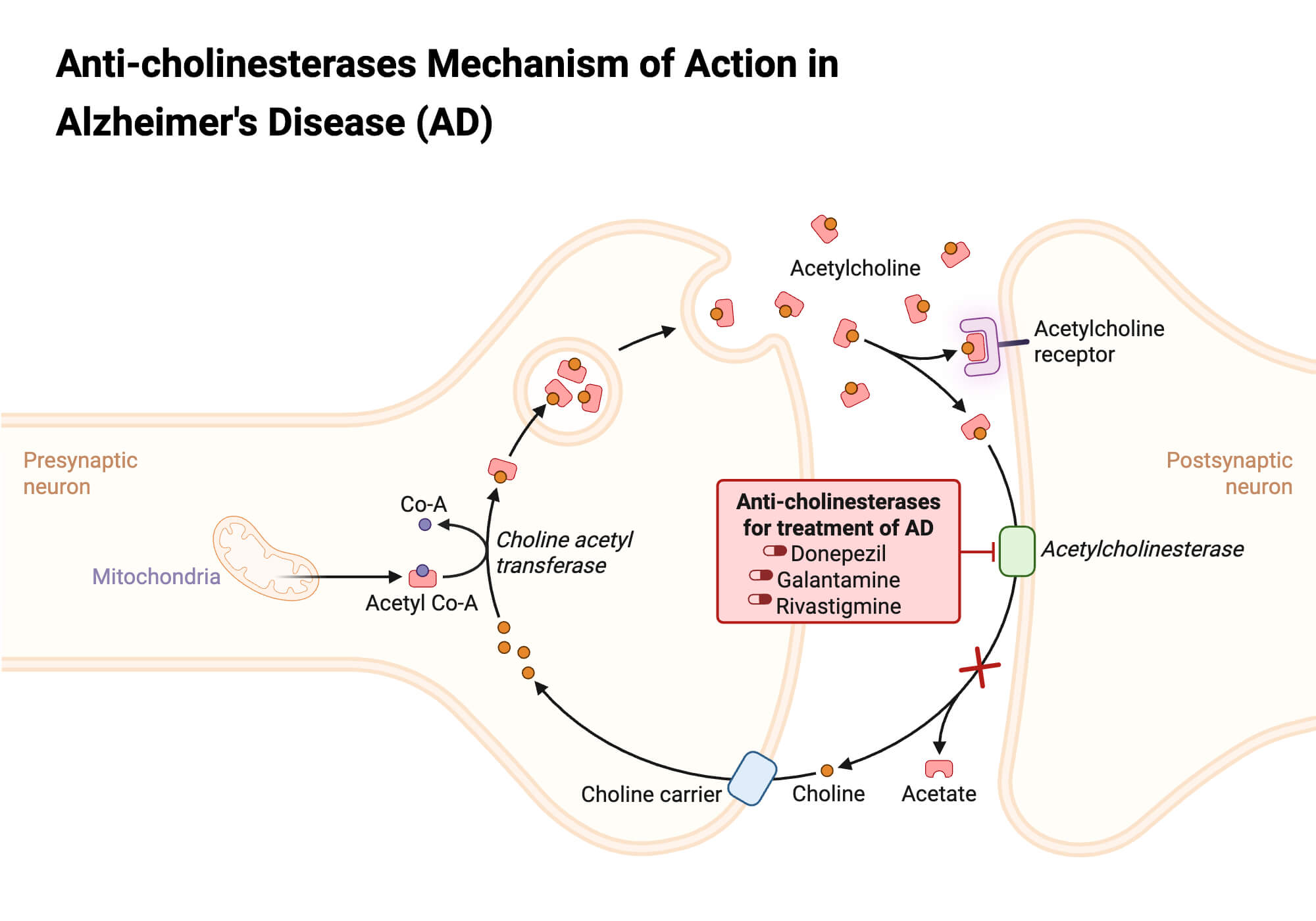
- Cholinesterase inhibitor: A cholinesterase inhibitor is a class of medications that block the action of cholinesterase, an enzyme that breaks down acetylcholine. This leads to an increase in the neurotransmitter acetylcholine, leading to improved memory and reduced risk of behavior changes. Donepezil, galantamine, and rivastigmine are a few cholinesterase inhibitors.
- NMDA antagonists: N-methyl-D-aspartate (NMDA) is a glutamate receptor that contributes to memory formation, learning, and synaptic plasticity. Individuals with AD are known to have overactivity of the NMDA receptor. NMDA antagonists, like memantine, are chemicals that mimic the binding to NMDA receptors. This mitigates the effects of excessive NMDA receptor activation, improving cognitive function.
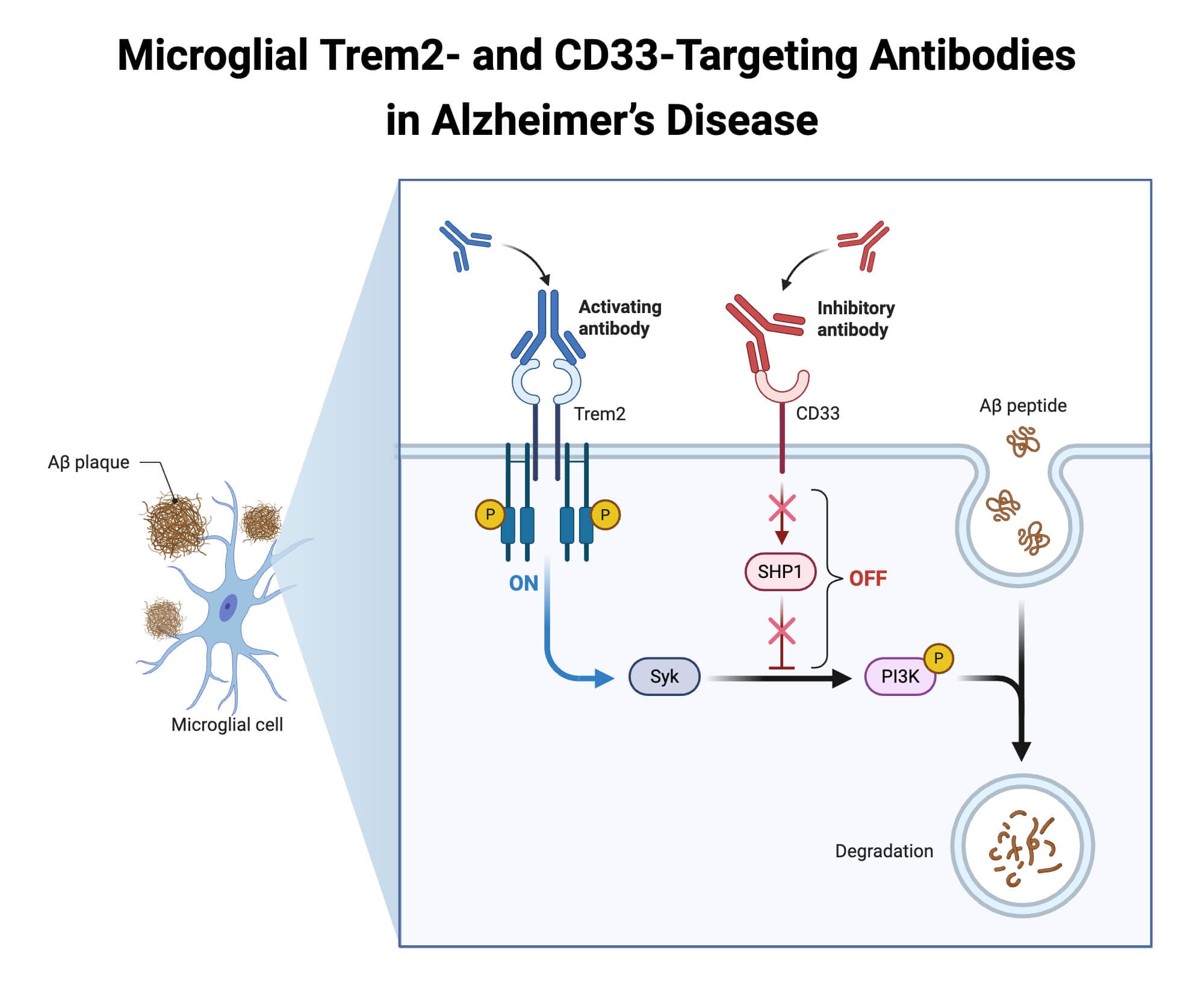
- Monoclonal antibodies: Monoclonal antibodies such as lecanemab and donanemab instruct the body’s immune system to target and destroy amyloid proteins and their aggregated plaques, respectively.
Similarly, medications such as antidepressants, antipsychotics, and antiseizure medications can treat the side effects of AD.
Prevention and Management of Alzheimer’s disease
The risk factors of Alzheimer’s, such as age and genetics, cannot be prevented; however, maintaining a healthy lifestyle can reduce the risk of conditions such as high blood pressure, type 2 diabetes, and stroke. The prevention and management of AD include:
- Exercise and physical activities can increase blood flow and oxygen in the brain, improving neuron activity. Similarly, engaging in mentally challenging activities improves overall health. This manages cardiovascular health, which prevents high blood pressure.
- A healthy diet and intake of nutrients improve brain function and overall health. This means lowering sugar intake and consuming fruits, vegetables, and grains, reducing the risk of type 2 diabetes.
- Treatment of hearing disabilities has been known to delay Alzheimer’s progression.
- Avoiding or limiting the use of tobacco and alcohol can reduce the risk of high blood pressure, stroke, and diabetes, which are risk factors of AD.
References
- Alzheimer’s Disease Fact Sheet. (2023, April 5). National Institute on Aging. https://www.nia.nih.gov/health/alzheimers-and-dementia/alzheimers-disease-fact-sheet
- Alzheimer’s disease—Symptoms and causes. (n.d.). Mayo Clinic. Retrieved May 6, 2025, from https://www.mayoclinic.org/diseases-conditions/alzheimers-disease/symptoms-causes/syc-20350447
- Breijyeh, Z., & Karaman, R. (2020). Comprehensive Review on Alzheimer’s Disease: Causes and Treatment. Molecules (Basel, Switzerland), 25(24), 5789. https://doi.org/10.3390/molecules25245789
- CDC. (2024, October 25). Reducing Risk for Dementia. Alzheimer’s Disease and Dementia. https://www.cdc.gov/alzheimers-dementia/prevention/index.html
- Chen, G., Xu, T., Yan, Y., Zhou, Y., Jiang, Y., Melcher, K., & Xu, H. E. (2017). Amyloid beta: Structure, biology, and structure-based therapeutic development. Acta Pharmacologica Sinica, 38(9), 1205–1235. https://doi.org/10.1038/aps.2017.28
- Emrani, S., Arain, H. A., DeMarshall, C., & Nuriel, T. (2020). APOE4 is associated with cognitive and pathological heterogeneity in patients with Alzheimer’s disease: A systematic review. Alzheimer’s Research & Therapy, 12(1), 141. https://doi.org/10.1186/s13195-020-00712-4
- What Is Alzheimer’s Disease? (2025, March 4). National Institute on Aging. https://www.nia.nih.gov/health/alzheimers-and-dementia/what-alzheimers-disease
