
Parkinson’s disease (PD) is a neurodegenerative disorder that causes nerve cells (neurons) in a portion of the brain to weaken, become disrupted, and die.
This leads to difficulty in movement, stiffness, tremor, and impaired balance. Individuals suffering from PD have problems with walking, talking, or completing simple tasks.
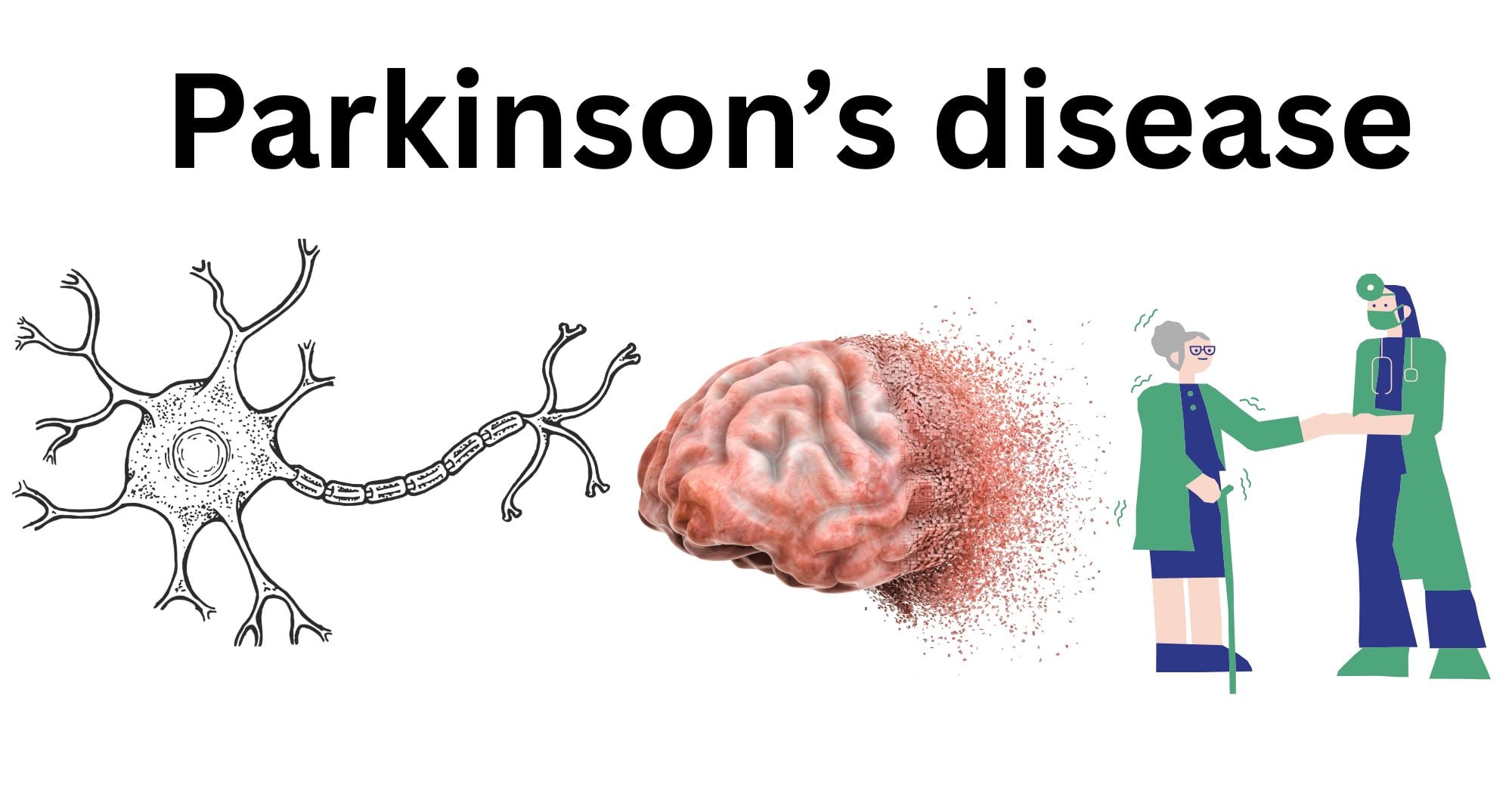
Globally, more than 10 million people are estimated to be living with Parkinson’s. The disorder affects 3% of the population by the age of 65 and up to 5% of the population over 85 years.
Causes of Parkinson’s disease
The cause of Parkinson’s disease (PD) cannot be pinpointed; however, it is believed that the disorder results from the combination of genetic and environmental factors. Most of the cases are sporadic, meaning that their cause is unknown. Only 10% are inherited, carrying disease-causing mutations.
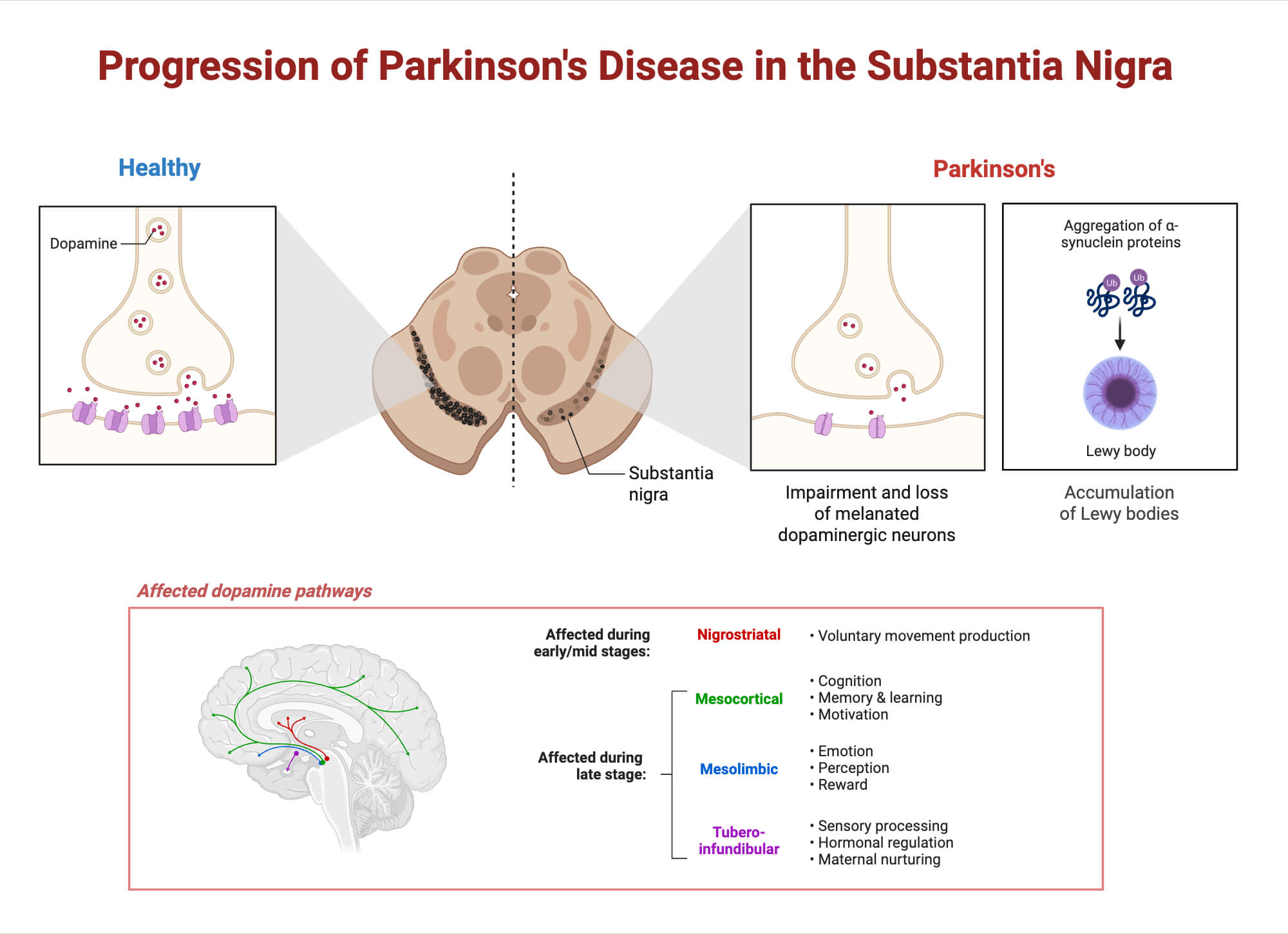
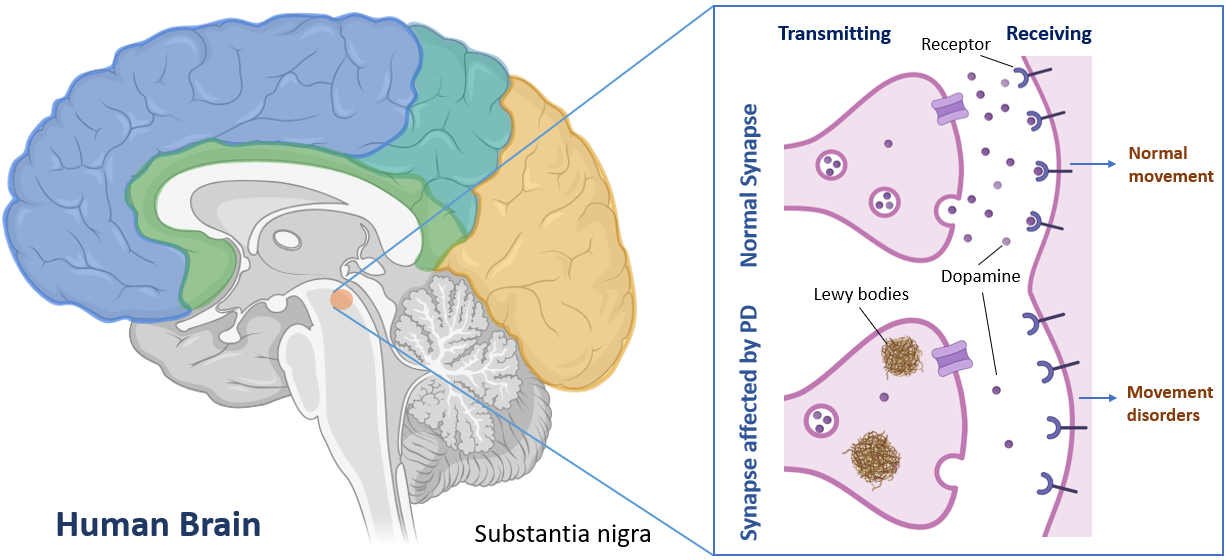
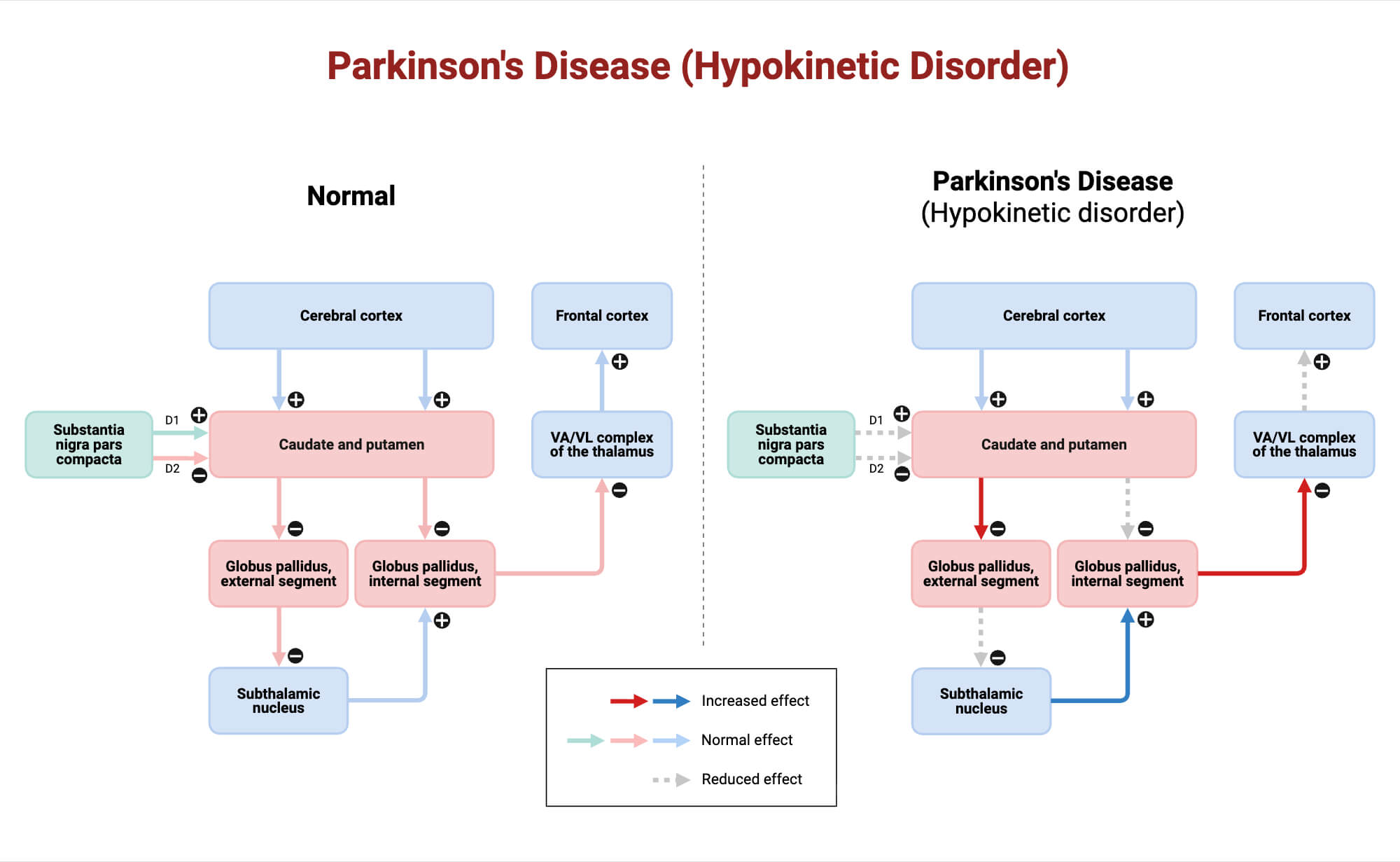
- In Parkinson’s disease, individuals suffer from the progressive loss of dopaminergic neurons in an area near the base of the brain called the substantia nigra. Normally, these neural cells in the area produce the neurotransmitter dopamine, which transmits signals to produce movements. The substantial absence of dopamine results in impaired motor functions.
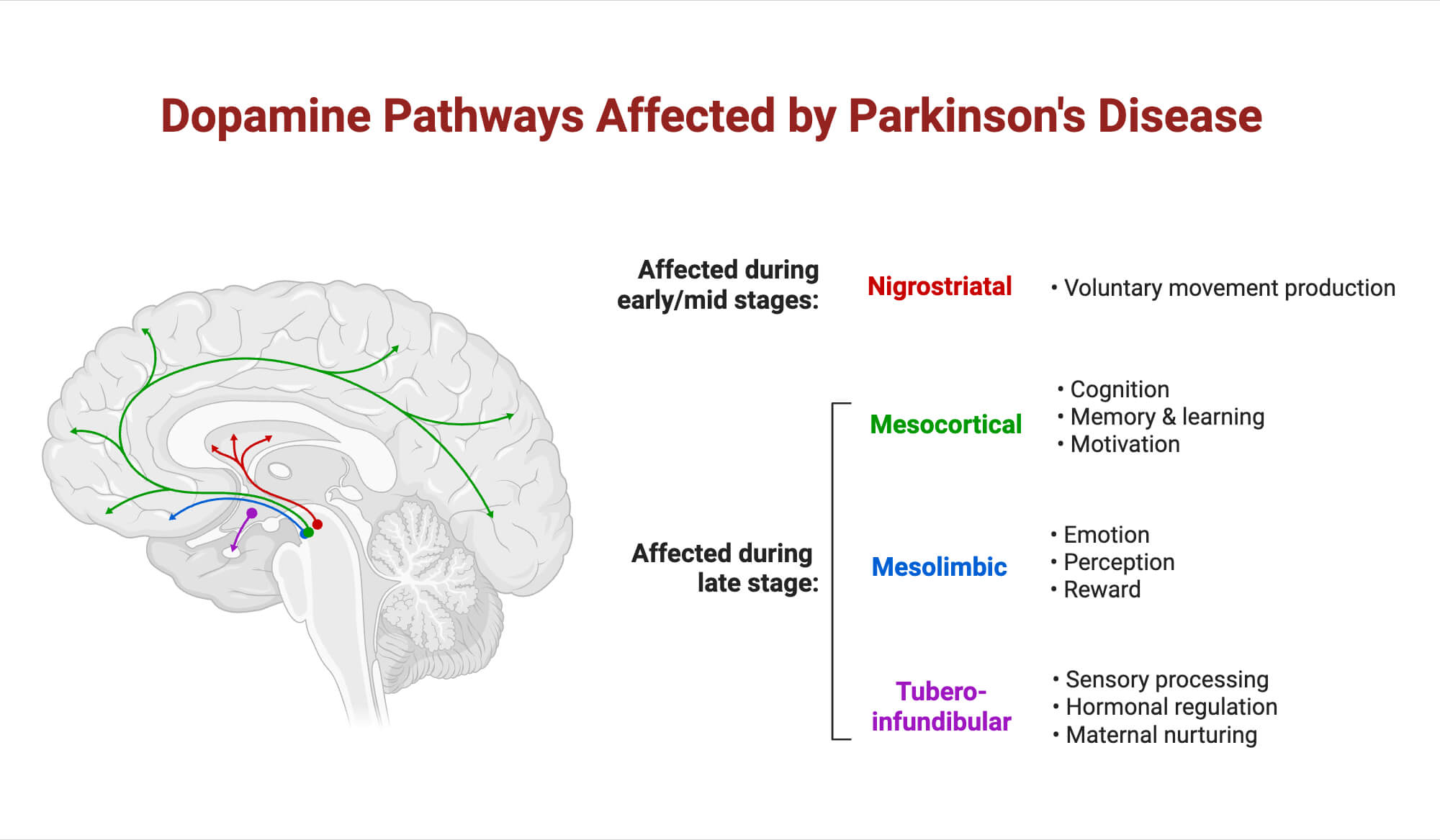
- Similarly, people with Parkinson’s disease (PD) also lose the nerve ending that produces another neurotransmitter, norepinephrine. Norepinephrine controls many automatic functions in the body, such as blood pressure and heartbeat. The loss of the neurotransmitter contributes to the non-motor symptoms in the body.
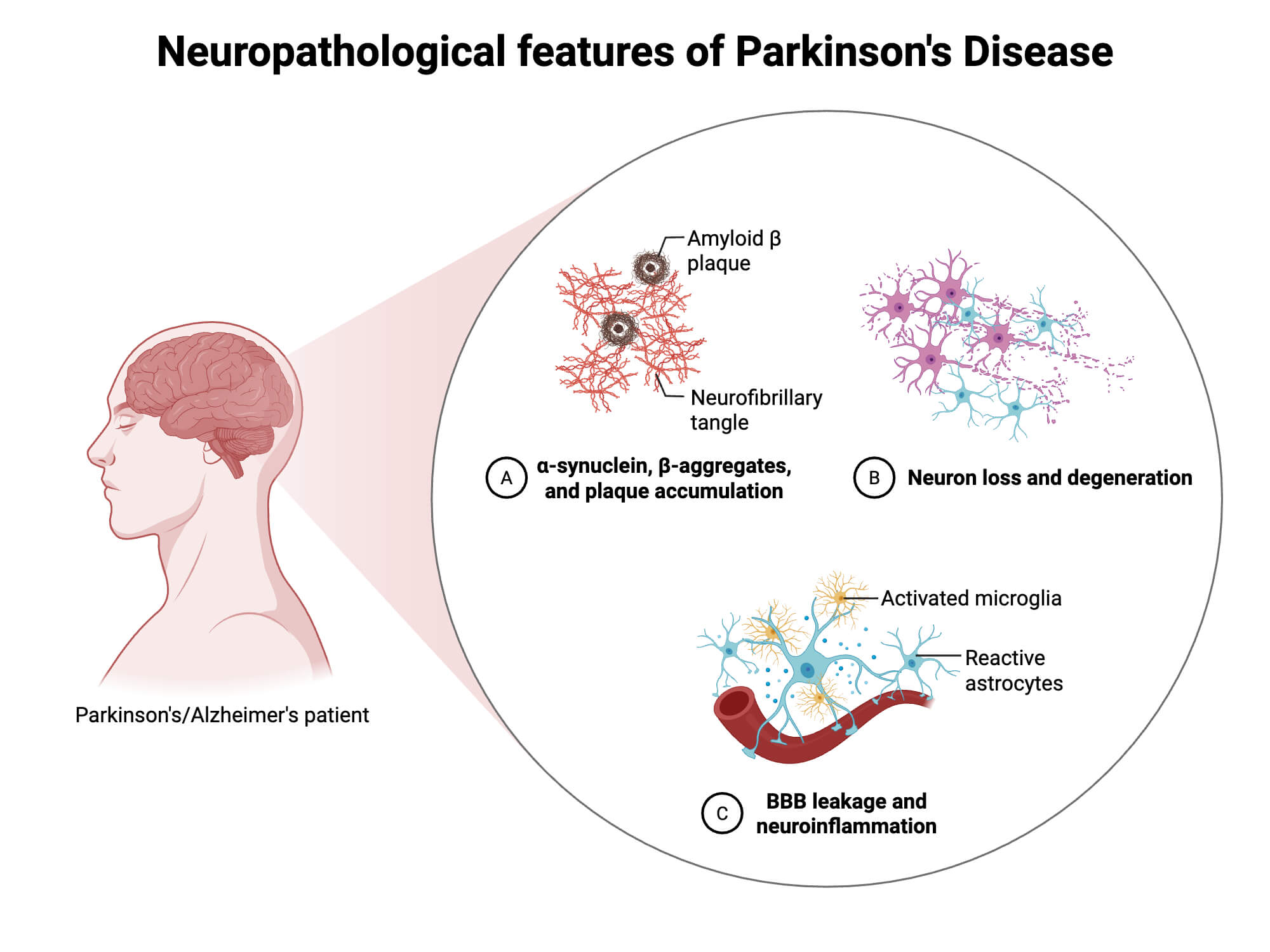
- Parkinson’s disease is also associated with unusual clumps of the protein, alpha-synuclein, in the cytoplasm of surviving neurons. These aggregates are termed Lewy bodies.
Genetic Causes
The malfunction of several genes has been documented to be associated with Parkinson’s disease (PD):
- SNCA gene: Alpha synuclein (SNCA) gene encodes the alpha-synuclein (aSyn) protein in humans. This neuronal protein regulates synaptic vesicles and is abundant in the brain. Mutations or duplications of this gene can lead to abnormal aSyn formation, which can be linked with neurodegenerative diseases such as Parkinson’s disease. The abnormal protein aggregates and form clumps in the brain.
- LRRK2 gene: Leucin-rich repeat kinase 2, or LRRK2 gene, encodes a large protein called Dardarin, active in the brain and other tissues throughout the body. The kinase protein has a GTPase activity and functions to transfer phosphate groups to other proteins. Variation in the LRRK2 gene affects the clumping of abnormal aSyn.
- PINK1: PINK1 protein is responsible for the detection of damaged mitochondria and tagging them for removal. The protein is encoded by the PARK6 gene. In a healthy person, when mitochondria are damaged, PINK1 accumulates on the mitochondrial membranes and signals a small protein, ubiquitin, to tag and remove the disrupted organelle. Individuals with PD have mutated PINK1, leading to aggregation of impaired mitochondria, i.e., building up cellular stress. This can cause the early onset of PD.
- PRKN (Parkin): The PRKN (Parkin) gene, like PINK1, is associated with breaking down or recycling unwanted proteins via encoding the parkin protein. The parkin protein acts a ubiquitin ligase, attaching to the tags and signaling its breakdown via the proteosome. Mutations in the parkin gene can lead to autosomal recessive Parkinson’s disease.
- DJ-1: Parkinson’s disease protein 7, or DJ-1, is also encoded by the PARK7 gene. The small dimer protein plays roles in scavenging reactive oxygen species (ROS), maintaining redox homeostasis, and protecting mitochondria. Mutations lead to its malfunction and cause neurodegenerative diseases such as PD.
- GBA gene: The glucocerebrosidase-beta or GBA gene encodes for the lysosomal enzyme glucocerebrosidase (GCase), which regulates glycosphingolipid homeostasis. Mutations in this gene cause a lysosomal storage disorder, known as Gaucher disease. About 10-15% of people with PD have a GBA mutation, causing severe and rapid progression of motor and non-motor symptoms.
Symptoms of Parkinson’s disease
The symptoms of Parkinson’s disease (PD) vary among people. The disease progression depends upon the individual. It begins on one side of the body and gradually progresses to the other. There are primarily four major symptoms of Parkinson’s disease (PD), which are as follows:
- Tremor (shaking): People suffering from PD have a rhythmic tremor that initiates in the hands, feet, or jaw. This becomes evident when the person is at rest or when they are under stress. The tremor vanishes while sleeping and may improve when the person does an intended movement.
- Rigidity (muscle stiffness): Patients have tight and tense muscles, making their bodies ache or stiff. This can be observed when a person tries to move the individual’s arm. The arms will move slowly and jerkily, a movement known as “cogwheel rigidity”.
- Bradykinesia: Bradykinesia is the spontaneous slowing down of automated movements. This disrupts simple activities that can normally be performed quickly and easily. The person also becomes less expressive.
- Postural instability: The disease progression can lead to balance and changes in posture.
Patients also often develop a “Parkinsonian gait”, a tendency to occasionally lean forward, walk with small, quick steps, and reduce swinging in one or both arms. They frequently hesitate and halt suddenly, freezing in place. In rare cases, Parkinsonian symptoms may also appear as early as the age of 20, a condition known as juvenile Parkinsonism.
Complications related to Parkinson’s disease
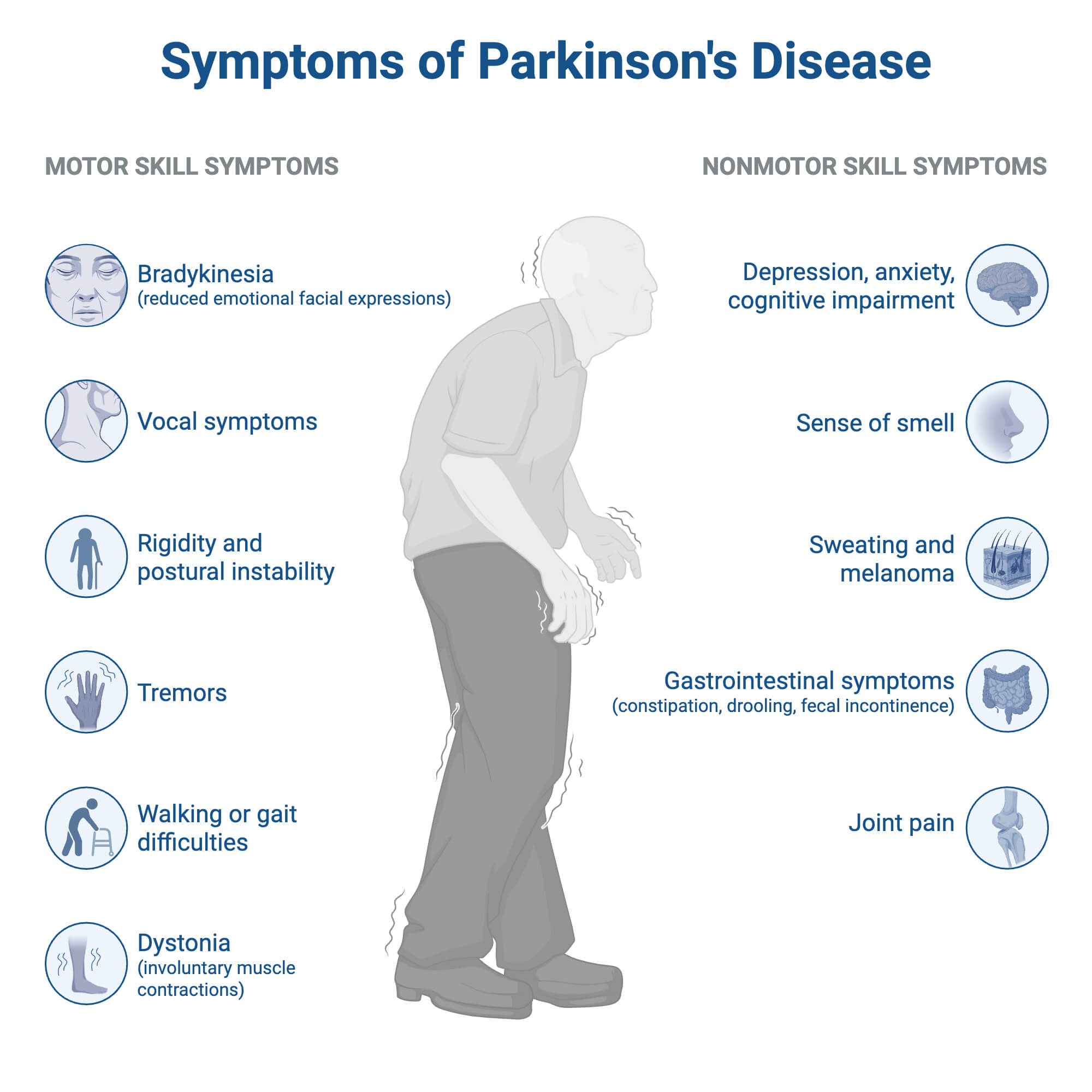
The dampening of motor activities in Parkinson’s disease (PD) results in non-motor symptoms, making the individual’s life miserable. A few complications related to PD are:
- Mental health problems: Depression or anxiety occur at the early stage of PD.
- Difficulty in speech: Patients speak quietly or in a monotonous way. Some also hesitate before speaking, and others may speak fast or slurry.
- Skin problems: They have increased facial oil secretion on the sides of the nose and the forehead. The skin can become very dry because of excessive sweating.
- Sleep problems: Sleep problems are common in PD because of the disruption of the circadian rhythm. Patients have restless sleep, nightmares, and emotionally charged dreams. They are drowsy and suddenly fall asleep during the day. Rapid Eye Movement (REM) disorder also makes them act out in their dreams, which may cause injury to themselves or their partners.
- Dementia: They may develop memory or cognitive problems with the onset of slow thinking. This becomes intense with the disease progression.
- Difficulty in swallowing and chewing: During the later stages of PD, the individual becomes unable to swallow or chew food. Food and saliva may collect in the mouth and the back of the throat, resulting in choking or even drowning.
- Pain related to muscle cramps and dystonia: The rigidity and lack of movement lead to muscle cramps, particularly in the legs and toes. This triggers dystonia, sustained muscle contractions causing forced or twisted abnormal postures.
- Fatigue: The patients become extremely fatigued as a result of difficulty in carrying out movements.
Risk Factors of Parkinson’s Disease
The risk factors of Parkinson’s disease (PD) include the following:
- Age: The risk of Parkinson’s increases as people age. Normally, people around the age of mid-60s are more prone. However, this can be as early as before the age of 50.
- Heredity: In a few cases, PD is inherited, in which people with one or more relatives who have PD have a higher risk of developing the disease themselves.
- Biological Sex: Parkinson’s is more evident in males than in females. The risk is twice as high in men as in women, but the latter have a higher rate of mortality and faster progression.
- Environment: Parkinson’s is most prominent with chronic stress. Individuals with high job demand are at risk. Moreover, the population in rural areas where pesticides are commonly used is more likely to be affected. Toxins such as MPTP, an illicit drug, or manganese in metal welders are at higher risk.
Diagnosis of Parkinson’s disease
The early diagnosis of Parkinson’s disease (PD) does not exist as of now. No blood or laboratory tests can diagnose the non-genetic cases of PD. The identification is done through the patient’s medical history of progressive symptoms and neurological examinations. In early stages, Parkinsonian disorders, such as dementia with Lewy bodies and multiple system atrophy, are often misdiagnosed as Parkinson’s. This causes medical interventions to be flawed; therefore, a more accurate diagnosis has yet to be developed.
Treatments of Parkinson’s disease
Although the cure for Parkinson’s disease (PD) has not yet been found, its symptoms can be managed through medications, surgery, and a therapeutic lifestyle.
Medication
Medications for Parkinson’s disease (PD) are grouped into three main categories based on their mechanism to relieve Parkinson’s symptoms:
- By increasing the level of dopamine in the brain
- By affecting other neurotransmitters to help mitigate the symptoms
- By controlling non-motor symptoms
A few of the major medications for Parkinson’s disease (PD) are:
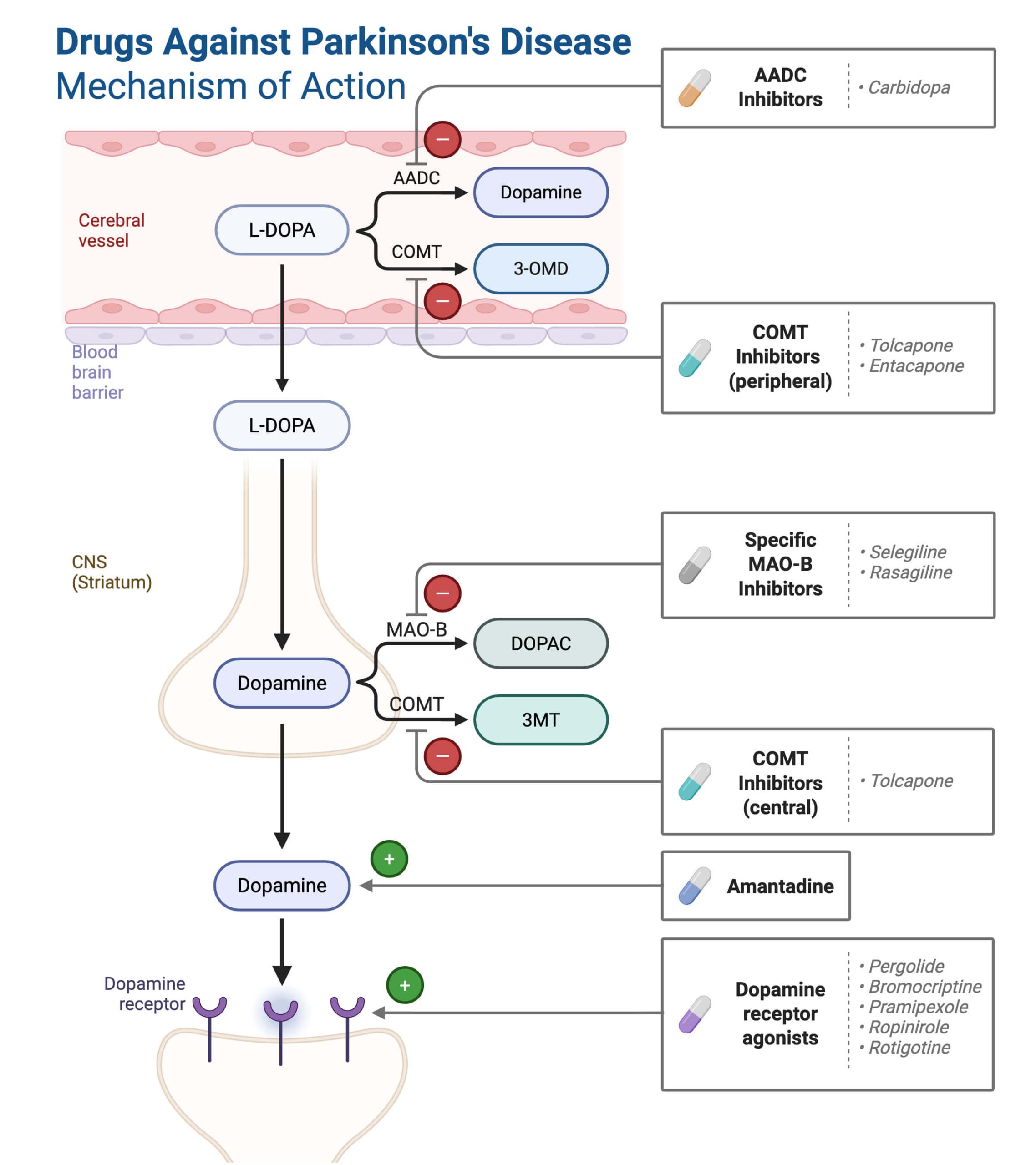
- Levodopa: The main medication for PD is a dopamine precursor drug, known as levodopa. This drug is taken throughout life and is converted to dopamine by the enzyme aromatic L-amino acid decarboxylase (AADC). The medicine can cross the blood-brain barrier, a protective lining of cells inside blood vessels that regulates the transfer of oxygen and nutrition to the brain. Levodopa helps neurons replenish dopamine in the brain. Another drug called carbidopa is complemented with levodopa (levodopa-carbidopa). This combination prevents the conversion of levodopa to dopamine outside of the brain. It also helps mitigate levodopa side effects, such as vomiting, nausea, low blood pressure, and restlessness.
- Dopamine agonists: Agonists are compounds that mimic the binding substrate. Dopamine agonists bind to dopamine receptors in the brain. They are often used with Levodopa at the early stages of PD.
- Enzyme inhibitors: Several dopamine-degrading enzymes degrade the neurotransmitter in the brain to prevent its excessive accumulation. Inhibitor drugs such as MAO-B (monoamine oxidase B) and COMT (catechol-O-methyltransferase) inhibitors slow those enzymes, thereby enhancing dopamine levels in surviving neurons.
- Anticholinergic drugs: Benztropine, trihexyphenidyl, and ethopropazine decrease the activity of the neurotransmitter acetylcholine. This can help reduce muscle rigidity and tremors.
- Amantadine: Amantadine is an antiviral drug with dopamine agonist properties. The drug reduces involuntary movements in the early stages of PD.
Surgery
Surgical procedures are advised for people who do not respond well to the medicines. Two surgery options proposed:
Lesion surgery: Lesion surgery involves the destruction of specific parts of the brain that contribute to PD. To elaborate, in a surgery called pallidotomy, the globus pallidus is selectively destroyed, improving rigidity, tremor, and bradykinesia symptoms. As the procedure can leave permanent damage to the brain, these treatment methods have been replaced with deep-brain stimulation.
Deep Brain Stimulation: This surgery, known as subthalamic nucleus deep brain stimulation (STN DBS), shows a promising therapeutic role for the management of motor symptoms of PD. A stimulating electrode is implanted in a part of the brain, which painlessly stimulates certain areas that govern movement. This electrode is connected to a small pulse generator in the chest, which delivers precisely regulated signals to the electrodes via wires under the skin. The machinery blocks signals associated with PD symptoms, reducing tremors, rigidity, and slowness.
Other therapies
- Therapies such as physical, occupational, and speech can help with voice disorders, unwanted movements, and rigidity, slowing the pace of mental degradation.
- Exercises are recommended to strengthen and improve flexibility and coordination.
- Massage therapies and meditations can reduce tension and improve well-being.
- A healthy diet can promote general well-being. Likewise, eating a fiber-rich food and drinking plenty of fluids minimizes the absorption of levodopa, giving a more lasting impact of the drug.
Disclaimer: The information presented on the website is only for academic, study, and general information purposes. The information presented on the website must not be used for the purpose of medical advice, diagnosis, or treatment. If you are not feeling well, please consult with your physician or doctor, or qualified health care providers.
References
- Cerri, S., Mus, L., & Blandini, F. (n.d.). Parkinson’s Disease in Women and Men: What’s the Difference? Journal of Parkinson’s Disease, 9(3), 501–515. https://doi.org/10.3233/JPD-191683
- hansen.h. (2025, March 13). Scientists solve decades-long Parkinson’s mystery. WEHI. https://www.wehi.edu.au/news/scientists-solve-decades-long-parkinsons-mystery/
- Parkinson’s Disease: Causes, Symptoms, and Treatments. (2022, April 14). National Institute on Aging. https://www.nia.nih.gov/health/parkinsons-disease/parkinsons-disease-causes-symptoms-and-treatments
- Parkinson’s Disease: What It Is, Causes, Symptoms & Treatment. (n.d.-b). Cleveland Clinic. Retrieved May 3, 2025, from https://my.clevelandclinic.org/health/diseases/8525-parkinsons-disease-an-overview
- Pathophysiology of Parkinson’s Disease | ATrain Education. (n.d.). Retrieved May 3, 2025, from https://www.atrainceu.com/content/2-pathophysiology-parkinson%E2%80%99s-disease
- Sivanandy, P., Leey, T. C., Xiang, T. C., Ling, T. C., Wey Han, S. A., Semilan, S. L. A., & Hong, P. K. (2021). Systematic Review on Parkinson’s Disease Medications, Emphasizing on Three Recently Approved Drugs to Control Parkinson’s Symptoms. International Journal of Environmental Research and Public Health, 19(1), 364. https://doi.org/10.3390/ijerph19010364
- Statistics | Parkinson’s Foundation. (n.d.). Retrieved May 3, 2025, from https://www.parkinson.org/understanding-parkinsons/statistics
