
In addition to being the building blocks of protein, amino acids play many roles in human health. They help to support immunity, play a role in metabolism, aid in the production of neurotransmitters, and supply the molecular building blocks that are needed for growth and maintenance of the cell. Dietary protein quality is a critical part of nutrition because the human body can produce many amino acids but it needs to obtain the rest through the diet ( Wu, 2010).
Understanding the difference between essential and non-essential amino acids clarifies the importance of a balanced diet. It also demonstrates an important nutritional principle: an amino acid that can normally be synthesized by the body might become limiting if the demand for it is increased or its synthesis is reduced (Hou & Wu, 2017).
What are Amino Acids?
An amino acid is an organic compound which contains an amino group, a carboxyl group, a variable side chain, and a central carbon atom. They are distinguished by their side chains, which affect their chemical properties, including protein folding, interaction with other proteins, and biological functions. There are hundreds of known amino acids, of which 20 are the ones which are typically found in human proteins (Watford & Wu, 2018).
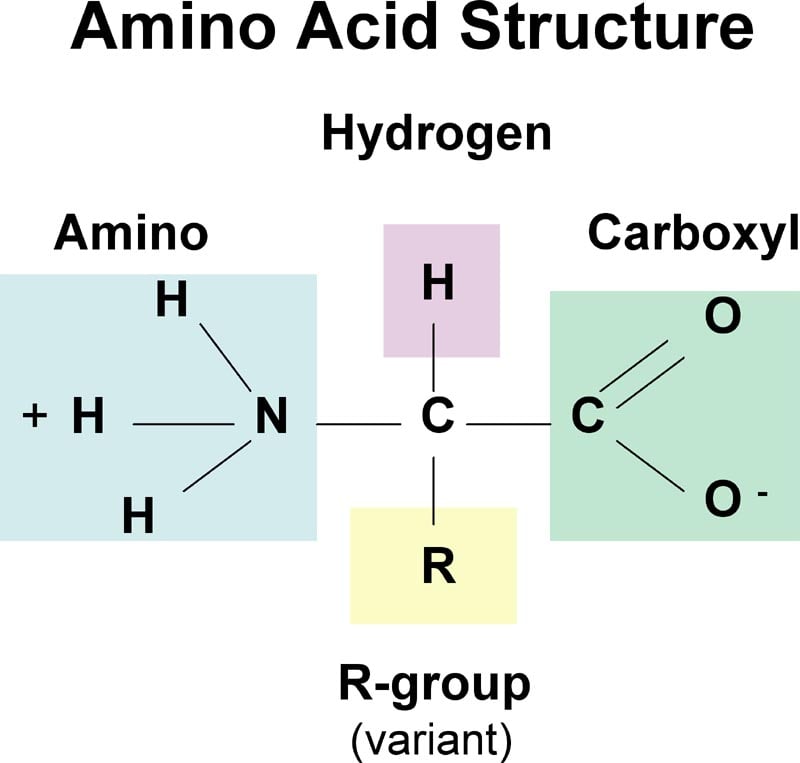
These molecules are linked together to make polypeptide chains by forming peptide bonds. The structure and the function of a protein depends on the sequence of amino acids. In addition to their role in protein synthesis, amino acids are involved in energy production, transportation of nitrogen, production of hormones, and various metabolic pathways (Wu et al., 2014).
Essential vs. Non-Essential Amino Acids
The distinction between essential and non-essential amino acids depends primarily on the body’s capacity to synthesize them in sufficient quantities.
Essential amino acids (EAAs) cannot be produced by the human body at a rate sufficient to meet physiological requirements. Consequently, they must be obtained through the diet.
Non-essential amino acids (NEAAs) can generally be synthesized internally from other metabolic intermediates. However, non-essential does not mean unimportant or unnecessary in food. Their synthesis can become inadequate during illness, rapid growth, or other demanding physiological conditions (Hou et al., 2015).
Amino acid classification therefore reflects nutritional requirements rather than biological importance. Both groups are indispensable for maintaining normal physiological functions.
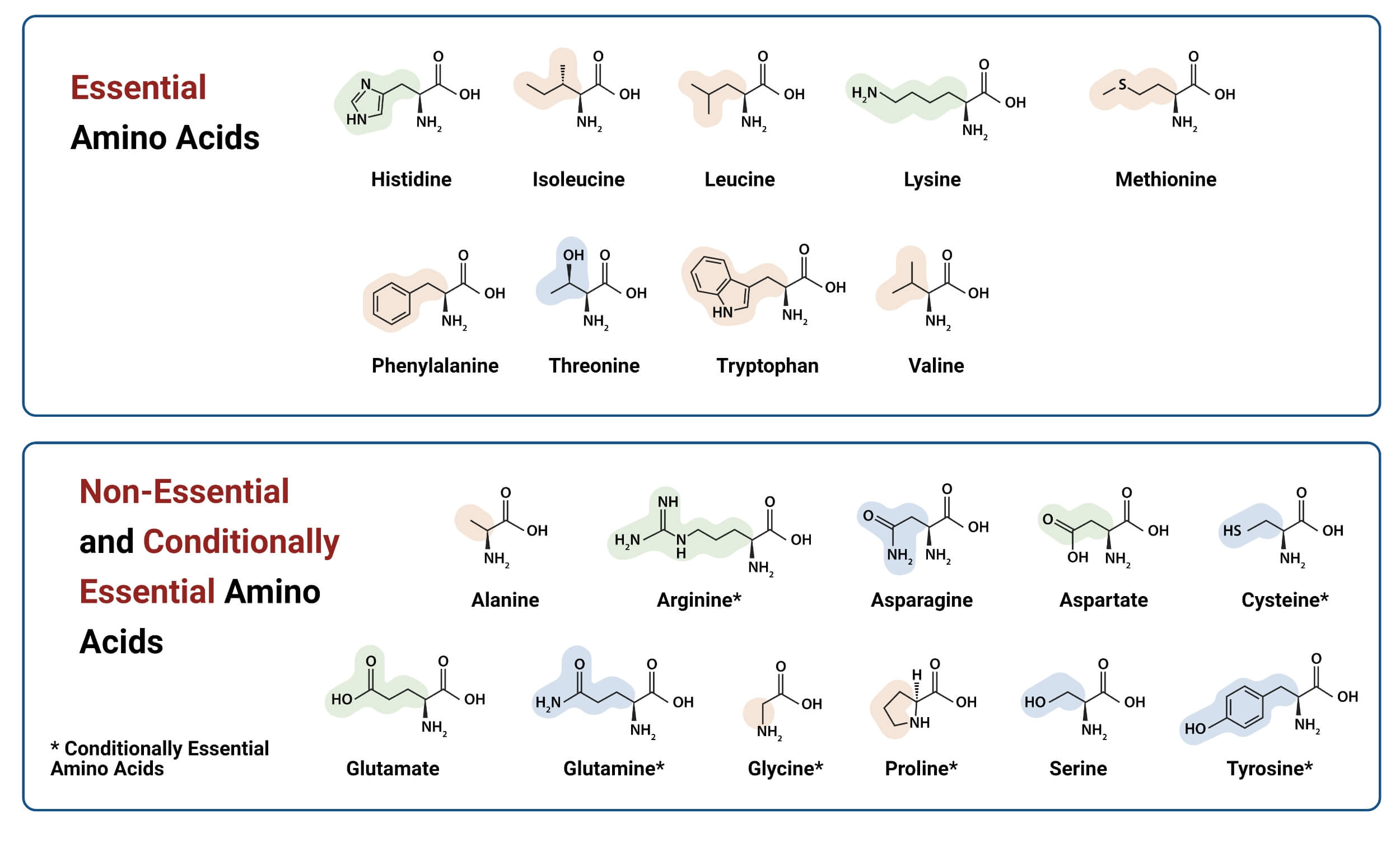
List of 9 Essential Amino Acids and Their Functions
Humans require nine dietary essential amino acids. A useful mnemonic is PVT TIM HLL: phenylalanine, valine, threonine, tryptophan, isoleucine, methionine, histidine, leucine, and lysine (Lopez & Mohiuddin, 2020).
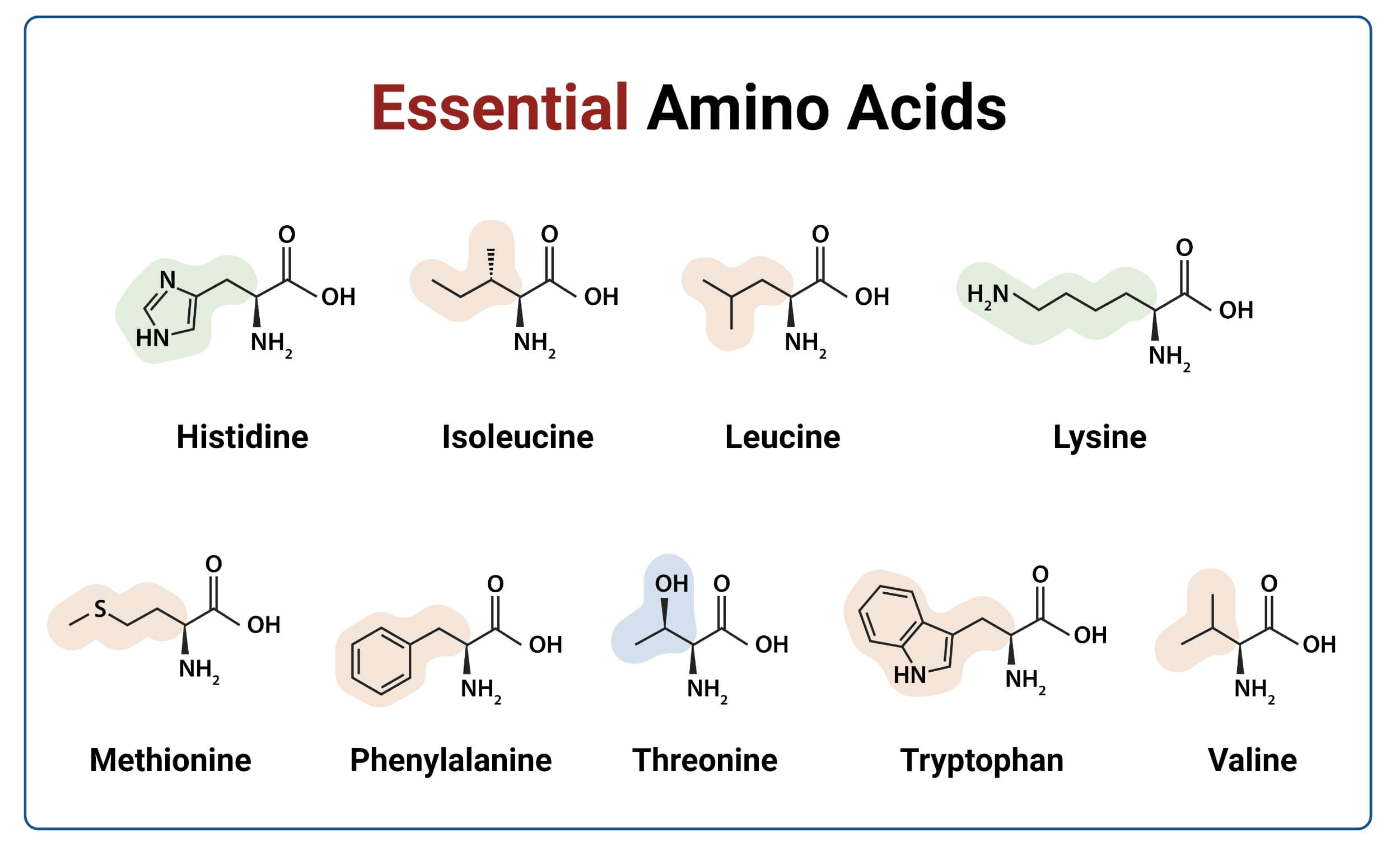
| Essential amino acids | Major functions |
| Histidine | Supports haemoglobin production, tissue repair, and histamine synthesis. |
| Isoleucine | Contributes to muscle metabolism, energy regulation, and haemoglobin formation. |
| Leucine | Stimulates muscle protein synthesis through nutrient-sensitive signalling pathways. |
| Lysine | Supports collagen formation, tissue growth, and carnitine synthesis. |
| Methionine | Supplies sulfur and methyl groups for metabolic reactions and contributes to cysteine synthesis. |
| Phenylalanine | Precursor of tyrosine and, indirectly, catecholamine neurotransmitters. |
| Threonine | Supports intestinal mucus production, protein synthesis, and tissue maintenance. |
| Tryptophan | Precursor of serotonin, melatonin, and niacin-related compounds. |
| Valine | Supports muscle metabolism, nitrogen balance, and energy production. |
These amino acids must be available together for efficient protein synthesis. A shortage of even one can restrict the body’s ability to use the others effectively (Wolfe et al., 2024).
List of 11 Non-Essential Amino Acids and Their Functions
The conventional nutritional classification includes 11 non-essential amino acids, although some are conditionally essential under particular circumstances.
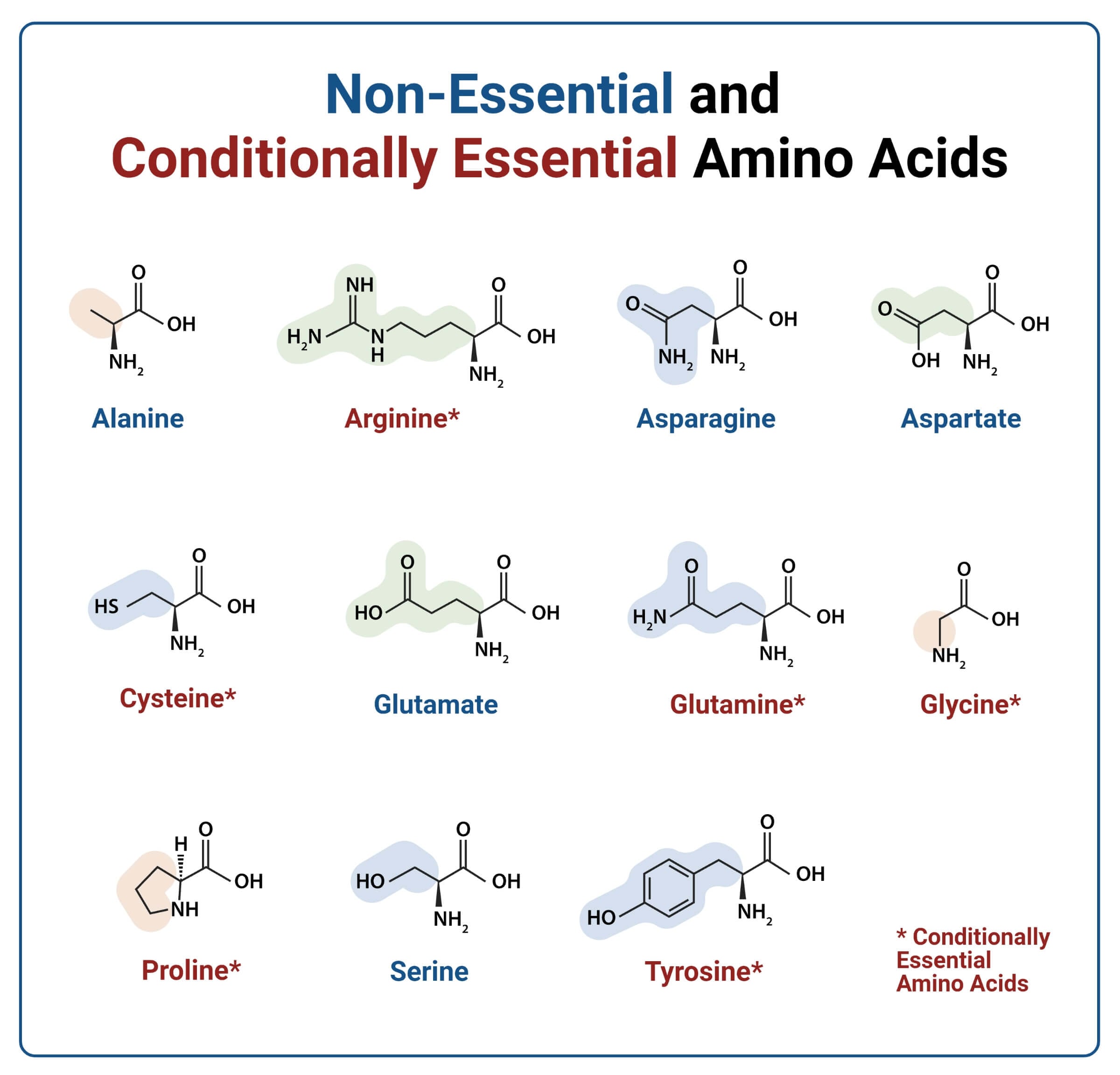
| Non-essential amino acids | Major functions |
| Alanine | Transports nitrogen and helps move carbon between muscle and liver during glucose metabolism. |
| Arginine | Supports nitric oxide production, the urea cycle, and immune functions. |
| Asparagine | Participates in protein synthesis and cellular nitrogen metabolism. |
| Aspartic acid | Contributes to nucleotide synthesis and metabolic energy pathways. |
| Cysteine | Supports disulfide bonds, antioxidant defence, and glutathione production. |
| Glutamic acid | Functions in amino acid metabolism and excitatory neurotransmission. |
| Glutamine | Transports nitrogen and fuels intestinal and immune cells. |
| Glycine | Contributes to collagen, haem, creatine, and glutathione synthesis. |
| Proline | Helps maintain collagen structure and connective tissue integrity. |
| Serine | Supports phospholipid synthesis, nucleotide production, and one-carbon metabolism. |
| Tyrosine | Precursor of thyroid hormones, melanin, and catecholamine neurotransmitters. |
Their classification does not imply that dietary availability is irrelevant. Amino acid metabolism is interconnected, and adequate precursors, energy, and nutrients are necessary for endogenous synthesis (Hou & Wu, 2017).
Functions of Essential Amino Acids in the Human Body
Essential amino acids contribute to nearly every process requiring new proteins. Their roles become especially apparent during growth, exercise recovery, wound healing, and immune responses.
- Growth and tissue repair: EAAs supply the materials needed to construct enzymes, structural proteins, transporters, and new cells.
- Muscle protein synthesis: Leucine activates the mechanistic target of rapamycin complex 1 (mTORC1), a signalling pathway involved in regulating protein synthesis. However, all EAAs must be available to sustain the process.
- Neurotransmitter production: Tryptophan supports serotonin and melatonin synthesis, while phenylalanine-derived tyrosine contributes to dopamine, noradrenaline, and adrenaline production.
- Immune defence: Immune cells require amino acids to proliferate, produce signalling molecules, and manufacture antibodies.
- Metabolic regulation: Amino acids participate in enzyme production, nitrogen transport, and pathways that maintain normal physiological balance.
These functions depend on coordinated nutrient availability rather than the intake of one amino acid in isolation (Wu, 2010; Wolfe et al., 2024).
Functions of Non-Essential Amino Acids in the Human Body
Non-essential amino acids support several important physiological processes, particularly metabolism, cellular protection, and tissue maintenance (Hou et al., 2015; Wu, 2010).
- Glutamine: Provides fuel for rapidly dividing intestinal and immune cells and transports nitrogen between tissues.
- Glycine and cysteine: Contribute to glutathione synthesis, supporting cellular antioxidant defence.
- Glutamate: Participates in neurotransmission and amino acid metabolism.
- Alanine: Transports nitrogen from muscles to the liver and contributes to glucose metabolism.
- Serine: Supports one-carbon metabolism, nucleotide synthesis, and other essential biochemical reactions.
- Proline: Helps maintain collagen structure and supports connective tissue integrity.
- Tyrosine:Serves as a precursor for hormones and neurotransmitters, including thyroid hormones, dopamine, and adrenaline.
- Arginine: Supports nitric oxide production, helping regulate blood vessel function.
Although these amino acids can generally be synthesized by the body, their production depends on adequate metabolic resources and physiological conditions. Therefore, non-essential does not mean biologically unimportant; these amino acids remain vital for normal cellular function and overall health.
Dietary Sources of Essential Amino Acids
A varied diet can provide all nine EAAs. Foods containing sufficient quantities of every essential amino acid relative to human requirements are commonly described as complete protein sources.
Animal-based sources include eggs, milk, yoghurt, cheese, fish, poultry, and meat. Soybeans and soy products are notable plant-based complete protein sources. Other plant foods can also contribute substantially to essential amino acid intake when consumed in appropriate combinations and quantities.
Examples include:
- Legumes: Lentils, chickpeas, kidney beans, peas, and soybeans provide lysine and other EAAs.
- Grains: Rice, wheat, oats, and maize contribute protein, although their amino acid profiles vary.
- Nuts and seeds: Peanuts, sesame, pumpkin seeds, and almonds provide additional protein.
- Complementary combinations: Rice with lentils or beans with maize can improve the overall balance of essential amino acids.
Protein quality depends on digestibility and the amounts of individual EAAs available after digestion. The Digestible Indispensable Amino Acid Score (DIAAS) considers these factors when evaluating protein quality (Calvez et al., 2024; Wolfe et al., 2024).
Importantly, complementary plant proteins do not necessarily need to be eaten in the same meal. A varied diet across the day can provide the necessary amino acids.
Foods Rich in Non-Essential Amino Acids
Many protein-rich foods supply both essential and non-essential amino acids because most dietary proteins contain mixtures of both groups.
Eggs, dairy products, fish, meat, legumes, soybeans, nuts, and seeds provide amino acids used in endogenous metabolic pathways. Glutamine occurs abundantly in many food proteins, while collagen-rich foods contribute glycine and proline. Cysteine is available in foods such as eggs, poultry, and legumes, and tyrosine occurs in dairy products, soy, and other protein-rich foods (Labow & Souba, 2000).
However, there is no need to seek separate foods exclusively for non-essential amino acids. Eating adequate protein from diverse sources generally supplies these molecules alongside the essential amino acids needed to support their synthesis and use.
Essential and Non-Essential Amino Acids: Comparison Table
| Feature | Essential amino acids | Non-essential amino acids |
| Synthesis | Cannot be produced sufficiently to meet requirements. | Usually synthesized by the body. |
| Dietary requirement | Must be supplied by food. | Dietary supply can contribute but is not always obligatory. |
| Examples | Lysine, leucine, tryptophan. | Alanine, glycine, glutamate. |
| Main nutritional concern | Inadequate intake can limit protein synthesis. | Production may be insufficient under certain conditions. |
| Physiological importance | Essential for growth, repair, and metabolism. | Equally important for cellular and metabolic functions. |
The distinction describes nutritional essentiality, not the relative importance of the molecules (Hou & Wu, 2017).
Conditionally Essential Amino Acids and Their Role
Some amino acids become conditionally essential when the body cannot synthesize enough to meet increased demands. This may occur during infancy, rapid growth, severe illness, injury, or metabolic stress.
Arginine, cysteine, glutamine, glycine, proline, and tyrosine are frequently discussed in this context, although their importance varies with age and physiological circumstances (Hou et al., 2015; Wu, 2010).
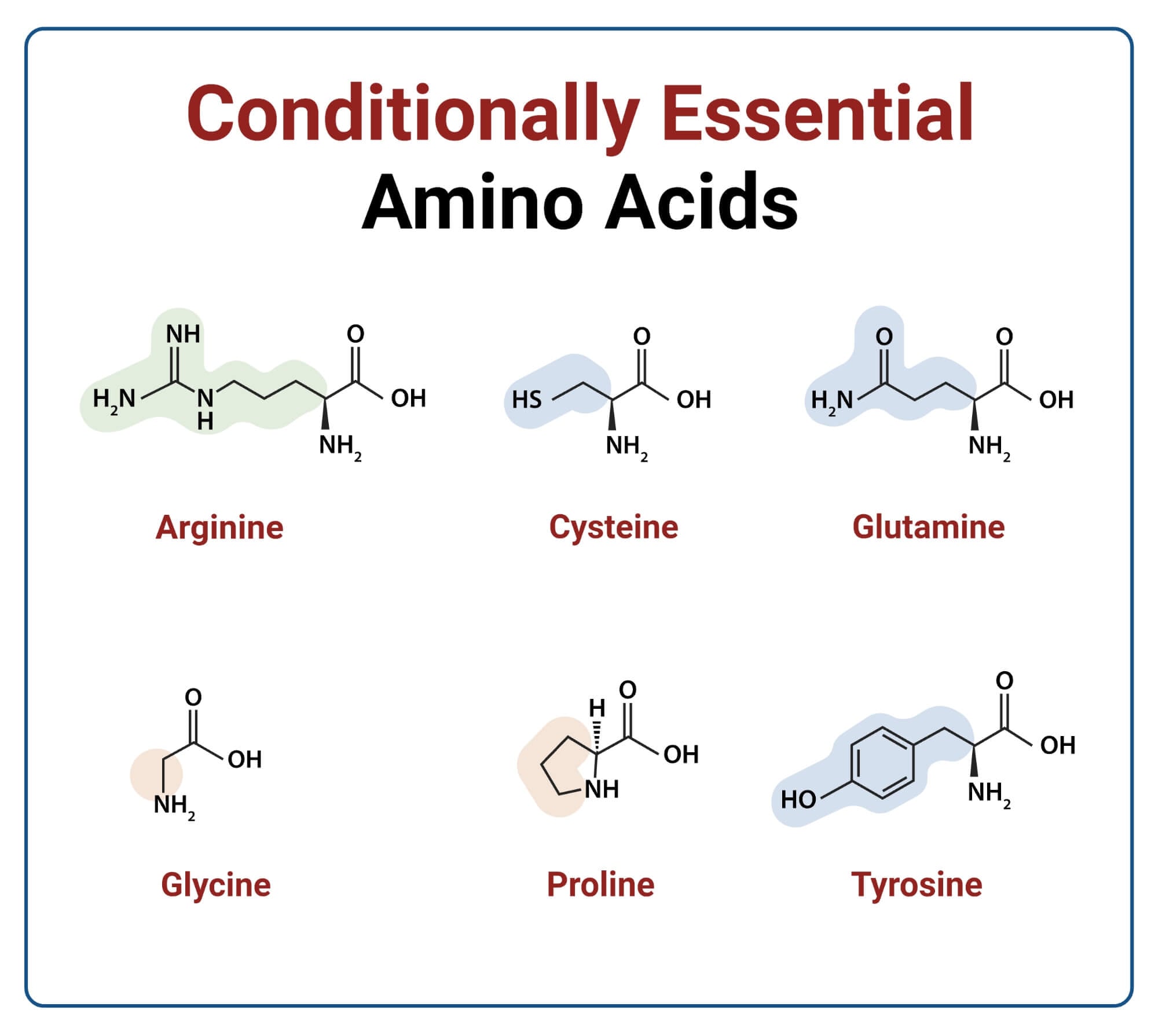
For example, glutamine demand may increase during severe illness, while cysteine availability can influence glutathione synthesis. Tyrosine becomes dependent on dietary phenylalanine availability because the body normally produces it from that essential amino acid. If phenylalanine metabolism is impaired, tyrosine may need particular dietary attention.
Conditional essentiality therefore highlights the flexibility of human metabolism. Nutritional requirements can change when synthesis, availability, or demand changes.
What Happens When You Lack Essential Amino Acids?
Insufficient essential amino acid intake can interfere with protein synthesis because the body cannot manufacture the missing components independently. The consequences depend on the severity, duration, overall diet, and individual nutritional requirements.
Potential effects include:
- Impaired growth: Children and adolescents may experience reduced growth when inadequate protein or energy intake persists.
- Reduced muscle maintenance: The body may increase protein breakdown to release amino acids for essential functions.
- Delayed tissue repair: Wound healing and recovery may be compromised.
- Reduced immune function: Inadequate amino acid availability can interfere with immune-cell activity and protein production.
- Metabolic disturbances: Prolonged nutritional inadequacy may affect nitrogen balance and other physiological processes.
Research on essential amino acid deficiency identifies changes in protein synthesis, proteolysis, and metabolic markers, including responses to inadequate lysine or threonine (Moro et al., 2020).
These outcomes are not specific to amino acid deficiency alone. Energy deficiency, infections, and other nutrient inadequacies may contribute. Persistent fatigue, unintended weight changes, poor growth, or prolonged recovery warrant professional assessment rather than self-diagnosis.
Daily Requirements for Essential Amino Acids
Essential amino acid requirements vary with age, body mass, growth, pregnancy, health status, and the method used to estimate nutritional needs. The following adult reference values are from the WHO/FAO/UNU framework and are expressed per kilogram of body weight per day (Joint WHO/FAO/UNU Expert Consultation, 2007).
| Essential amino acid | Adult requirement (mg/kg/day) |
| Histidine | 10 |
| Isoleucine | 20 |
| Leucine | 39 |
| Lysine | 30 |
| Methionine + cysteine | 15 |
| Phenylalanine + tyrosine | 25 |
| Threonine | 15 |
| Tryptophan | 4 |
| Valine | 26 |
These values are reference estimates, not individualized prescriptions. Some are expressed as combined requirements because the body can convert related amino acids into one another. Methionine contributes to cysteine synthesis, while phenylalanine can be converted into tyrosine.
For a person weighing 60 kg, a reference requirement of 30 mg/kg/day for lysine corresponds to 1,800 mg per day. Actual dietary planning should consider total protein intake, protein quality, and individual circumstances. Newer methods, including indicator amino acid oxidation, continue to refine estimates across populations and life stages (Paoletti et al., 2024).
Role of Amino Acids in Protein Synthesis and Metabolism
Protein synthesis is a coordinated cellular process involving transcription, translation, and regulation. During translation, ribosomes read messenger RNA and join amino acids in the sequence specified by the genetic code. Transfer RNAs deliver the corresponding amino acids, allowing the growing polypeptide to form.
The availability of all required amino acids matters because translation cannot proceed efficiently when a necessary substrate becomes limiting. Cells also regulate protein turnover, continuously breaking down older proteins and synthesizing replacements. Dietary amino acids contribute to this balance, known as protein turnover (Watford & Wu, 2018).
Amino acids also participate in metabolism beyond protein construction. When needed, their carbon skeletons can enter energy-producing pathways, while their nitrogen is transferred or removed through metabolic reactions. The liver plays a major role in nitrogen processing and urea formation.
However, amino acids are not simply interchangeable energy sources. Their specialized functions and essentiality determine how effectively the body can use them. Adequate energy intake helps spare amino acids for protein synthesis rather than excessive oxidation. Protein quality, digestibility, and the balance of essential amino acids therefore influence how dietary protein supports health (Calvez et al., 2024; Wolfe et al., 2024).
Conclusion
The 9 essential amino acids and the 11 classically identified non-essential amino acids all play a role in maintaining human life. Essential amino acids are those that cannot be synthesized by the body and must be consumed in the diet while non-essential amino acids are synthesized in the body as the body’s needs increase and are generally not required in the diet.
These functions range from synthesizing proteins and repairing tissues to providing immune defense, neurotransmission, antioxidant properties, and energy metabolism. The practical basis for meeting amino acid requirements is a varied diet with sufficient energy and adequate food sources. Understanding amino acid nutrition requires recognizing that a person’s health depends on the coordinated delivery and utilization of amino acids in the body.
References
- Calvez, J., Azzout-Marniche, D., & Tomé, D. (2024). Protein quality, nutrition and health. Frontiers in Nutrition, 11, Article 1406618. https://doi.org/10.3389/fnut.2024.1406618
- Hou, Y., & Wu, G. (2017). Nutritionally nonessential amino acids: A misnomer in nutritional sciences. Advances in Nutrition, 8(1), 137–139. https://doi.org/10.3945/an.116.012971
- Hou, Y., Yin, Y., & Wu, G. (2015). Dietary essentiality of “nutritionally non-essential amino acids” for animals and humans. Experimental Biology and Medicine, 240(8), 997–1007. https://doi.org/10.1177/1535370215587913
- Joint WHO/FAO/UNU Expert Consultation. (2007). Protein and amino acid requirements in human nutrition (WHO Technical Report Series No. 935). World Health Organization.
- Labow, B. I., & Souba, W. W. (2000). Glutamine. World Journal of Surgery, 24(12), 1503–1513. https://doi.org/10.1007/s002680010269
- Lopez, M. J., & Mohiuddin, S. S. (2020). Biochemistry, essential amino acids. In StatPearls. StatPearls Publishing.
- Moro, J., Khodorova, N. V., Chaumontet, C., Even, P., Blais, A., Pilard, S., et al. (2020). Molecular markers of dietary essential amino acid-deficiency. Proceedings of the Nutrition Society, 79(OCE2). https://doi.org/10.1017/S0029665120003250
- Paoletti, A., Courtney-Martin, G., & Elango, R. (2024). Determining amino acid requirements in humans. Frontiers in Nutrition, 11, Article 1400719. https://doi.org/10.3389/fnut.2024.1400719
- Watford, M., & Wu, G. (2018). Protein. Advances in Nutrition, 9(5), 651–653. https://doi.org/10.1093/advances/nmy027
- Wolfe, R. R., Church, D. D., Ferrando, A., & Moughan, P. (2024). Consideration of the role of protein quality in determining dietary protein recommendations. Frontiers in Nutrition, 11, Article 1389664. https://doi.org/10.3389/fnut.2024.1389664
- Wu, G. (2010). Functional amino acids in growth, reproduction, and health. Advances in Nutrition, 1(1), 31–37. https://doi.org/10.3945/an.110.001.008
- Wu, G., Bazer, F. W., Dai, Z., Li, D., Wang, J., & Wu, Z. (2014). Amino acid nutrition in animals: Protein synthesis and beyond. Annual Review of Animal Biosciences, 2, 387–417. https://doi.org/10.1146/annurev-animal-022513-114113
