
Chimeric Antigen Receptor (CAR) T Cell Therapy is a cell-based immunotherapy that genetically modifies a person’s T cells to recognize and destroy cancer cells.
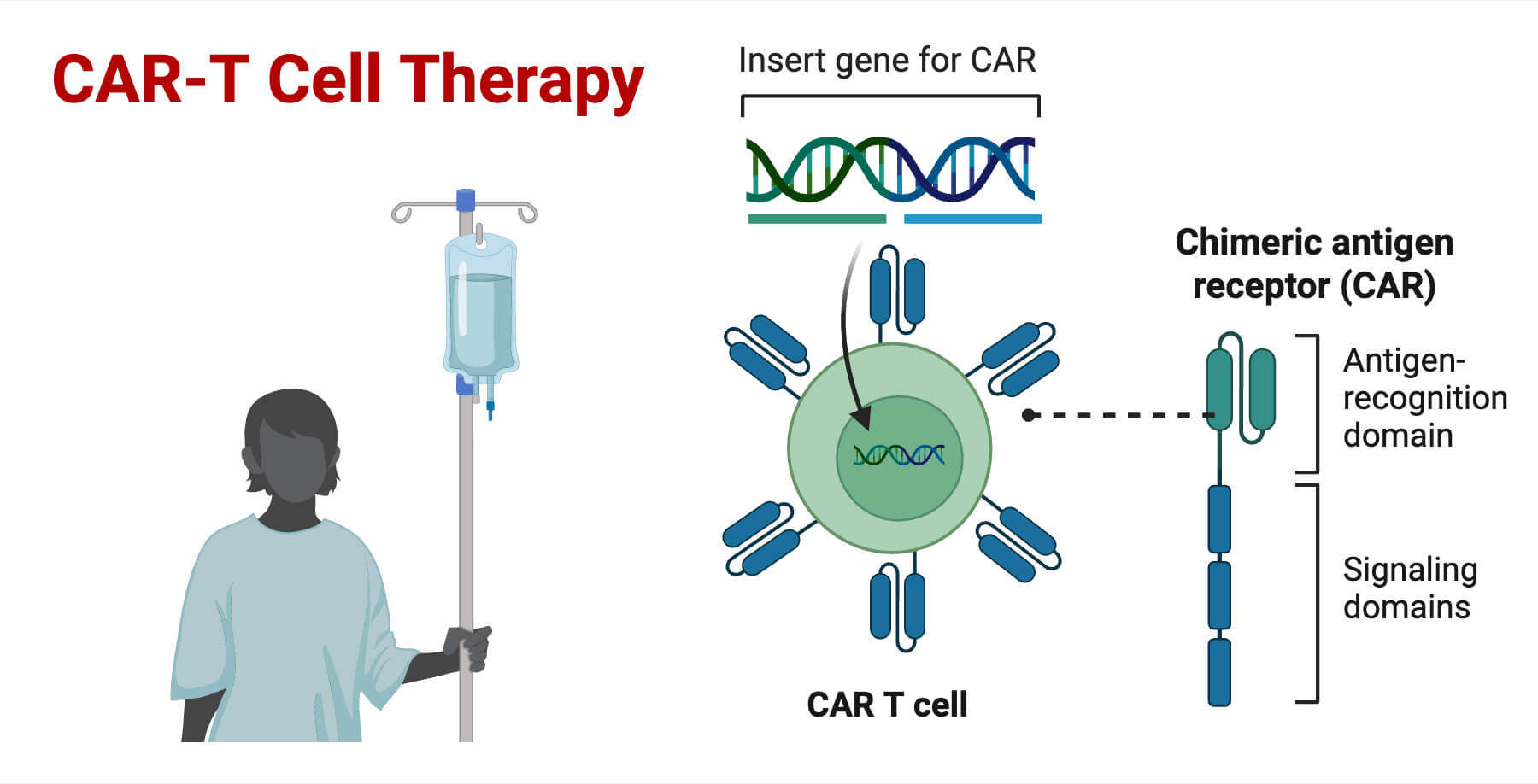
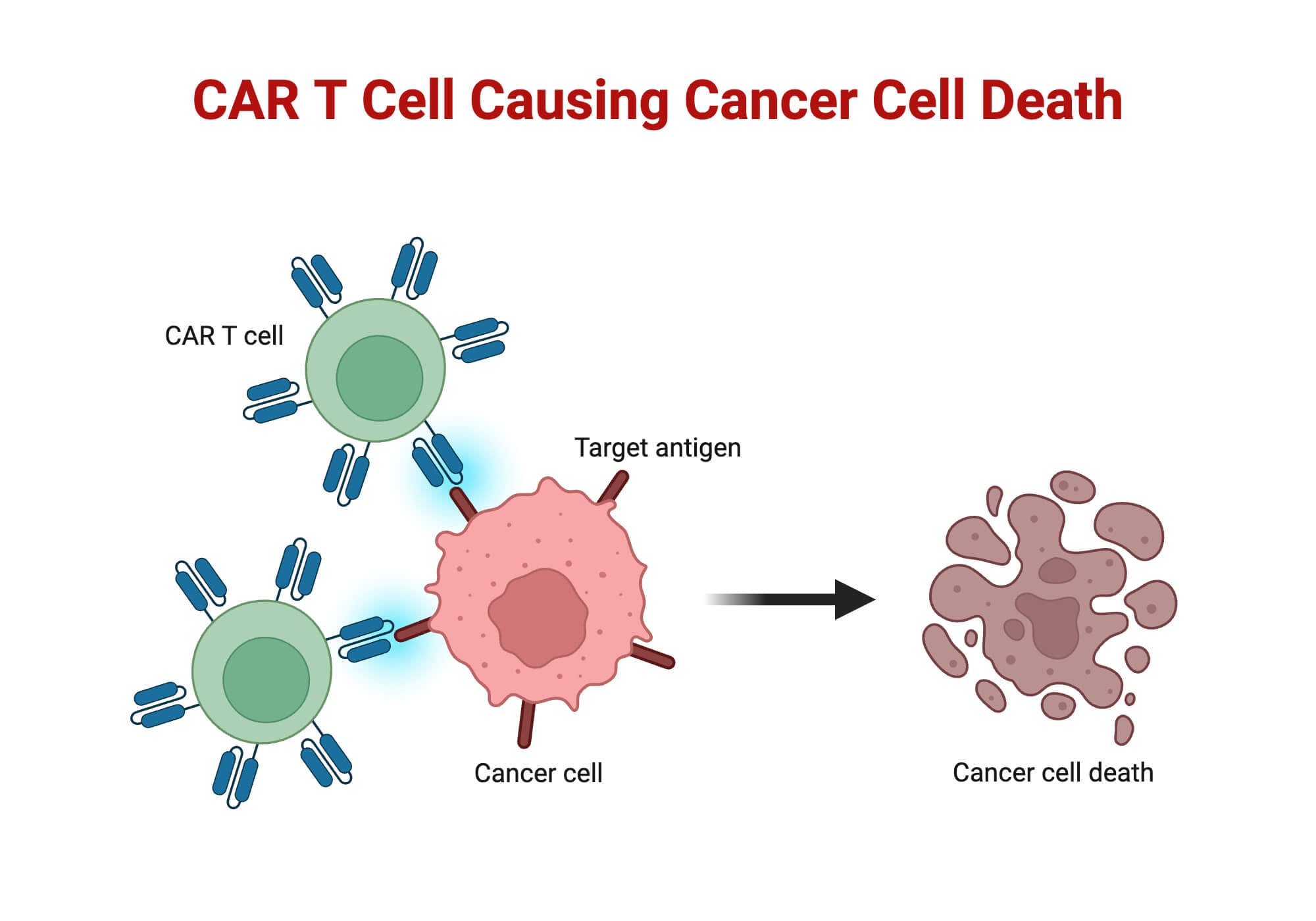
In this therapy, autologous T cells are collected from the patient’s peripheral blood and genetically engineered to express receptors that more specifically and effectively target the patient’s tumor antigens. These engineered T cells are reinfused into the patient, where they target and eliminate cancer cells.
History and Development of CAR-T Cell Therapy
A significant breakthrough in the development of CAR-T cell therapy emerged from recognising the T-cell origin and the seminal work of Dr Eva and Dr George Klein, who demonstrated that immune cells can destroy cancer cells. The idea of CARs emerged from two pioneering studies in the late 1980s, one in which Dr Yoshikazu Kurosawa and colleagues engineered cells producing T Cell Receptors (TCRs) with their variable regions replaced by the antigen-binding sites of an antibody. Similarly, Dr Zelig Eshhar and colleagues first proposed the promising use of CAR-modified T cells for cancer treatment. Subsequently, the same team proposed crucial models of what are now recognised as first-generation CARS.
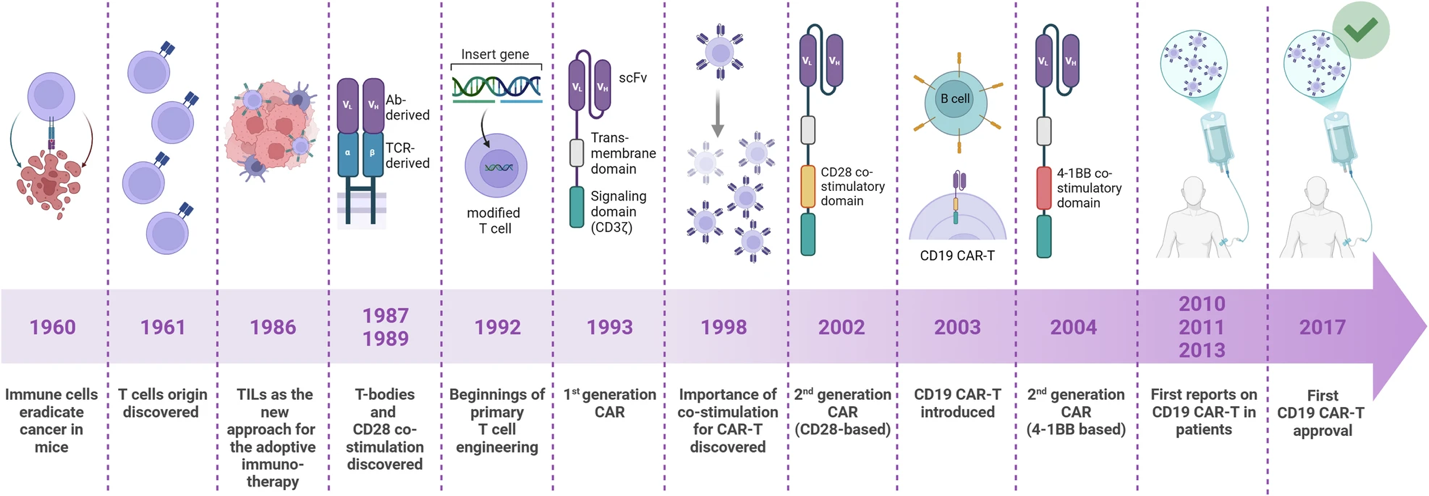
Source: https://doi.org/10.1038/s41392-025-02269-w
The second-generation CARs were introduced into primary human T cells by Dr. Maher and his coauthors. They were the first to show the effective engineering of primary human T cells to express second-generation CARs targeting Prostate-Specific Membrane Antigen (PSMA). Kymriah® (CD19-BB-z) became the first approved cell-based therapy for R/R B-ALL in patients under 25 years old, while Yescarta® (CD19-28-z) was approved for adult R/R B-NHL, based on the ELIANA,108,109, and ZUMA-1110 trials, respectively.
The Role of T Cells in the Human Immune System
T cells, also known as T lymphocytes, are a type of white blood cell that play a significant role in your immune system. T cells mediate cell-based immune responses by expressing a receptor that recognizes antigens from pathogens, infected cells, cancer cells, and tumors. T cells are developed from Bone Marrow (BM)-derived thymic seeding progenitors (TSPs) in the thymus. T cells recognize antigens presented by Major Histocompatibility Complex (MHC) molecules on Antigen-presenting Cells (APCs).
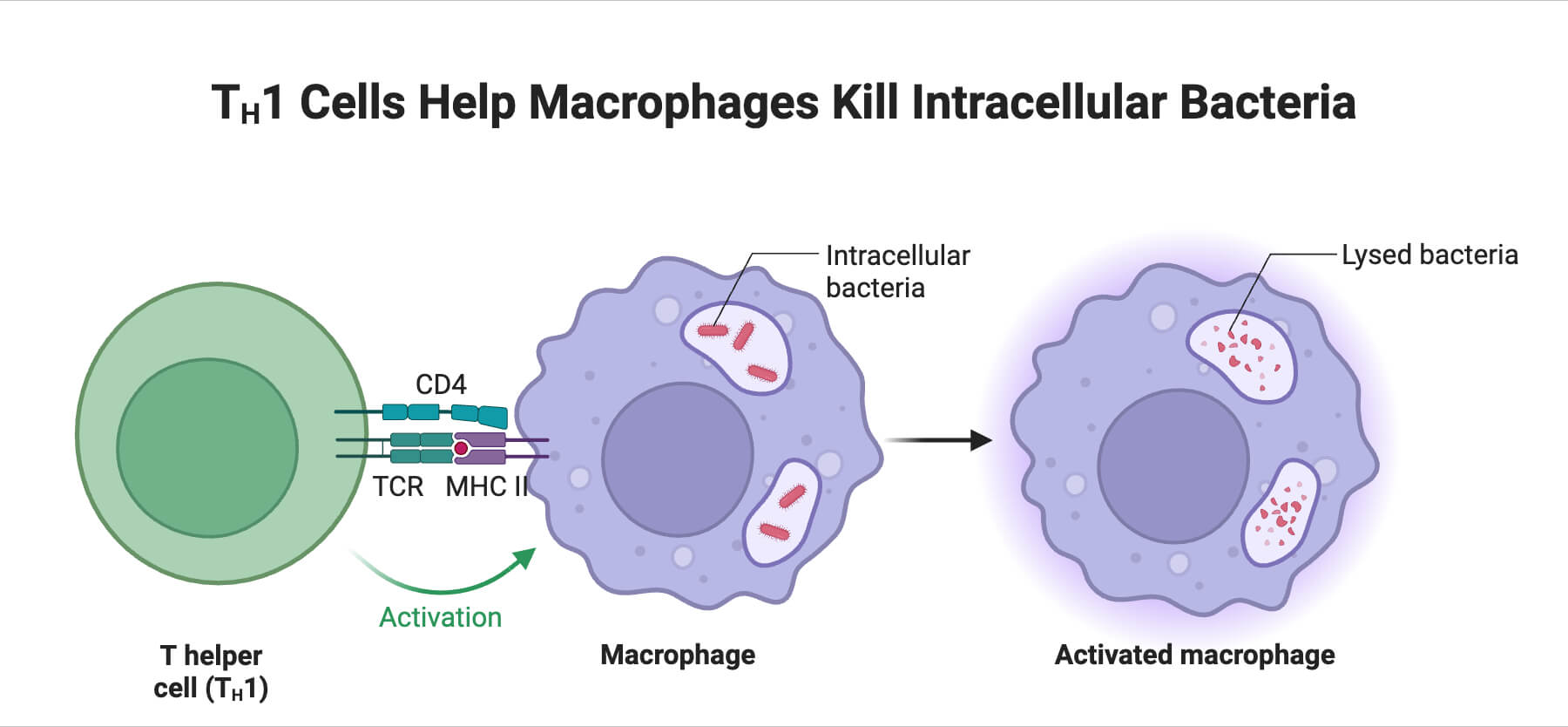
T cells are categorized into helper T cells (CD4+), cytotoxic T cells (CD8+), regulatory T cells (Tregs), and memory T cells. Helper T cells coordinate immune responses by releasing cytokines that activate other immune cells, including B cells and macrophages. Cytotoxic T cells destroy infected or cancerous cells, and regulatory T cells maintain immune balance by preventing or suppressing excessive immune responses and autoimmune reactions. Memory T cells provide long-term protection by responding upon re-exposure to the same infected cells or pathogens.
Structure and Components of Chimeric Antigen Receptors (CARs)
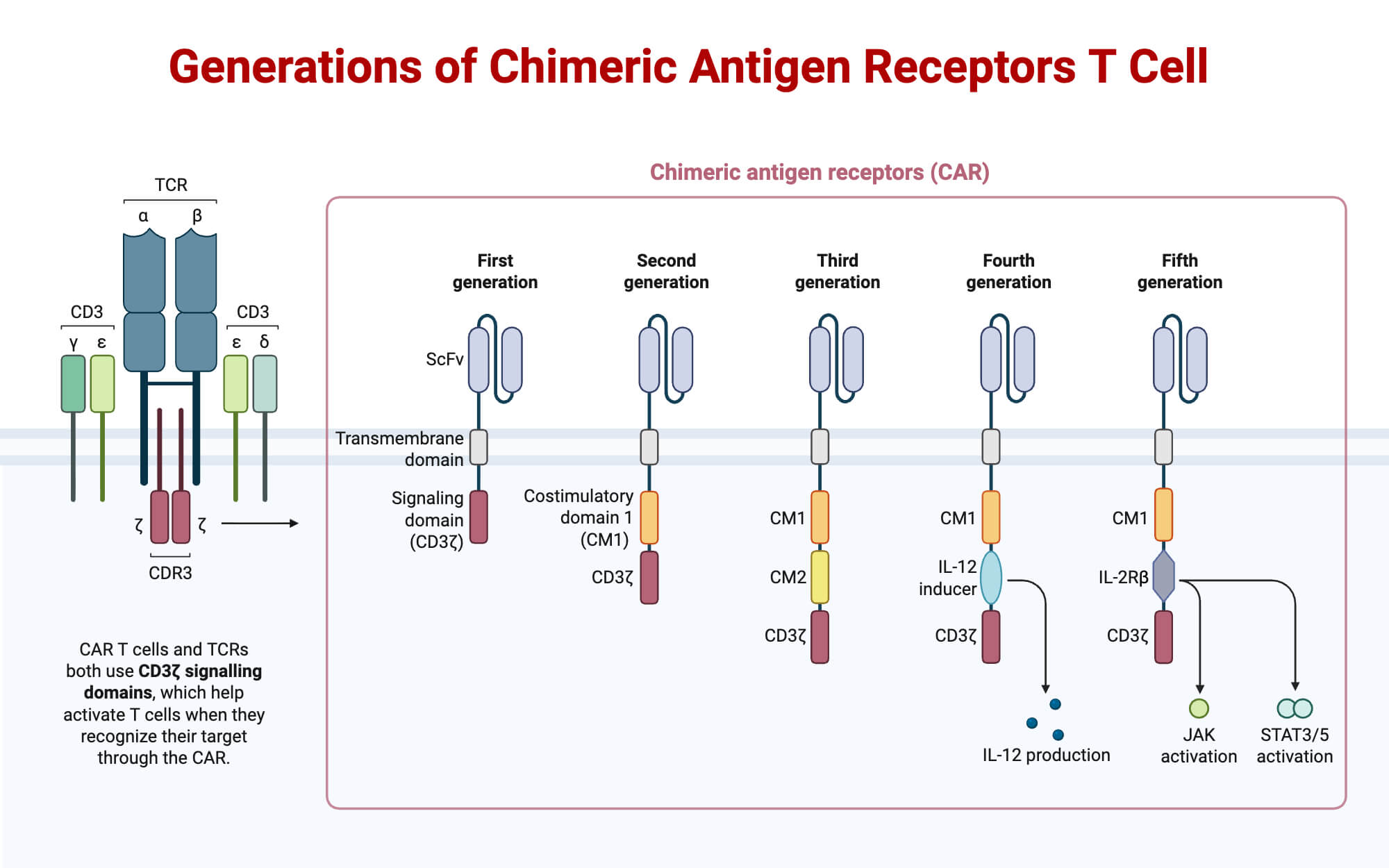
CARs generally consist of three main parts: an antigen-binding domain (extracellular or ectodomain, a transmembrane domain, and an intracellular domain (endodomain), as shown in Figure 2. The ectodomain is responsible for antigen binding and comprises heavy- and light-variable antibody fragments connected by a linker. This specific part is engineered to detect tumor antigens. The ectodomain is attached to the transmembrane domain via a spacer that stabilizes the CAR. The endodomains are responsible for transmitting activation signals to T cells upon antigen recognition.
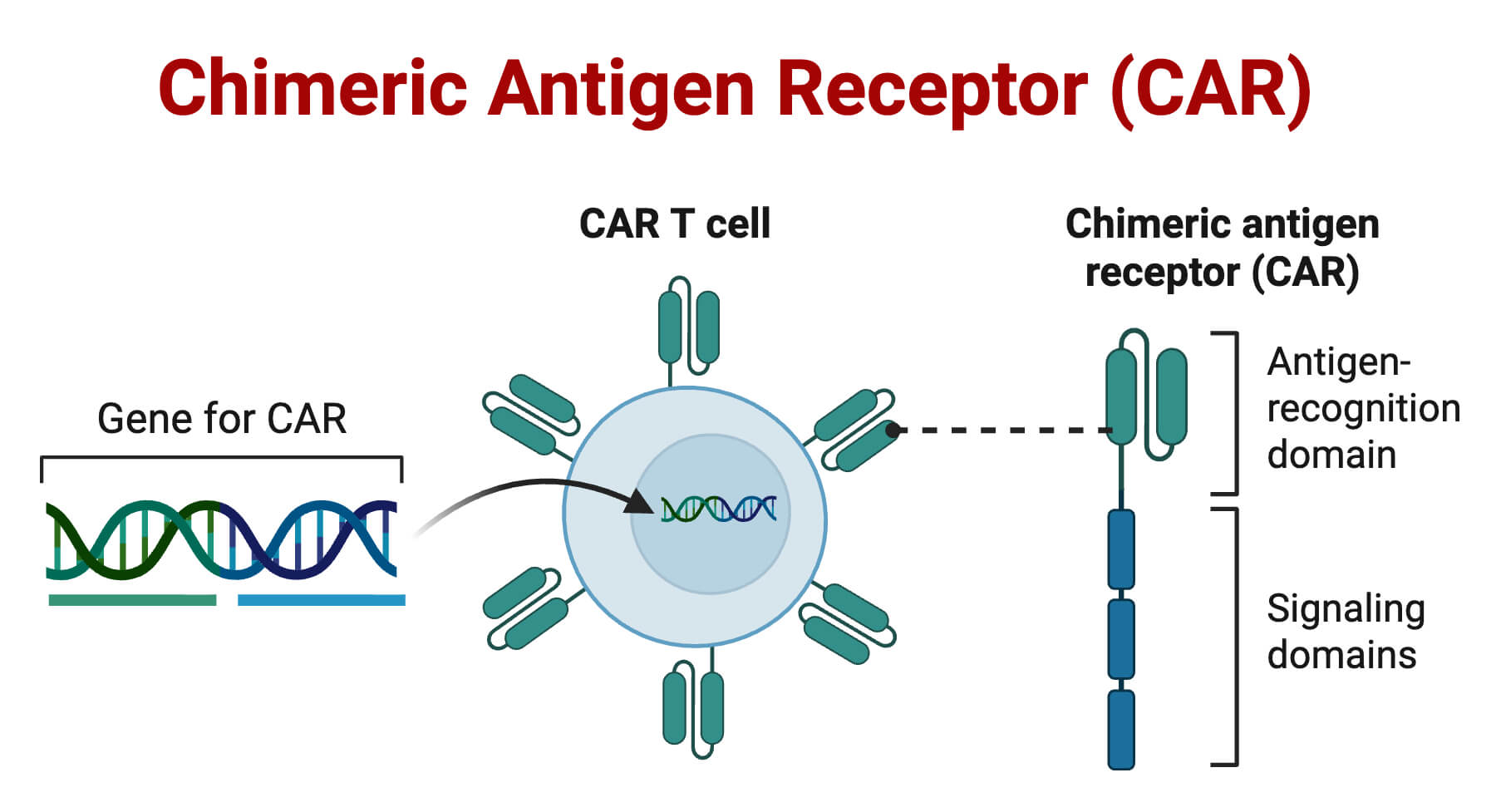
Principle of CAR-T Cell Therapy
The affinity of the transduction signal depends on the density of tumor cell antigens. When the tumor antigen is recognized, it triggers CAR-T cell activation and Cytokine Release Syndrome (CRS), a state of serious inflammation. Upon the CAR-T cell reinfusion, serum levels of cytokines, Interferon-gamma (IFN-γ), Interleukin-6 (IL-6), Tumor Necrosis Factor-alpha (TNF-α), Granulocyte-Macrophage Colony-Stimulating Factor (GM-CSF), IL-2, IL-8, and IL-10, are produced by CAR-T cells and elevated, leading to hypercytokinemia.
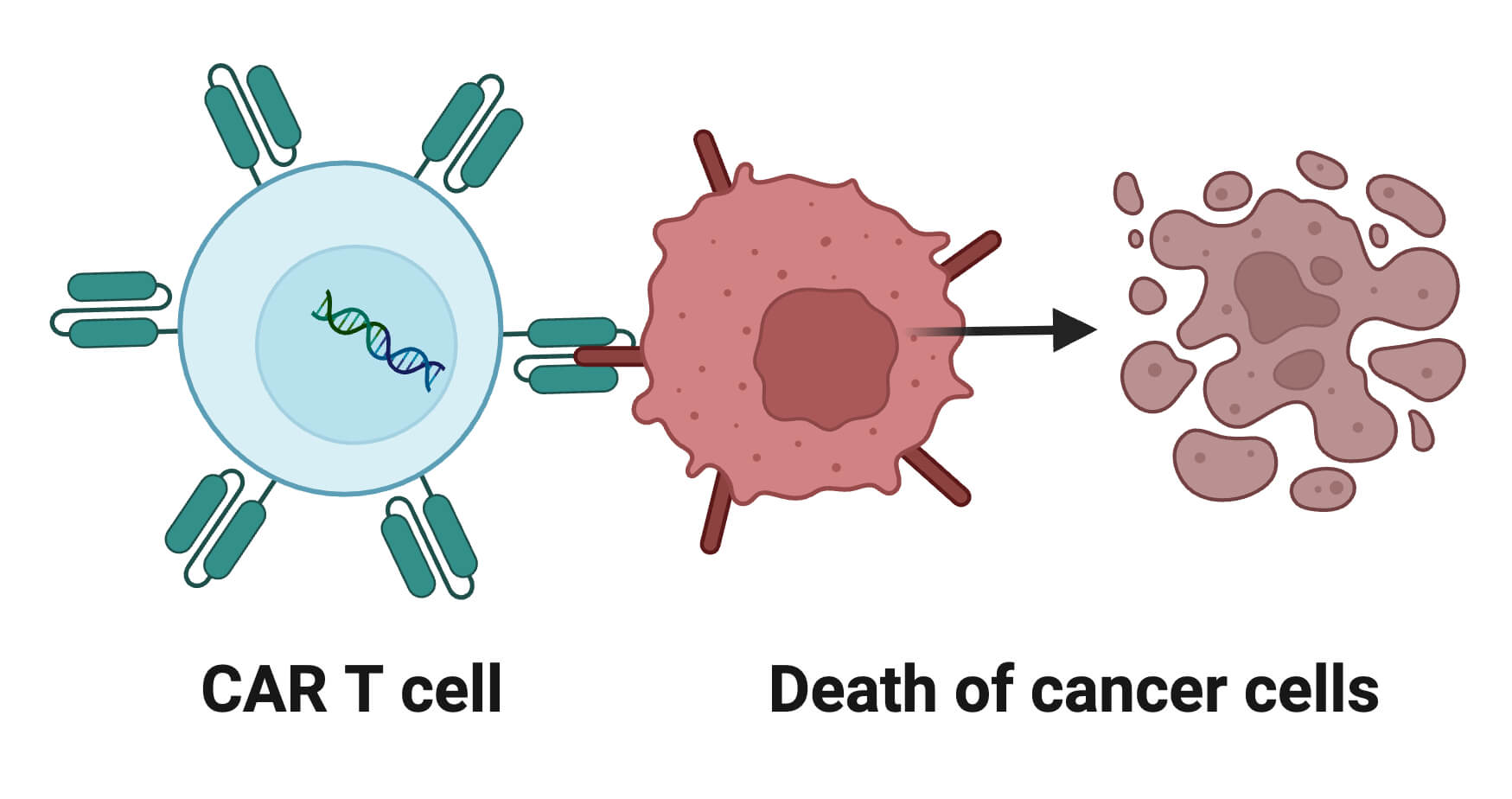
Consequently, APCs such as B cells and macrophages express CD40 (a cell-surface protein) that binds to CD40L (its ligand). This process is contact-dependent and helps stimulate the release of various cytokines. IL-6 drives cytokine synthesis and activates APCs, enhancing inflammatory responses and creating a feedback loop that promotes further cytokine release.
Process of CAR-T Cell Therapy
1. T cell extraction
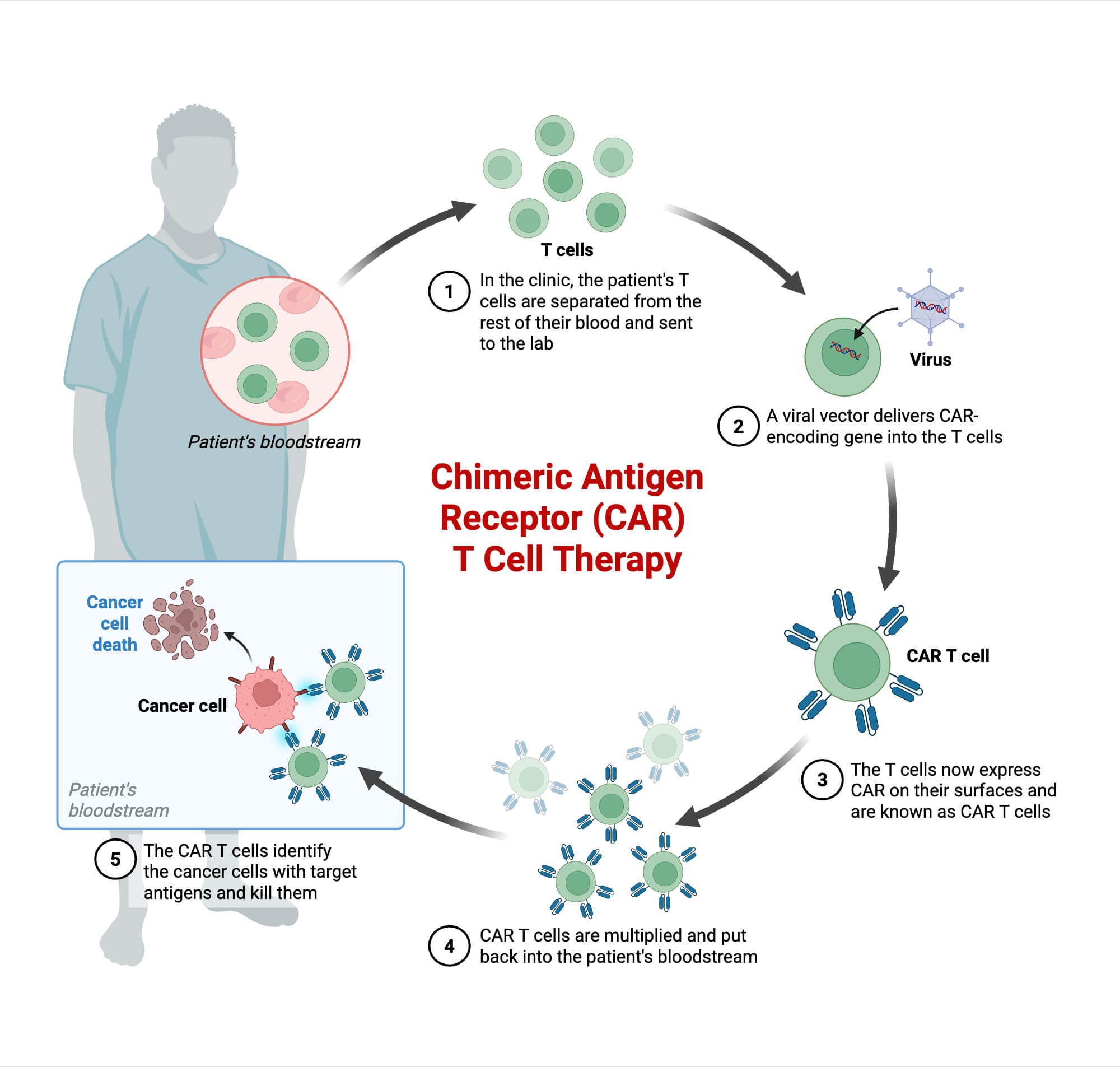
The first step in CAR-T cell therapy is the collection of the patient’s blood, followed by leukapheresis, in which T cells are separated from the rest of the blood using an apheresis machine, as shown in Figure 5. Subsequently, an apheresis buffer containing anticoagulants is used to wash the cells in a cell washer, thereby enriching for T cells. Then, elutriation is performed using counterflow centrifugation to separate cells by size and density, removing unwanted contaminating cells and preserving T-cell viability. Magnetic cell separation is used to select T cell subsets based on CD4/CD8 composition using specific antibody-bead markers or conjugates. These steps usually take 2-3 hours.
2. Genetic engineering
These T cells are then genetically engineered by transduction with a CAR-encoding viral vector or by non-viral methods such as electroporation. T cell-enriched apheresis products are cultured in a sterile bioreactor in the presence of CAR-encoding vectors to deliver the specific genes and cell-based artificial Antigen-Presenting Cells (aAPCs). CRISPR/Cas9 has also been used to integrate the CAR gene at specific sites in the T-cell genome.
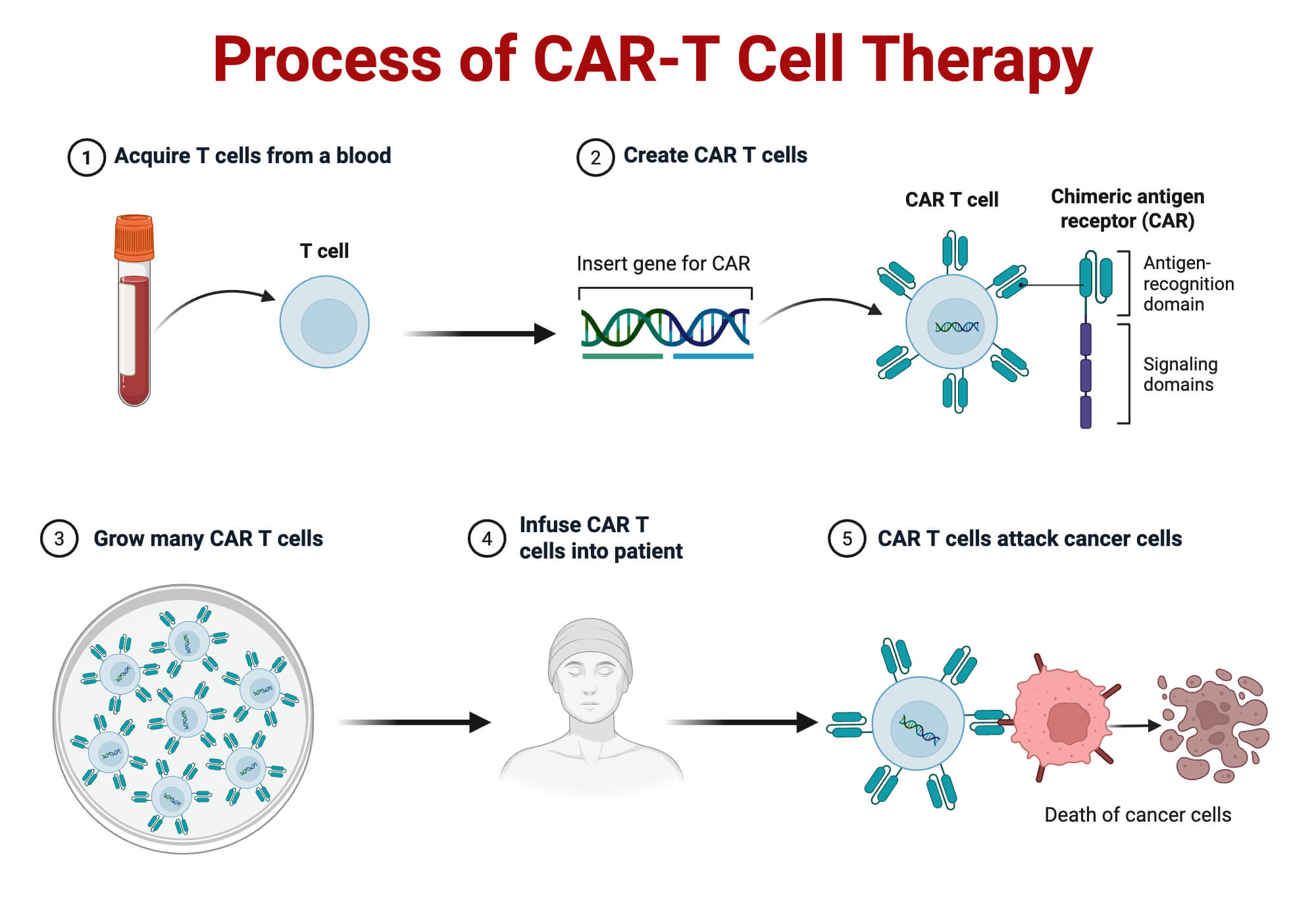
3. CAR T cell expansion and adoptive transfer
These cells pass quality-control checks and are allowed to expand under sterile laboratory conditions. After the cell expansion, the cell culture is purified to isolate the desired T-cells and is concentrated. Cells are then cryopreserved using dimethyl sulfoxide (DMSO) until reinjection. The genetically engineered CAR-T cells are reinfused into the patient, where they begin their mechanism of action. Before the infusion, the circulating leukocytes in the patient must be depleted, which is known as lymphodepletion using chemotherapy or radiotherapy. The main purpose of this step is to make space for engineered CAR-T cells.
Types of CAR-T Cell Therapies and Target Antigens
The different types of CAR-T cell therapies based on target antigens are as follows:
CD19-Targeted CAR-T Cell Therapy
CD19 is the transmembrane protein expressed on the surface of B cells. This therapy is successful in treating B-cell malignancies such as B-cell Acute Lymphoblastic Leukaemia (B-ALL), diffuse large B-cell lymphoma (DLBCL), follicular lymphoma (FL), and mantle cell lymphoma (MCL).
CD123-Targeted CAR-T Cell Therapy
CD123, also known as the alpha chain of the IL-3 receptor, is a membrane protein that is overexpressed in Acute Myeloid Leukaemia (AML) in almost 90% of cases and has also been detected in other malignancies. One example of using toxin-conjugate constructs, or Bi-specific T-cell engagers (BiTEs), to target CD123 is tagraxofusp, a recombinant protein consisting of a truncated diphtheria toxin fused to IL-3, which has been approved for the treatment of blastic plasmacytoid dendritic cell neoplasm (BPDCN).
BCMA-Targeted CAR-T Cell Therapy
B-cell maturation antigen (BCMA) is expressed on plasma cells and is a crucial therapeutic target in multiple myeloma. Some examples of therapies are Abecma® and Carvykit®. They have demonstrated the significant clinical efficacy in patients with relapsed or refractory multiple myeloma. The selective expression of BCMA on malignant plasma cells allows targeted tumour elimination while reducing damage to other tissues.
Other target antigens used in CAR-T cell therapies include CD33, CLL-1, NKG2D, CD7, CD38, CD44v6, CD70, and FLT3.
The different types of CAR-T cell therapies based on generations are as follows:
First-generation CAR-T cell therapy
The first-generation CARs consist of only one signalling domain, the CD3 ζ-chain, without Costimulatory Molecules (CMs), which initiates T-cell receptor signalling. It was first developed in 1993. The major drawbacks of this CAR-T cell were reduced T-cell proliferation, Interleukin-2 (IL-2) production, inadequate cytokine release, and poor in vivo persistence of T-cell responses.
Second-generation CAR-T cell therapy
The drawbacks of 1G CAR-T cells led to the development of second-generation CARs containing additional domains such as CD28, 4-1BB, or OX-40, which improved the proliferation, cytotoxicity, and persistence of CAR-T cells.
Third-generation CAR-T cell therapy
Third-generation CARs have additional costimulatory signalling domains, as shown in Figure 3. It is formed by the combination of CD3ζ and several other CMs, such as CD28, CD137 (41BB), CD134 (OX-40), or NKG2D. The CD3ζ- CD28-41BB construct is the most commonly used 3G CAR-T cell product. The main reason behind incorporating two CMs in 3G CARs is to overcome the constraints of 2G CARs. The preclinical data showed that 3G CARs exhibited improved performance in treating certain cancers compared to 2G CAR-T cells, with enhanced safety profiles, in vivo proliferation, anticancer activity, and persistence.
Fourth-generation CAR-T cell therapy
Similarly, fourth-generation CARs are also known as T cell Redirected for Universal Cytokine-mediated Killing (TRUCK) CAR-T cells, which carry a Nuclear Factor of the Activated T cells (NFATs)- containing transgenic IL-2. 4G CARs primarily reflect the construct of 2G CAR-T cells with modification in their intracellular signalling domain. NFATs are engineered transcription factors that regulate the expression of transgenic proteins and their delivery to the targeted tumor site upon CAR-cell activation, thereby creating a more suitable microenvironment for immune responses. It overcame antigen loss in tumor cells and reestablished patients’ post-infusion immune systems. One of the major drawbacks of this generation cell therapy is reduced efficacy against solid tumors and on-target off-tumor activation of TRUCK T-cells and release of transgenic cytokines in healthy tissues.
Fifth-generation CAR-T cell therapy
Lastly, next-generation (fifth-generation) CARs are in development, modified by the addition of IL-2, which enables antigen-dependent JAK/SAT signalling. This generation of CAR-T cell therapy is the most advanced to date, with an enhanced safety profile and broader therapeutic applications.
FDA-Approved CAR-T Therapies for Leukemia and Lymphoma
Kymriah ® Tisagenlecleucel (tisa-cel)
It was approved in 2017, and the target antigen is CD19. It is currently recommended for children and young adults ≤25 years with B-cell Acute Lymphoblastic Leukaemia (B-ALL) that is refractory or in second or later relapse. In adults, it is approved for relapsed or refractory (R/R) large B-cell lymphoma (LBCL), including diffuse large B-cell lymphoma (DLBCL), high-grade B-cell lymphoma, and DLBCL arising from follicular lymphoma (FL), after two or more lines of therapy. It is also approved for adults with R/R follicular lymphoma after at least 2 prior lines of treatment.
Yescarta ® Axicabtagene ciloleucel (axi-cel)
It was also approved in 2018, targeting CD19, and is indicated for adults with LBCL that is refractory to first-line chemoimmunotherapy or relapses within one year. It is further approved for adults with R/R LBCL, including DLBCL, primary mediastinal larger B-cell lymphoma, and high-grade B-cell lymphoma, after two or more lines of therapy, as well as for R/R follicular lymphoma after at least two prior treatments.
Tecartus® Bexucabtagene autoleucel (brexu-cel)
It was approved in 2020 for adults with R/R MCL and for adults ≥28 years with R/R B-ALL, targeting CD-19.
Breyanzi® Lisocabtagene maraleucel (liso-cel)
It was approved in 2021, targeting CD-19 for adults with LBCL, including DLBCL and related subtypes, that are refractory to first-line chemoimmunotherapy or relapse within 12 months. It is also indicated for transplant-ineligible patients after one line of therapy, as well as for those wth R/R LBCL after two or more lines of treatment. Additionally, it has approval for adults with R/R chronic lymphocytic leukaemia (CLL) or small lymphocytic lymphoma (SLL) after at least two prior therapies, including a BTK inhibitor and a BCL-2 inhibitor.
Applications of CAR-T Cell Therapy in Cancer Treatment
- CAR-T cells are engineered to target the CD19 antigen, thereby killing CD19+ leukaemia cells.
- It has demonstrated the effectiveness of the treatment for relapsed/refractory B-cell non-Hodgkin lymphoma (B-NHL), with approximately 40-60% of patients achieving durable remission and improved survival.
- The therapy is also effective in B-cell acute lymphoblastic leukaemia (B-ALL), with around 80-90% of patients achieving durable remission, survival, or complete remission after receiving it.
- It is also effective against chronic lymphocytic leukaemia.
- CAR-T cell therapy has also demonstrated some therapeutic efficacy in a preliminary clinical trial in patients with high-risk and refractory neuroblastoma.
- CAR-T cells are being explored for the treatment of acute myeloid leukaemia (AML), targeting antigens such as CD33 and CD123.
- CAR-T cells targeting HER2, EGFR, and mesothelin are under investigation for solid tumours such as breast, lung, and ovarian cancers.
- Dual-target and multi-target CAR-T checks are being developed to prevent antigen escape and improve treatment durability.
Advantages of CAR-T Cell Therapy
- One of the major advantages of this therapy is its short treatment duration, which involves a single infusion and up to two weeks of inpatient care.
- Clinical trials in blood cancers show that CAR-T-cell therapy can induce long-lasting remissions even in patients whose disease relapsed after multiple treatments, allowing some to live longer with disease progression and, in certain cases, to become eligible for potentially curative therapies such as stem cell transplantation.
- CAR T-cell therapy, often called a “living drug”, can provide long-lasting benefits because the engineered T cells persist in the body and continue to recognise and attack cancer cells even if relapse occurs.
Limitations and current challenges of CAR-T Cell Therapy
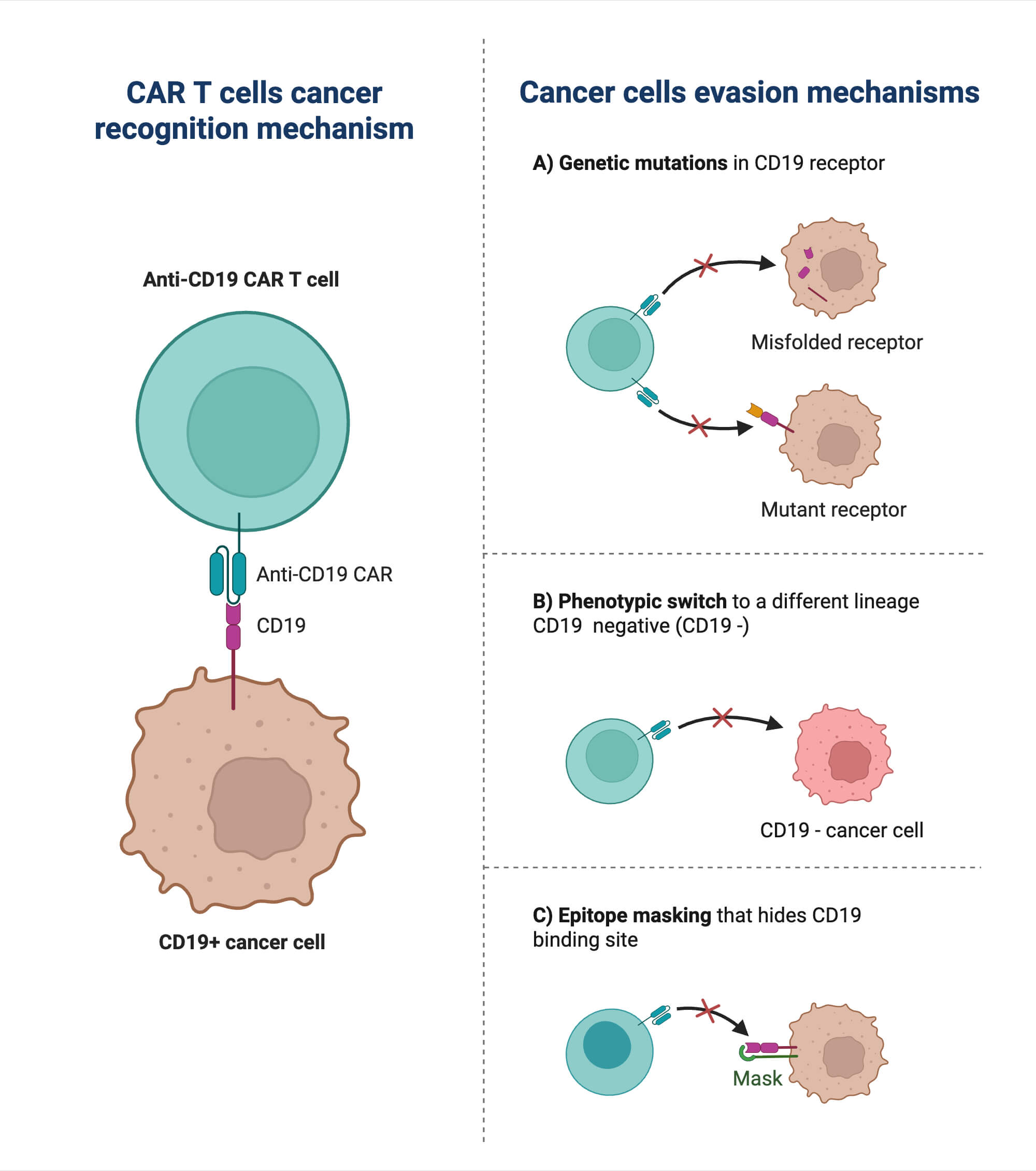
Neurotoxicity and the cytokine release syndrome (CRS) are the most commonly encountered side effects that become one of the major challenges of this therapy. Another major limitation of CAR T-cell therapy is tumor resistance via antigen escape, as shown in Figure 4, in which cancer cells lose the target antigen, reducing the effectiveness of single-antigen CAR T-cell treatments. Other includes CAR-T cell-related encephalopathy syndrome, macrophage activation syndrome, graft-versus-host disease, on-target/off-tumor toxicity, anaphylaxis, and hemophagocytic lymphohistiocytosis.
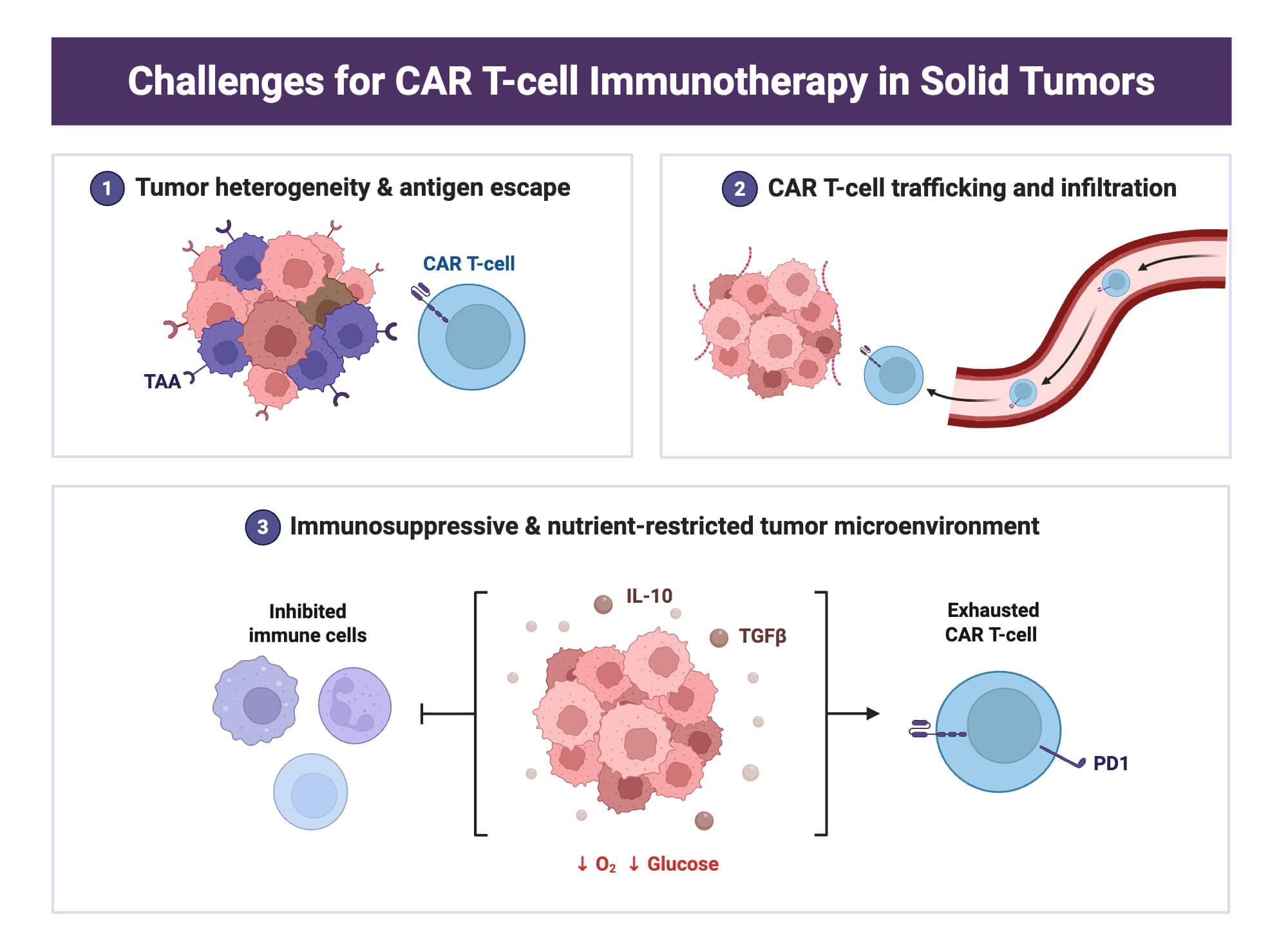
It is very limited in solid tumors because they have a physical tumor stroma, an immunosuppressive microenvironment, and lack specific, uniform targets, leading to poor infiltration and rapid exhaustion of CAR-T cells. Solid tumors also fail to express truly tumor-specific antigens. Solid tumors exhibit well-defined heterogeneity, including intratumoral and intertumoral heterogeneity, which undermines the efficacy of CAR-T cell therapy. The manufacturing and engineering of complex, patient-specific processes result in high costs. Off-tumor toxicity is also a challenge, as CAR-T cells can target normal tissues that express the same antigen as malignant cells.
Side Effects and Safety Concerns of CAR-T Therapy
The most general side effects of CAR-T therapy are cytokine release syndrome (CRS) and neurological issues, also known as CAR-T-cell-related encephalopathy syndrome (CRES). Cytokines are proteins that immune cells release when they target an infection. The rapid, uncontrolled release of cytokines into patients’ bloodstream causes various side effects. CRS is an inflammatory syndrome that causes effects as follows:
- Shortness of breath (dyspnea)
- Fever
- Hypotension
- Organ toxicities (Heart or lung issues, but very rare)
Safety concerns
- The patient should return to the hospital immediately if they develop a fever, as more serious symptoms may follow.
- CRS can resemble sepsis, and because patients are often immunocompromised after therapy, infection should always be considered.
- Fever assessment should involve cultures, chest imaging, and lactate levels. Neutropenic patients should receive empiric antibiotics, while growth factors may be used cautiously, as they can be contraindicated shortly after infusion for certain cell therapies.
- CRS grading should be performed, and management should be done accordingly.
Neurological issues include:
- Difficulty speaking (aphasia)
- Balance problems
- Confusion
- Difficulty writing (dysgraphia)
- Headache
- Seizures
Safety concerns
- Neurological event grading should be performed, and the grade should guide management.
- All patients with neurological symptoms should undergo brain imaging.
- It is crucial to educate patients and caregivers about all potential side effects of CAR-T cell therapy before treatment.
On-target, off-tumor toxicity side effects include:
- Sometimes tumour-specific antigens are expressed on healthy cells in essential organs such as the heart, lungs, or liver, which may be targeted by CAR-T cells, posing life-threatening risks.
Safety concerns
- Immunoglobulin replacement therapy should be performed.
Other side effects may include:
- Macrophage Activation Syndrome (MAS)
- Tumor Lysis Syndrome (TLS)
- Graft versus host disease (GVHD)
- Infusion-related allergic reaction
- Fatigue
- Bleeding more easily than usual (bruising)
- Hypokalemia
- Hyponatremia
- Increased risk of infection
Future Prospects and Advances in CAR-T Cell Therapy
Prospects for CAR-T cell therapy focus on improving efficacy, safety, accessibility, and cost-effectiveness through novel strategies, while accounting for biological and practical limitations. These include multi-antigen-targeting CARs, dual- and tandem CARs, and logic-gated systems (e.g., SynNotch) to prevent antigen escape and enhance tumor specificity. Emerging technology includes mRNA-based CAR offering cost-effective, rapid production, and improved safety through transient expression.
The next-generation engineered CARs targeting both tumor cells and the tumor microenvironment may enhance efficacy and persistence while reducing toxicity. These future developments and advancements are expected to make CAR-T cell therapy more effective, more widely accessible, and applicable to a broader range of diseases.
Conclusion
CAR-T cell therapy represents a promising, transformative, and highly personalised approach to cancer treatment, demonstrating remarkable success in haematological malignancies through specific, targeted, and long-lasting immune responses. However, challenges such as antigen escape, high cost, limited efficacy in solid tumours, and other various side effects persist. Continued advancements, research, and modifications in CAR design and targeting strategies are expected to improve safety, broaden applications, enhance cost-effectiveness, and improve overall therapeutic outcomes.
References
- De Marco RC, Monzo HJ, Ojala PM. CAR T Cell Therapy: A Versatile Living Drug. Int J Mol Sci. 2023 Mar 27;24(7):6300. doi: 10.3390/ijms24076300. PMID: 37047272; PMCID: PMC10094630.
- Mitra A, Barua A, Huang L, Ganguly S, Feng Q, He B. From bench to bedside: the history and progress of CAR T cell therapy. Front Immunol. 2023 May 15;14:1188049. doi: 10.3389/fimmu.2023.1188049. PMID: 37256141; PMCID: PMC10225594.
- Zugasti, I., Espinosa-Aroca, L., Fidyt, K. et al. CAR-T cell therapy for cancer: current challenges and future directions. Sig Transduct Target Ther 10, 210 (2025).
- Sun, L., Su, Y., Jiao, A. et al. T cells in health and disease. Sig Transduct Target Ther 8, 235 (2023). https://doi.org/10.1038/s41392-023-01471-y
- Kumar BV, Connors TJ, Farber DL. Human T Cell Development, Localization, and Function throughout Life. Immunity. 2018 Feb 20;48(2):202-213. doi: 10.1016/j.immuni.2018.01.007. PMID: 29466753; PMCID: PMC5826622.
- Skorka K, Ostapinska K, Malesa A, Giannopoulos K. The Application of CAR-T Cells in Haematological Malignancies. Arch Immunol Ther Exp (Warsz). 2020 Nov 6;68(6):34. doi: 10.1007/s00005-020-00599-x. PMID: 33156409; PMCID: PMC7647970.
- Asmamaw Dejenie T, Tiruneh G/Medhin M, Dessie Terefe G, Tadele Admasu F, Wale Tesega W, Chekol Abebe E. Current updates on generations, approvals, and clinical trials of CAR T-cell therapy. Hum Vaccin Immunother. 2022 Nov 30;18(6):2114254. doi: 10.1080/21645515.2022.2114254. Epub 2022 Sep 12. PMID: 36094837; PMCID: PMC9746433.
- Zhang, Y., Qin, D., Shou, A. C., Liu, Y., Wang, Y., & Zhou, L. (2022). Exploring CAR-T Cell Therapy Side Effects: Mechanisms and Management Strategies. Journal of Clinical Medicine, 12(19), 6124. https://doi.org/10.3390/jcm12196124
- Kowalczyk, A., Zarychta, J., Marszołek, A., Zawitkowska, J., & Lejman, M. (2023). Chimeric Antigen Receptor T Cell and Chimeric Antigen Receptor NK Cell Therapy in Pediatric and Adult High-Grade Glioma—Recent Advances. Cancers, 16(3), 623. https://doi.org/10.3390/cancers16030623
- Goyco Vera D, Waghela H, Nuh M, Pan J, Lulla P. Approved CAR-T therapies have reproducible efficacy and safety in clinical practice. Hum Vaccin Immunother. 2024 Dec 31;20(1):2378543. doi: 10.1080/21645515.2024.2378543. Epub 2024 Aug 5. PMID: 39104200; PMCID: PMC11305028.
- Adkins S. CAR T-Cell Therapy: Adverse Events and Management. J Adv Pract Oncol. 2019 May-Jun;10(Suppl 3):21-28. doi: 10.6004/jadpro.2019.10.4.11. Epub 2019 May 1. PMID: 33520343; PMCID: PMC7521123.
- https://my.clevelandclinic.org/health/treatments/17726-car-t-cell-therapy
- Rohit Reddy S, Llukmani A, Hashim A, Haddad DR, Patel DS, Ahmad F, Abu Sneineh M, Gordon DK. The Role of Chimeric Antigen Receptor-T Cell Therapy in the Treatment of Haematological Malignancies: Advantages, Trials, and Tribulations, and the Road Ahead. Cureus. 2021 Feb 25;13(2):e13552. doi: 10.7759/cureus.13552. PMID: 33815972; PMCID: PMC8007123.
- Sterner, R. C., & Sterner, R. M. (2021). CAR-T cell therapy: Current limitations and potential strategies. Blood Cancer Journal, 11(4), 69. https://doi.org/10.1038/s41408-021-00459-7
- Sioud, M., & Casey, N. P. (2025). Engineering Immunity: Current Progress and Future Directions of CAR-T Cell Therapy. International Journal of Molecular Sciences, 27(2), 909. https://doi.org/10.3390/ijms27020909
