
Photosynthesis is a process in which green plants, algae, and certain bacteria harness light energy into chemical energy, primarily in the form of glucose. In higher plants, the process primarily occurs in chloroplasts, which are specialized organelles located within the mesophyll cells of the leaf.
Photosynthesis occurs primarily in leaves because they have a larger surface area for contact and contain a higher number of chloroplasts for the process than other plant tissues.
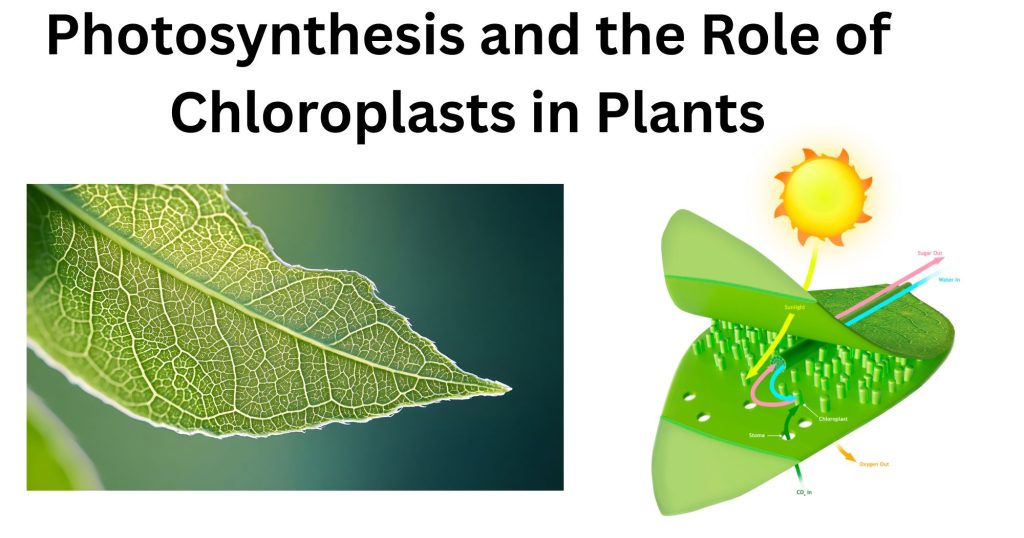
These organelles enable the conversion of carbon dioxide and water into glucose and oxygen, using sunlight as the energy source (Taiz et al., 2015).
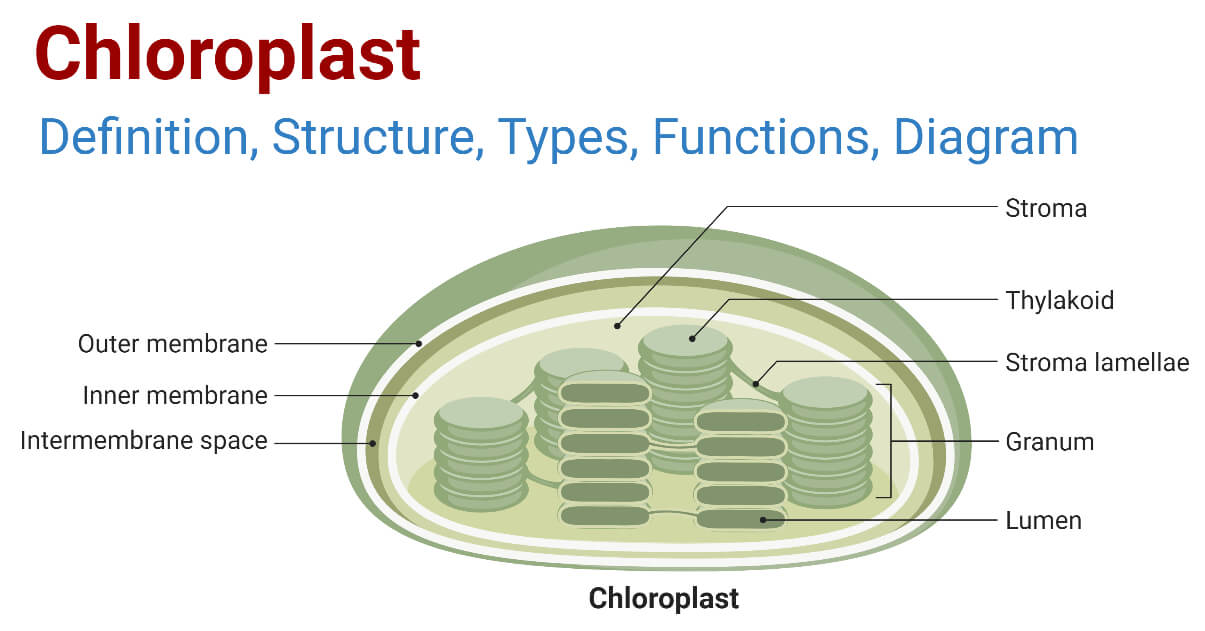
Anatomy of a chloroplast
Chloroplasts contain a double-membrane envelope and an internal membrane system that forms three separate compartments: the intermembrane space, the stroma, and the thylakoid lumen. The thylakoids are disk-shaped, membrane-enclosed sacs in which light-dependent reactions take place. They tend to be grouped into structures known as grana, linked with stromal lamellae.
The lumen is the interior aqueous space of thylakoids. The stroma is the fluid-filled space surrounding the thylakoids and contains enzymes necessary for the Calvin Cycle, ribosomes, DNA, and starch granules (Nelson & Cox, 2017).
Light-dependent Reactions
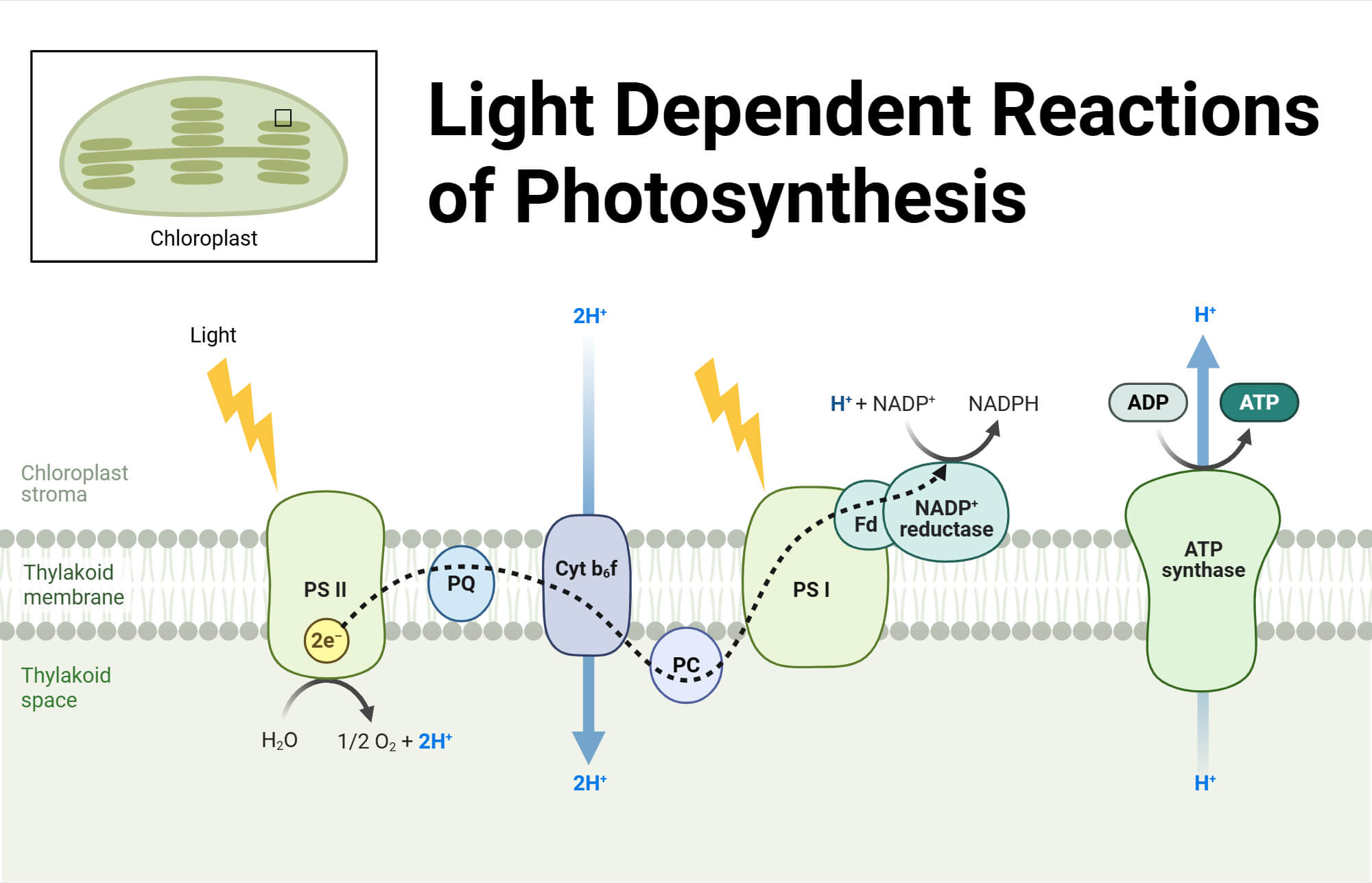
Light-dependent reactions are the first phase of photosynthesis, where solar energy is trapped and stored in the form of chemical energy as ATP and NADPH. These reactions take place in the thylakoid membrane of the chloroplasts of plant cells and need direct light to occur. These energy products of this process are then utilized in the Calvin cycle to form carbohydrates.
Two multi-protein pigment complexes called photosystem I (PSI) and photosystem II (PSII) are at the heart of the light reactions. They are composed of a light-harvesting complex that includes several pigments such as chlorophyll a, chlorophyll b, and carotenoids, and a reaction center where the reaction takes place. The photons are absorbed by the pigments and passed inward until they are received by a special pair of chlorophyll molecules: P680 in PSII and P700 in PSI.
Initiation at Photosystem II (PSII)
Initiation occurs when a photon of light is trapped by a pigment molecule within PSII. The trapped energy is transferred through the light-harvesting complex to the reaction center, where it excites the electron of the P680 chlorophyll molecule. The excited state, represented as P680, permits the electron to be transferred to a primary electron acceptor molecule.
To replace the missing electron, a water molecule is broken (photolysis) into oxygen, protons (H⁺), and electrons. The reaction is: 2H2O→O2+4H++4e−
This reaction leaves behind molecular oxygen as a byproduct and provides protons to the thylakoid lumen that aid in the creation of a proton gradient.
Electron Transport Chain and Proton Gradient Formation
The energetic electron from PSII is passed along via an electron transport chain (ETC) made up of a number of proteins, such as plastoquinone (PQ), cytochrome b6f complex, and plastocyanin (PC). While electrons pass along the ETC, they become less energetic, which is utilized by the cytochrome b6f complex to pump more protons from the stroma to the thylakoid lumen. This raises the concentration of protons inside the lumen, creating a steep electrochemical proton gradient across the thylakoid membrane.
This proton motive force is harnessed by ATP synthase, which is an enzyme embedded in the membrane, to convert ADP and inorganic phosphate (Pi) into ATP. When protons move back into the stroma via the ATP synthase complex (a process called chemiosmosis), the enzyme drives the creation of ATP on the stromal side.
Excitation at Photosystem I (PSI) and NADPH Formation
The electron, having traversed the cytochrome b6f complex, is received by PSI. It is re-energized here with the help of another photon of light that is absorbed by pigments in the PSI light-harvesting complex. The energy is directed to the P700 reaction center, where another high-energy electron is generated and transferred to another electron acceptor.
The electron from PSI goes through a second, shorter electron transport chain containing the proteins ferredoxin (Fd) and ferredoxin-NADP⁺ reductase (FNR). At the end of this chain, the electron reduces NADP⁺ into NADPH with the assistance of a second electron and a proton:
NADP++2e−+H+→NADPH
NADPH is also released in the stroma and plays a crucial role in catalyzing the reduction reactions of the Calvin cycle.
Non-Cyclic vs. Cyclic Photophosphorylation
The mechanism described above is called non-cyclic photophosphorylation, as the electrons pass in a straight line from water to NADP⁺, with the result that ATP and NADPH are formed and oxygen is released.
By contrast, cyclic photophosphorylation is where electrons from PSI are recycled back to the cytochrome b6f complex rather than utilized to drive the reduction of NADP⁺. This process does not yield NADPH or O₂ but yields extra ATP, which ensures equilibrium in the ATP/NADPH ratio demanded by the Calvin cycle.
Energetics of Electron Excitation
The whole process of light-dependent reactions relies on the excitation of electrons by photons. The energy from light absorbed increases electrons in P680 and P700 to a more energetic level, making subsequent electron transfers along the ETC possible energetically. Without constant light absorption, excitation, and flow of electrons, ATP and NADPH synthesis would not be feasible.
These products, ATP and NADPH, are subsequently utilized in the Calvin cycle for the formation of glucose and other carbohydrates.
Chlorophyll and Accessory Pigments: Trapping Sunlight
The most significant pigment in the absorption of solar energy in the process of photosynthesis is chlorophyll. It can be identified mostly in the thylakoid membranes of chloroplasts, and it exists mainly in two forms in higher plants: chlorophyll a and chlorophyll b. Chlorophyll a is necessary for the photochemical part of photosynthesis, and it directly involves the translation of light energy into chemical energy. It is most light-absorbing in blue-violet and red parts of the electromagnetic spectrum. Chlorophyll b, however, is an accessory pigment that extends the range of available light that a plant may utilize by absorbing those wavelengths in the blue and the orange-red regions and passing the energy on to chlorophyll a.
Besides chlorophylls, algae have a collection of accessory pigments that are used to boost the efficiency of photosynthesis, which include carotenoids (carotenes and xanthophylls), as well as phycobilins. These pigments absorb other wavelengths of light that are not efficiently harvested by chlorophyll and quench excessive light energy as heat and protect the photosynthetic apparatus through such a process to avert photooxidative damage. In collaboration, therefore, chlorophyll and accessory pigments allow plants to make the best utilization of solar energy within the widest band of wavelengths. The combination of the absorption profile of these pigments results in the photosystems being relatively high-efficiency light-absorbing complexes that capture the energy of photons and transfer the energy to the flow of electrons that drive the ATP and NADPH synthesis.
Photosynthesis in Stem and Algal Photosynthesis
Although leaves are the main photosynthetic organs of most vascular plants, it is not exclusive to the leaves. Photosynthesis is also performed by several non-leaf structures under certain circumstances. A filtering one is observable in algae with specialized chloroplasts that are structurally and functionally adapted to live in water. The chloroplasts of algae cells may have further pigments, like phycocyanin and phycoerythrin (especially red algae and blue-green algae), that give them the capability of absorbing light at shorter wavelengths that travel further into water masses. This is a very important adaptation to making maximum use of light in environments where light quality and intensity change with depth.
Photosynthesis in terrestrial cells can also take place in green stems, petioles, and also in mature green fruits in the absence of leaves or with a reduction in them. Photosynthesis Stem photosynthesis can be an important process in plants such as cacti and some of the herbaceous species whose chlorophyllous tissues in the stem take over some of the functions of the much-reduced leaf surface. This form of photosynthesis is commonly referred to as the corticular photosynthesis and aids in sustaining carbon assimilation under conditions of stress, like drought stress or defoliation. Furthermore, some desert plants and succulents use Crassulacean Acid Metabolism (CAM), and this creates the situation where stem photosynthesis plays a significant role in water-use efficiency.
Such diverse photosynthesis complexes show the flexibility of plants and algae to harness solar energy, to position the photosynthetic apparatus, and assemble it to fit local conditions.
Optimization of the Chloroplast Structure for Photosynthesis
The specialized organelles found in plant and algal cells are chloroplasts, which are structurally adapted to serve the ATP production process of photosynthesis to the best of their abilities. They have a complex interior system that is surrounded by their two membranes, the stroma (protein-rich) and many internal membranes of thylakoids. These thylakoids are then stacked into structures known as grana, where they contain the protein-pigment complexes needed to participate in the light-dependent reactions of photosynthesis. The arrangement of photosystems I and II, the cytochrome b6f complex, and ATP synthase along the thylakoid membrane is organized in such a way that facilitates stepwise movement of electrons as well as the formation of the proton gradient, both of which play significant roles in the production of ATP and NADPH.
The photosynthesis reassembly is handled by compartmentalization within the chloroplast so that the various stages of the process are separated in different areas; light-dependent reactions take place on thylakoid membranes, whereas the Calvin Cycle is confined to the stroma. This compartmentalization defines interference and biochemical efficiency. Thylakoid membranes have a very large surface area, allowing a high rate of light absorption and accommodation of large quantities of electron transport chains and protein complexes of photosynthesis. Moreover, the accessory pigments in these membranes give an advantage in increasing the range of the usable spectrum of light wavelengths, so that chloroplasts can attain a maximum in capturing energy even in low-light conditions.
Evolutionary Origin of Chloroplasts: Endosymbiotic Theory
The most likely explanation of the origin of chloroplasts is the endosymbiotic theory, according to which the chloroplasts evolved due to the predatory engulfment of ancient photosynthetic cyanobacteria by an ancestral eukaryotic organism. Based on this theory, the engulfed prokaryote did not get digested, but rather a mutualistic relationship was initiated with its host in which it gave it the photosynthetic abilities in exchange for shelter and nutrients. Through time, a substantial portion of the genetic material of the endosymbiont was transferred to the host nucleus, and the endosymbiont evolved into an organelle, the present-day chloroplast. This theory has been supported in several ways, including the fact that chloroplasts possess circular DNA, like that of bacteria, possess 70S ribosomes like those of the bacteria, and divide by binary fission independently of the nuclear division of the host cell. The fact that chloroplast genes as a group are closely phylogenetically related to cyanobacteria is borne out by phylogenetic analysis. The theory even allows insight as to how photosynthesis may have originated in eukaryotes, as well as being useful in the understanding of the evolutionary transitions to life at the complex plant level.
Environmental factors affecting chloroplast function
Chloroplasts are very vulnerable to changes in their local environment in terms of their performance and efficiency. These factors not only affect the speed of photosynthesis but also the structural and functional integrity of the chloroplasts. Some of the important environmental variables that influence the chloroplast activity are:
Light intensity and quality
Photosystems in the thylakoid membrane require light to be activated. The low light conditions cause low photochemical efficiency and a decreased rate of ATP/NADPH production. Conversely, very intense light can lead to photoinhibition of Photosystem II (PSII) much more often because of the reactive oxygen species (ROS) buildup. Photosynthesis can be done best by blue and red light, the least path followed is by green light, which is not very much utilized.
Temperature
Photosynthesis is a process that is affected by temperature. When temperatures are low, enzymatic reactions are inhibited, particularly the ones in the Calvin cycle. The warm temperatures can cause the denaturation of the required enzymes, such as Rubisco, and the alteration of the thylakoid membrane fluidity. Most mesophytic plants tend to optimally grow between the temperatures of 20-30 0 C.
Water Availability
In the light-dependent reactions in photosynthesis, water is a reactant needed in the process of photolysis. Stomatal closure is the result of water stress that reduces the ability to absorb CO2. This initiates photorespiration, an inefficient process that competes with the Calvin cycle and leads to a drop in the level of carbon fixation.
Nutrient Availability
Magnesium is required in the mechanism of chlorophyll formation, nitrogen is essential in amino acids and nucleotides, and phosphorus plays a crucial role in ATP. Lack of any of these nutrients in the plant may cause chlorosis (yellowing of the plant leaves), impairment of the development of the cell chloroplasts, and energy transformation.
Oxidative stress and air Pollutants
Chloroplast membranes may be destroyed by ozone, sulfur dioxide, and heavy metals, as well as by enzyme activity that may be blocked. These pollutants may cause an increase in Oxidative stress in the chloroplast, leading to the production of the electron transport chain and diminished photosynthesis yield.
The Super-Efficient Chloroplasts Engineering Project
The futuristic strategies are based on genetic, biochemical, and structural changes to maximize the capture of all sources of energy and assimilation of carbon.
Rubisco Engineering-The primary enzyme involved in the CO 2 fixation (which is rubisco) is naturally very slow and likely to catalyze a futile reaction with O 2. The scientists are replacing the crop plants with more efficient Rubisco isoforms of cyanobacteria or algae. Such designed enzymes will be more specific to CO 2, and they should have enhanced turnover rates, improving photorespiration losses.
Artificial Carbon-Concentrating Mechanisms (CCMs)- Naturally occurring CO 2 concentration around Rubisco occurs due to localization in some algae and cyanobacteria. Synthetic biologists are currently in the business of transferring such CCMs into C3 crops such as rice and wheat. This involves engineering of microcompartments, e.g., carboxysomes or pyrenoids, inside a chloroplast in order to increase the use of carbon.
Enlarged Light Absorption– The conventional chlorophyll pigments mainly interfere with blue and red light. Plants are being genetically modified to contain accessory pigments such as phycobiliproteins or bacteriochlorophylls, which can absorb green and far-red light, and thereby extend the range of available light and enhance photosynthesis to increase performance in low-light conditions and under shade as well.
Optimized Architecture of Thylakoid Membranes– Efficiencies in the flow of electrons within thylakoid membranes can be improved through structural rearrangements of the thylakoid membrane, e.g., changing the grana stacking or the pathway of electron carriers. This enhances the production of ATP and NADPH, especially in varying light conditions.
CRISPR Chloroplast Genome Editing– The phototrophic genetic regulation is possible by target-specific editing of chloroplast genomes with the help of the CRISPR/Cas systems. Scientists are now able to inject desirable characteristics such as stress tolerance, better pigmentation patterns, and better protein complexes within the plastome directly.
Artificial/Semi-Synthetic Chloroplasts– Scientists are also experimenting with hybrid systems consisting of a combination of biological and nanotechnology elements to design artificial chloroplasts. These can be applied to the generation of clean energy, capturing carbon, or even space agriculture, providing a whole new paradigm of photosynthesis that does not have to be based on natural plant systems.
Together, these innovations point toward a future where photosynthesis can be rationally designed for maximum productivity and environmental sustainability.
Conclusion
Photosynthesis pulls together plants, humans, and all living creatures on Earth because it is the engine of the life cycle on Earth by converting solar energy (light) to chemical energy. The core of this complicated procedure lies in chloroplasts as a highly specialized organelle, the internal structure of which, with thylakoids, grana, stroma, and pigments such as chlorophyll, is perfectly adjusted to absorb maximum light and convert it to energy. It starts with the light-dependent actions in the thylakoid membranes, whereby sunshine is captured to form ATP and NADPH. These energy carriers provide the Calvin cycle in the stroma that catalyzes the fixing of atmospheric CO2 into glucose, the basic fuel for living creatures.
Also important here are the light-harvesting pigments, or the pigments that help to increase the light uptake region and boost efficiency; they include the main pigments (chlorophyll a and b) and the additional pigments (including carotenoids and xanthophylls). Although leaves are usually the place to find photosynthesis, this ability is also attributed to stems and even aquatic algae, showing the versatility in the way nature can utilize the light even in various conditions of the environment.
The endosymbiosis theory of the origin of the chloroplast highlights the evolutionary creativity that gave rise to photosynthetic eukaryotes that changed the atmosphere of the Earth irreversibly, and provided the aerobic life form. Nevertheless, photosynthesis does not always render the desired results; it is vulnerable to ambient conditions, including light exposure, temperature, concentration of CO2, and access to water. These are conditions of the environment that can ease or slow down the process of photosynthesis and, consequently, the growth and productivity of the plants.
To sum up, the process of photosynthesis is more than a biochemical pathway; it is the engine on which life on Earth is based. At the molecular level of how photosynthesis operates inside the chloroplasts, to the possibility of bioengineering super-efficient ones, photosynthesis is what has to be understood and enhanced to make this planet sustainable and prosperous.
References
- Taiz, L., Zeiger, E., Møller, I. M., & Murphy, A. (2015). Plant Physiology and Development (6th ed.). Sinauer Associates.
- Alberts, B., Johnson, A., Lewis, J., Raff, M., Roberts, K., & Walter, P. (2015). Molecular Biology of the Cell (6th ed.). Garland Science.
- Nelson, D. L., & Cox, M. M. (2017). Lehninger Principles of Biochemistry (7th ed.). W. H. Freeman and Company.
- Libretexts. (2025, July 28). 4.1.5: the light-dependent reactions. Biology LibreTexts. https://bio.libretexts.org/Bookshelves/Botany/Botany_(Ha_Morrow_and_Algiers)/04%3A_Plant_Physiology_and_Regulation/4.01%3A_Photosynthesis_and_Respiration/4.1.05%3A_The_Light-dependent_Reactions
- Khan Academy | Khan Academy. (n.d.). https://www.khanacademy.org/science/ap-biology/cellular-energetics/photosynthesis/a/calvin-cycle
- SATHEE: Photosynthesis. (n.d.). https://sathee.iitk.ac.in/article/biology/photosynthesis/
- Libretexts. (2023, August 31). 7.8: The Endosymbiotic Theory. Biology LibreTexts. https://bio.libretexts.org/Bookshelves/Microbiology/Microbiology_(Kaiser)/Unit_4%3A_Eukaryotic_Microorganisms_and_Viruses/07%3A_The_Eukaryotic_Cell/7.8%3A_The_Endosymbiotic_Theory
- Chávez, B. J., Ornelas, S. S., Cruz, Q. R., Barriga, C. D. G., Gallegos, S. A., Figueroa, B. F. I., Estrada, L. I. S., Cendón, T. S., García, S. R. S., & Sánchez, E. a. E. (2023). Chloroplasts: The future of Large-Scale Protein Production. In Physiology. https://doi.org/10.5772/intechopen.111829
- Gotoh, E., Suetsugu, N., Yamori, W., Ishishita, K., Kiyabu, R., Fukuda, M., Higa, T., Shirouchi, B., & Wada, M. (2018). Chloroplast accumulation response enhances leaf photosynthesis and plant biomass production. PLANT PHYSIOLOGY, 178(3), 1358–1369. https://doi.org/10.1104/pp.18.00484
- Li, R., He, Y., Chen, J., Zheng, S., & Zhuang, C. (2023). Research progress in improving photosynthetic efficiency. International Journal of Molecular Sciences, 24(11), 9286. https://doi.org/10.3390/ijms24119286
