
Ventilator-associated pneumonia (VAP) is a type of pneumonia that develops 48 hours or more after mechanical ventilation is administered via an endotracheal tube or tracheostomy. This condition arises from the infiltration of microorganisms into the lower respiratory tract and lung parenchyma, as intubation disrupts the integrity of the oropharynx and trachea, permitting oral and gastric secretions to enter the lower airways.
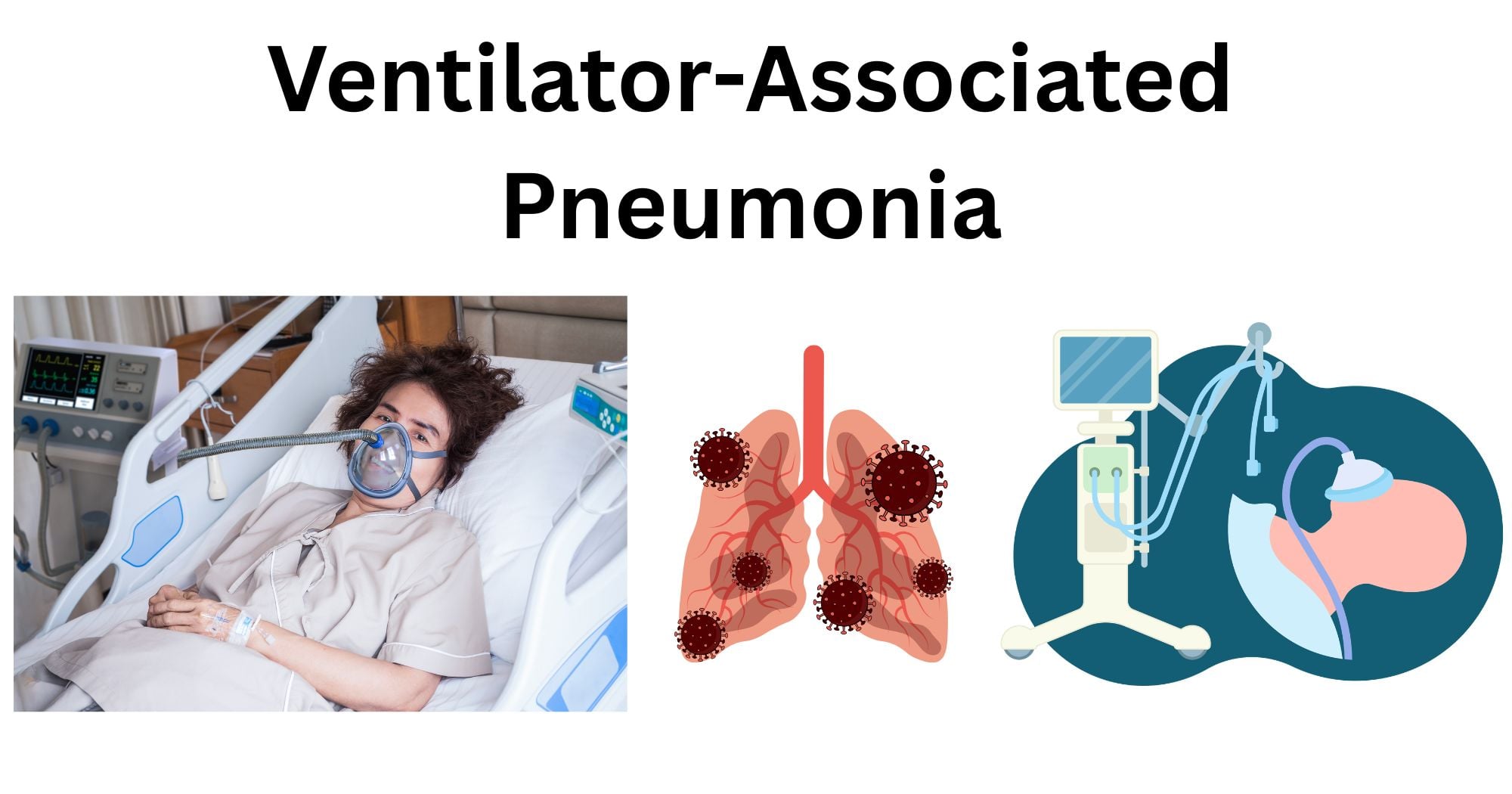
However, hospital-acquired pneumonia (HAP) is pneumonia that happens 48 hours or more after a patient is admitted to a hospital and is not on a ventilator. Both conditions present substantial risks to patients, potentially resulting in heightened morbidity and mortality. To lower the number of these infections in people who are more likely to get them, it is important to use prevention strategies like good hand hygiene, raising the head of the bed, and regular oral care.
Epidemiology and Incidence of Ventilator-Associated Pneumonia (VAP) in Intensive Care Units
Ventilator-associated pneumonia is a prevalent complication, occurring in 7-32% of healthcare-associated infections and 10% of children with device-related infections, as well as in 10% of patients receiving mechanical ventilation. About 9% of patients who need intermittent mechanical ventilation for more than 48 hours stay in the ICU and the hospital for longer periods of time, which shows how VAP affects and burdens the Portuguese healthcare system. The longer a person is on mechanical ventilation, the more likely they are to get ventilator-associated pneumonia and the more likely they are to die.
Causes and pathogenesis, along with risk factors for the development of Ventilator-Associated Pneumonia (VAP)
The primary etiology of VAP is pathogens, typically resulting from cross-bacterial transmission, specifically nosocomial infection. A patient’s medical history, in conjunction with risk factors associated with multiple drug resistance, is exacerbated by the addition of the following factors:
- Current hospitalization admission more than 48 hours or 5 days
- Antibiotic use in the previous 90 days
- Residence in a nursing home or extended-care facility
- Home infusion therapy and wound care
- Long-term dialysis within 30 days
- Immunocompromise condition
The later modification of antibiotics will not improve the patient’s mortality risk outcome if suitable antibiotics are chosen. So, it is necessary to select a suitable antibiotic before it’s too late.
Clinical features of Ventilator-Associated Pneumonia (VAP)
Most of the patients with VAP present with a gradual or sudden onset of the following clinical features after 48 hours of intubation duration:
- Fever > 38 degree C or <36 degree C
- Tachypnea
- Rhonchi/crackle sound
- Reduced breath sound
- leukocytosis/leukopenia
- Purulent or increased tracheobronchial secretions
- Bronchospasm
Diagnosis of Ventilator-Associated Pneumonia (VAP)
To diagnose the VAP, certain investigations should proceed. Some of them are as follows:
- Chest X-ray or chest imaging combined with clinical features
- Endotracheal Aspirate (ETA): diagnostic threshold of more than 10^5 colony-forming unit/ml
- Bronchoalveolar Lavage (BaL): gold standard with a threshold of more than 10^4 colony-forming units/ml
- Protected Specimen Brush (PsB): high specificity with a threshold of more than 10^3 colony-forming units/ml
- Gram stain and Culture of sputum/secretion from the ET
- PCR (Polymerase Chain Reaction)
- CPIS (Clinical Pulmonary Infection Score): combining clinical, radiological, and microbiological data.
Treatment and Antibiotic Therapy of Ventilator-Associated Pneumonia (VAP)
The guidelines of ATS/IDSA recommend that gram-negative as well as gram-positive bacilli be included in all empiric regimens to treat suspected VAP. At first, empiric regimen selection guides local antibiotic-resistance data and generates an antibiogram specific to their location that should be selected from the following groups of antibiotics:
- Gram-positive antibiotics with MRSA activity: linezolid or vancomycin
- Gram-negative beta-lactam-based antibiotics: piperacillin-tazobactam, cefepime, ceftazidime, imipenem, meropenem, or aztreonam
- Gram-negative non-beta-lactam-based antibiotics: ciprofloxacin or levofloxacin
Antibiotic therapy for the patient is recommended by the health care practitioner only.
Prevention strategy for Ventilator-Associated Pneumonia (VAP)
Patients intubated with mechanical ventilation increase the risk of pneumonia about 3 to 21-fold; that should be avoided as much as possible. To prevent VAP, the following factors should be implemented:
- Position the patient for 2 hours in a semi-recumbent position, then supine
- Early enteral feeding should be recommended even if the route of feeding increases the incidence of VAP; it provides nutrition to the body.
- Continuous aspiration of subglottic secretions reduces the early onset of VAP
- Cuff pressures should be maintained at greater than 20 cm of water to prevent aspiration around the endotracheal tube.
- Passive humidifiers or heat-moisture exchangers are preferred to reduce colonization of the ventilator circuit.
- Application of protocols for sedation as well as weaning reduces the duration of ventilation
- Oral care with chlorhexidine thrice a day may assist in preventing VAP as well as HAP
Similarly, multiple interventions like head of bed elevation, suctioning of subglottic secretion drainage, oral care with chlorhexidine, and daily spontaneous awakening and breathing trials have shown decreased VAP.
Ventilator-Associated Pneumonia (VAP) vs. Hospital-Acquired Pneumonia (HAP)
The signs and symptoms, as well as treatment protocols, are usually the same for both, but their differences are shown below:
| Ventilator-associated pneumonia | Hospital-acquired pneumonia |
| – Subset of HA Pneumonia >48 hours post-intubation in ICU – The primary cause is microaspiration via the endotracheal tube – High risk of MDR bacteria – High mortality rate | – Pneumonia >48 hours post-admission in the hospital – The primary cause is aspiration of oropharyngeal flora – Moderate risk of MDR bacteria – Immediate mortality rate |
Complications and outcomes of Ventilator-Associated Pneumonia (VAP)
- Respiratory distress and failure
- Ventilator-induced lungs injury
- Lung abscess, pleural infection
- Pulmonary Infraction
- Ventilator-associated tracheobronchitis
- Multiple drug-resistant infections
- Sepsis and septic shock
- Death
Conclusion
Ventilator-associated pneumonia (VAP) is a common infection in ventilated patients in the ICU, leading to a high incidence and mortality rate. It is associated with prolonged mechanical ventilation, increased length of ICU stays, and higher healthcare costs. Prevention is possible through daily care practices, such as performing oral care three times a day, maintaining head elevation, taking sedation breaks daily, suctioning, etc. Effective diagnosis requires a combination of clinical strategies, microbiological cultures, and chest imaging. Treatment options are the administration of antibiotics, accordingly.
Although VAP has a mortality and incidence rate, it can be prevented if the patient is provided care as per infection control protocols.
References
- Kalil, A. C., Metersky, M. L., Klompas, M., Muscedere, J., Sweeney, D. A., Palmer, L. B., Napolitano, L. M., O’Grady, N. P., Bartlett, J. B., Carratalà, J., EI Solh, A. A., Ewig, S., Paul, D., Fey, P. D., File, T. M., Restrepo, M. I., Roberts, J. A., Waterer, G. W., Cruise, P., … Brozek, J. L. (2016, July 14). Management of Adults With Hospital-acquired and Ventilator-associated Pneumonia: 2016 Clinical Practice Guidelines by the Infectious Diseases Society of America and the American Thoracic Society. Clinical Infectious Disease. 10.1093/cid/ciw353
- Kohbodi, G., Rajasurya, V., & Noor, A. (2023, September 4). Ventilator-Associated Pneumonia. StatPearls Publishing. 29939533
- Lacherade, J. C., De, B. J., Guezennec, P., et al. (2010, Oct 1). Intermittent subglottic secretion drainage and ventilator-associated pneumonia. a multicenter trial, 7(910-7), 182.
- Magill, S. S., Edwards, J. R., Bamberg, W., et al. (2014, March 27). For the Emerging Infection Program Healthcare-Associated Infections and Antimicrobial Use Prevalence Survey Team. Multistate point-prevalence survey of health care-associated infections, 13(1198-208), 370.
- Mergulhão, P., Pereira, J. G., Fernandes, A. V., Krystopchuk, A., Ribeiro, J. M., Miranda, D., Castro, H., et al. (2024). Epidemiology and Burden of Ventilator-Associated Pneumonia among Adult Intensive Care Unit Patients: A Portuguese, Multicenter, Retrospective Study (eVAP-PT Study). PubMed Central. 10.3390/antibiotics13040290
- Wang, Y., Metersky, M., et al. (2014, Jan 23). National Trends in Patient Safety for Four Common Conditions. 4(341-51), 370.
