
When a body comes into contact with a heated object or senses danger, it suddenly retracts. Between sensing the stimulus and executing the sudden reflex action, several cells and organs in the body are activated.
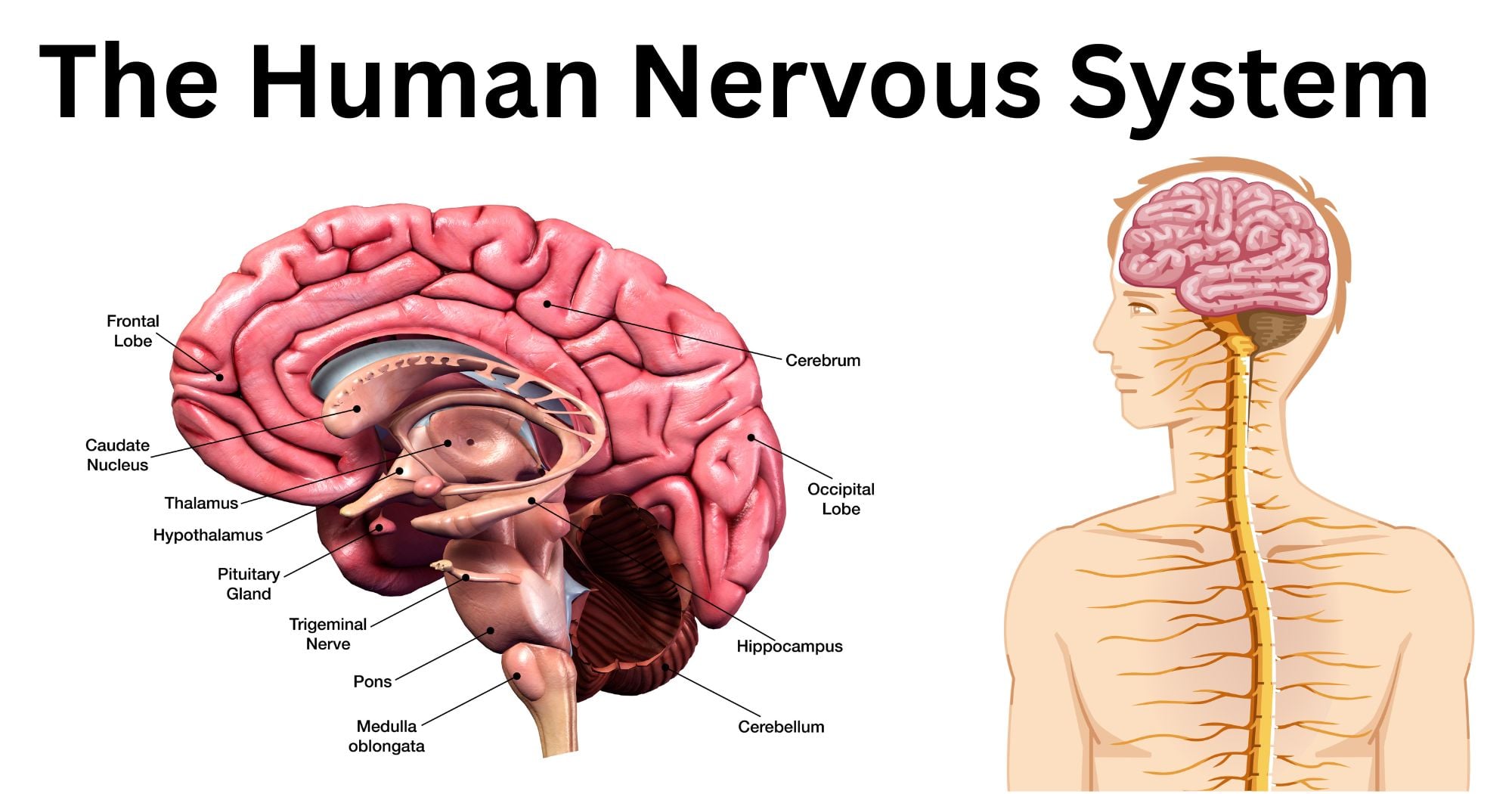
The Human Nervous System is a complex biological system comprising highly specialized cells and organs that coordinate to detect various stimuli, receive information, transmit it throughout the body, and determine a particular response.
It controls overall bodily activity by exchanging information, processing it in the brain, and sending output signals to muscles or organs.
Structure and Organization of the Human Nervous System
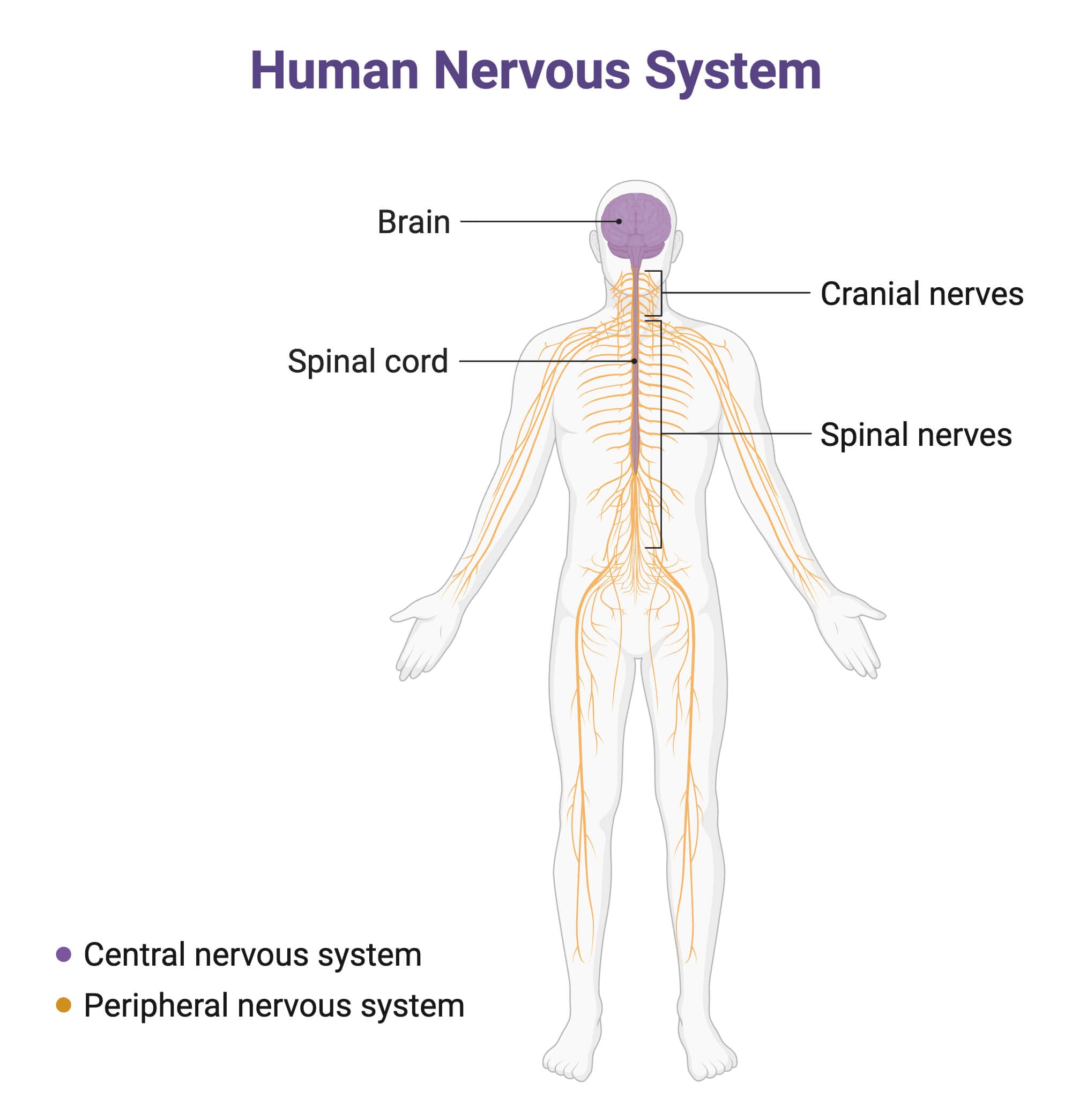
The nervous system can be categorized into two major parts:
- The Central Nervous System
- The Peripheral Nervous System
These systems are made up of the following fundamental structures:
- Nerve Cells
- Neurons
- Glial cells
- Synapses
- Neurotransmitters
Nerve cells
The nervous system consists of specialized cells that help receive and transmit electrochemical signals. These cells are termed the nerve cells. There are two types of nerve cells:
Neurons
Neurons are the primary nerve cells that act as the structural as well as functional unit of the nervous system.
Structure of Neuron: A neuron consists of two major structures: the axon and the dendrites. Along with these structures, they also contain a typical cell body called a cyton or soma, an axon hillock, a myelin sheath, a node of Ranvier, a Schwann cell, and an axon terminal.
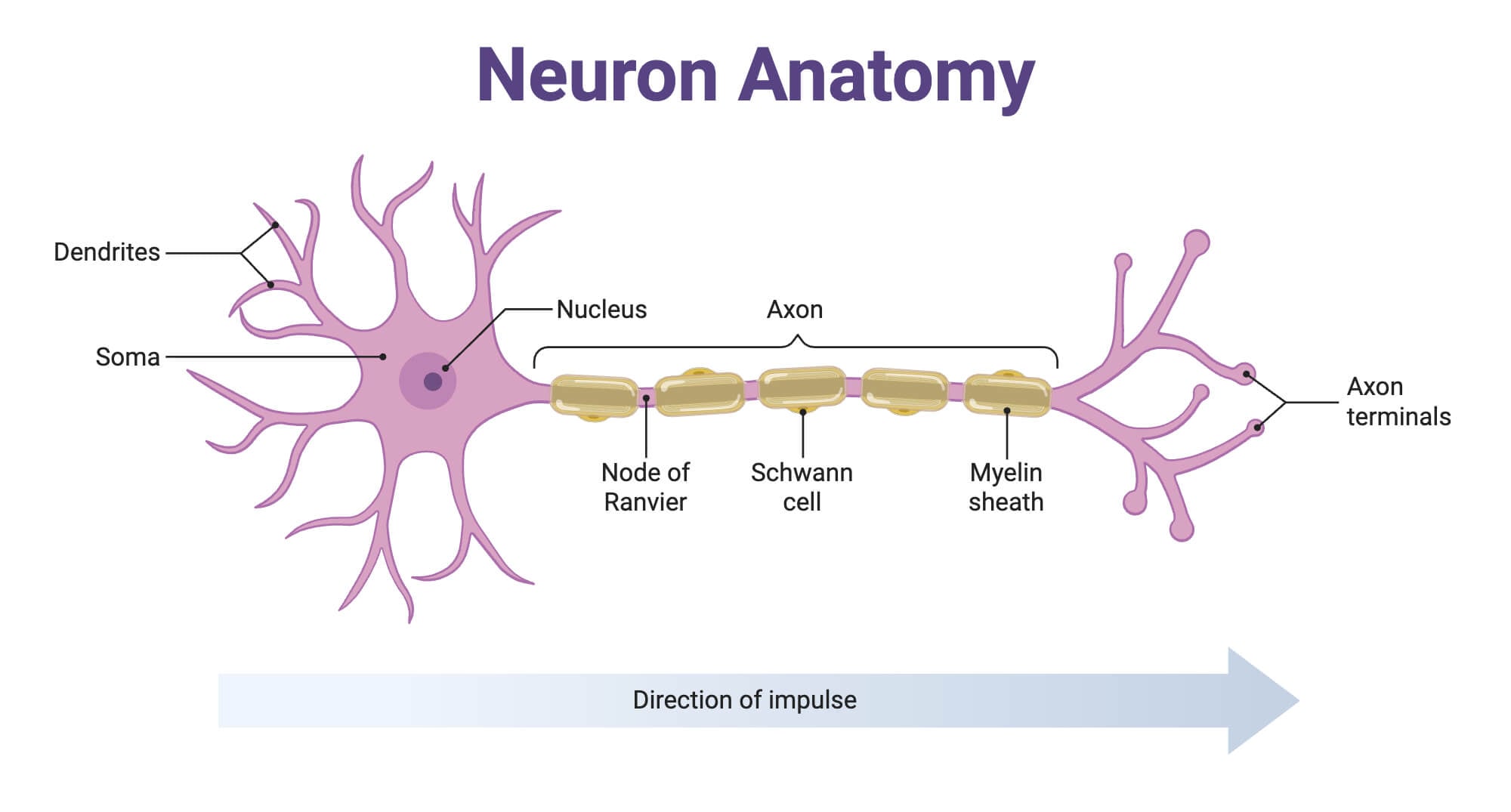
- Cyton/Soma: At the centre of a neuron, there is a cell structure called the soma/cell body. They are essential to produce enzymes that help in the synthesis of neurotransmitters.
- Axons are the tubular-shaped, long extensions projecting out from the cyton at the axon hillock. They receive the electrical signals and send them to other neurons.
- Axon Hillock is the site of connection between axons and the cell body.
- Nodes of Ranvier are the unmyelinated gaps present between the myelin sheath in a myelinated axon.
- The myelin sheath is the membrane that covers and insulates the axons, as they constitute a high lipid-to-protein ratio.
- Schwann Cells are the glial cells that form the myelin sheath in a myelinated axon.
- Axon terminals receive electrical signals from the axons and transmit them to other neurons.
- Dendrites are the projections of the cytoplasm in a soma. They receive the electrochemical signals from other neurons.
Glial Cells
They are the supporting nerve cells that do not have a primary role in nerve transmission. They physically support neurons by creating a blood-brain barrier and help them perform their functions.
Synapses
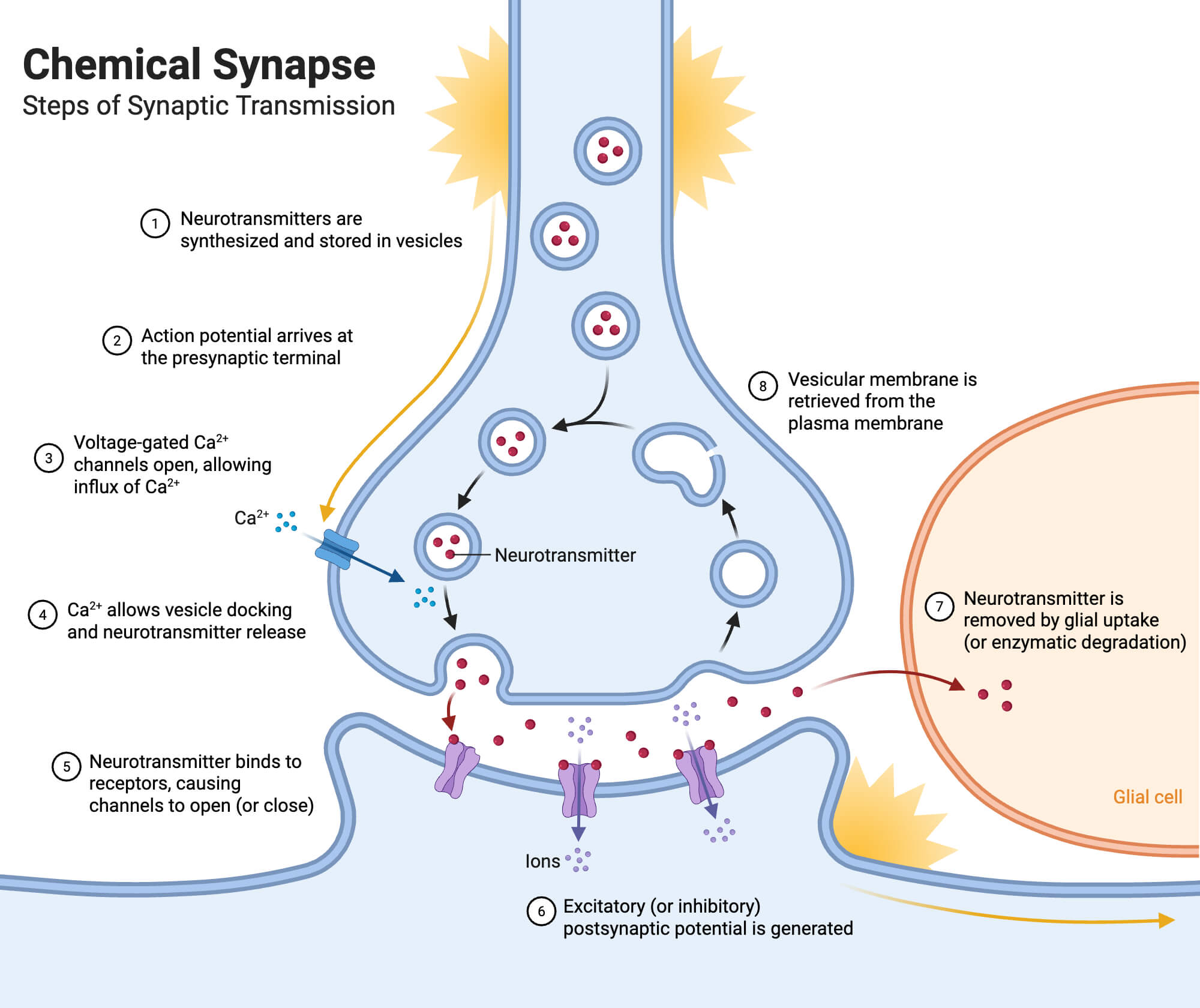
The nervous system transmits the electrical signals via the neurons. The junction at which these neuron cells interact is known as a synapse. It also consists of a small gap in between called the synaptic cleft.
Neurotransmitters
The human nervous system is also organized by the chemical messengers that are responsible for neural transmission. Such types of chemical molecules are called neurotransmitters.
Functions of The Human Nervous System
The functions of the nervous system can be categorized as basic functions (sensory, integration, and motor) and specialized functions ( regulation, coordination, and control).
- Sensory function: The first major role of the nervous system is to receive the information about the events occurring within or outside the body (stimuli), which tends to alter the regular homeostasis.
- Integration function: After receiving the stimulus via the sensory receptors, the nervous system transmits the signals to the brain via the sensory neurons, where it integrates them with previous stimuli, processes them, and interprets the information.
- Motor function: After processing the information, the nervous system transmits the processed signals to the supporting cells or the receptor cells via motor neurons.
- Regulation, coordination, and control function: Another major function of the nervous system is to regulate the organs of our body to generate a particular reaction, either physiological or behavioural responses. It controls all kinds of voluntary and involuntary movements and regulates the body in order to maintain homeostasis based on the type of stimulus. Overall, the nervous system is responsible for coordinating all the activities of the body.
Central Nervous System
The Central Nervous System (CNS) is one of the major organizational and functional regions of the human nervous system. It consists of the brain and spinal cord.
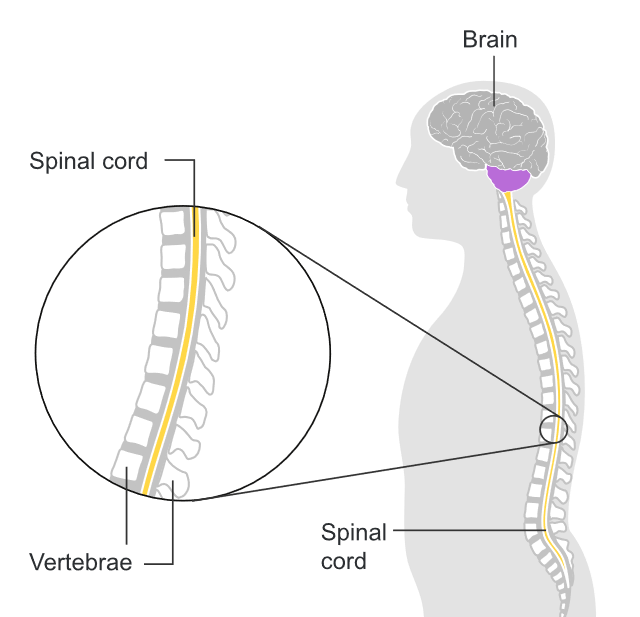
- The brain and spinal cord are covered by a three-layered protective membrane, known as the meninges. The outermost layer is called duramater, the second membrane is arachnoid, and the innermost layer is known as piamater.
- The brain is the controlling centre of the body, present inside the cranial cavity. It is responsible for receiving the sensory information, interpreting it, and coordinating other organs to produce an action in response to the stimulus. It is protected by the skull.
- The spinal cord is a long, white, cylindrical nerve tissue that extends from the brain to the lower back. It is protected by the vertebral column. It transmits the electrochemical signals from the brain to various parts of the body and vice versa.
Peripheral Nervous System
All nervous tissue outside the brain and spinal cord is are of the peripheral nervous system.
- They are present at the periphery of the central nervous system.
- It is further divided into 2 sub-categories: the Somatic Nervous System and the Autonomic Nervous System
- The Somatic Nervous System, also called the voluntary nervous system, transmits signals from the CNS to the skeletal muscles via controlled efferent neurons.
- The Autonomic Nervous System (ANS) is the visceral/involuntary nervous system that regulates the transmission of signals from the CNS to smooth muscle and glands, and controls the involuntary actions of internal organs. It regulates the physiological processes such as blood circulation, heartbeat, digestion, and even breathing.
- ANS is further branched into the Sympathetic and the Parasympathetic nervous system.
Sympathetic vs. Parasympathetic Nervous System
| Basis | Sympathetic Nervous System | Parasympathetic Nervous System |
| Types of response involved | It controls the body’s fight or flight response. | It controls the body’s rest and digest responses. |
| Location | Situated between the thoracic and lumbar regions | Situated between the brainstem and spinal cord |
| Function | Prepares the body for emergency events | Promotes the body to be at rest and restores its normal regulatory phase. |
| Neurotransmitters secreted | They secrete adrenaline and nor-adrenaline. | They secrete acetylcholine. |
| Nerves involved | Adrenergic Nerves | Cholinergic nerves |
| Effect on the heart | Promotes heartbeats by increasing heart rate | Decrease the heart rate |
| Effect on the urinary bladder | Relaxes the urinary bladder | Contract the bladder for urination |
| Response time | Rapid | Slower |
| Overall effect on organs | Excitatory effects | Inhibitory effects |
Neurons and Nerve Impulses in the Human Nervous System
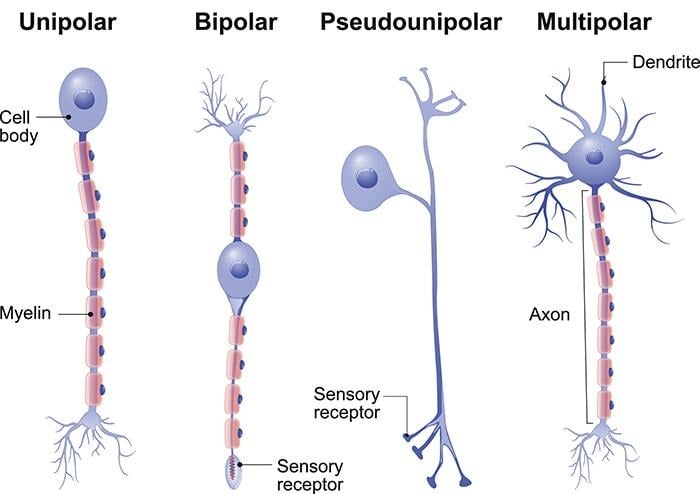
In the human nervous system, the neurons can be divided into different types based on their structure and functions.
Based on structure:
- Bipolar neurons: constitute 1 axon and 1 dendrite
- Multipolar neurons: constitute 1 axon and multiple dendrites.
- Pseudounipolar neurons: constitute 1 axon that extends into 2 branches, central and peripheral processes.
(Unipolar neurons are characteristic of invertebrates. They are not found in humans)
Based on functions
- Sensory or Afferent Neurons: They receive the signals from the external environment via sense organs and send them to the brain and the spinal cord.
- Motor or Efferent Neurons: They transmit the signals from the brain to the sensory organs.
- Inter-neurons: They are the intermediate neurons present between sensory and motor neurons.
- Neurons receive the information from the external environment and generate nerve impulses.
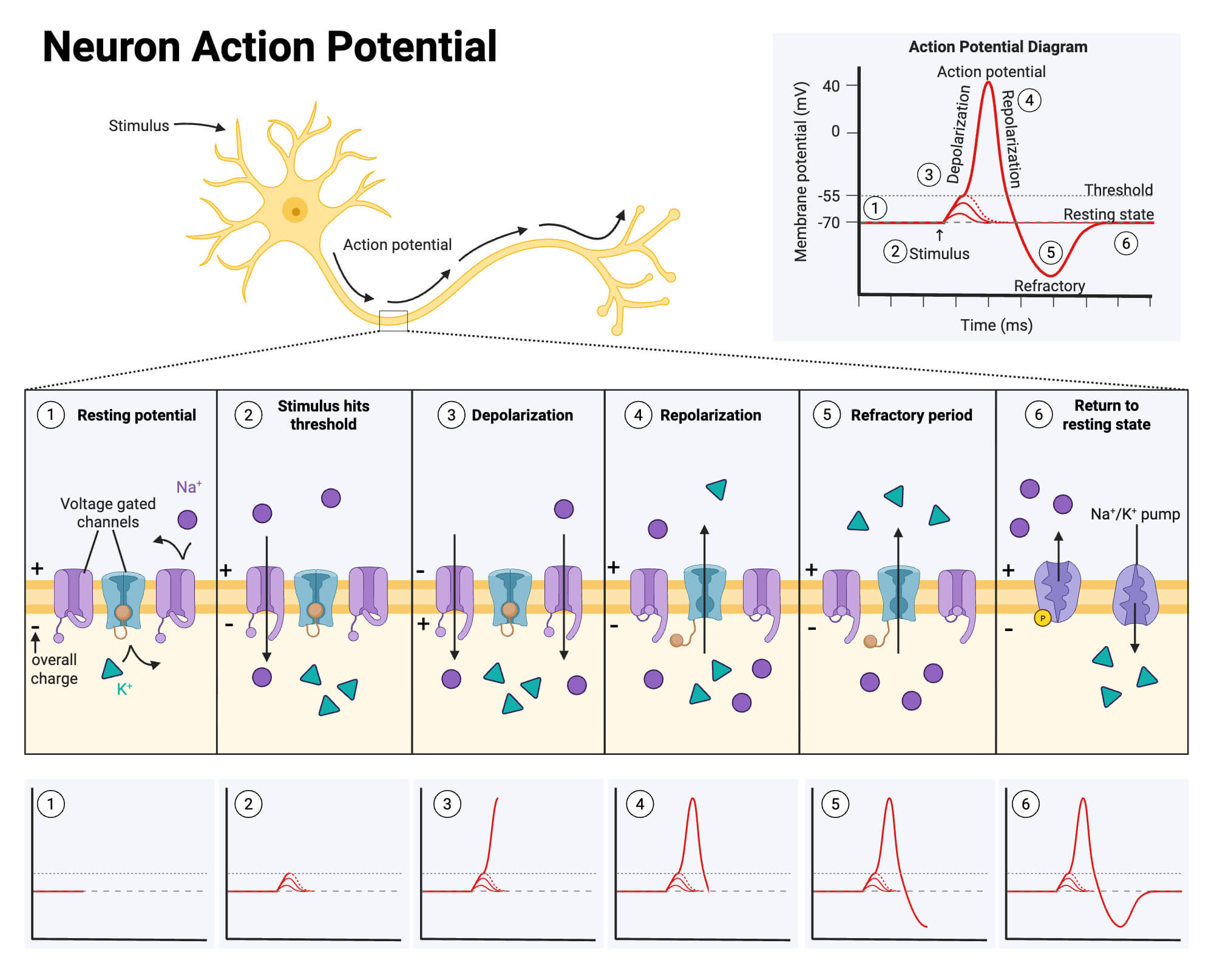
- Nerve impulses are the electrochemical waves that travel across the neuronal axons to transmit the signals or messages. They are also called action potentials.
- On the basis of neuronal types, the nerve impulses can be divided into afferent nerve impulses, interneuron nerve impulses, and efferent nerve impulses.
- In a human body, the action potential is caused by the movement of sodium(Na+) ions and potassium(K+) ions across the membranes of neurons via the sodium-potassium pump.
- The concentration of positive charge(Na+) is higher in the extracellular fluid and lower inside the cell. At this state, when the signal is not being transmitted, neurons are at a resting potential of -70mV.
- Once the stimulus is received, the Na+ ions rush towards the axoplasm, generating an electric potential difference (+40mV). It is called the action potential (also called a nerve impulse). This process is called depolarization of nerve fibres.
- The signal flows from the depolarized part of the nerve to the next polarized region, where it produces a new action potential. This process is called repolarization.
How does the Human Nervous System work?
The human nervous system transmits nerve impulses throughout the body via different types of neurons. Neurotransmitters also play an important role in this process.
- Sensation: The sensory receptors in our body receive the information from the external stimulus and transmit the sensory nerve impulses via the afferent nerves to the CNS. For instance, when we touch any hot object, information about the stimulus (heat), is recognized by receptor nerve cells.
- Integration: The nerve impulses are interpreted in the brain. It processes the information by integrating the stimulus with any previous memory and sends another signal to defend or act against the stimulus. For instance, after touching a hot object, our brain immediately perceives the sensation as heat. So, our brain sends a signal to remove our hands.
- Responsive action: The brain sends the signal to the sensory receptors via the efferent nerves. It controls the voluntary and involuntary movements required for performing the responsive actions via the somatic and autonomic nervous systems. Such types of action, which have been produced in response to a stimulus, are known as reflex action. For instance, we tend to withdraw our hand immediately after the sensation of heat.
- Signal Transmission: The nerves transmit the signals during the sensory, integration, and reflex action via the nerve impulses. Dendrites receive the signals, transmit them to the soma, and the axon. In the axons, electrical transmission is generated via the action potential. The electrical signals are converted into chemical messengers, neurotransmitters, at the axon terminals. These neurotransmitters are exchanged at the synapse, and the signal is transmitted to another nerve cell. In this way, neurons communicate to relay a particular signal and function to operate the nervous system.
Major parts of the human brain and their functions
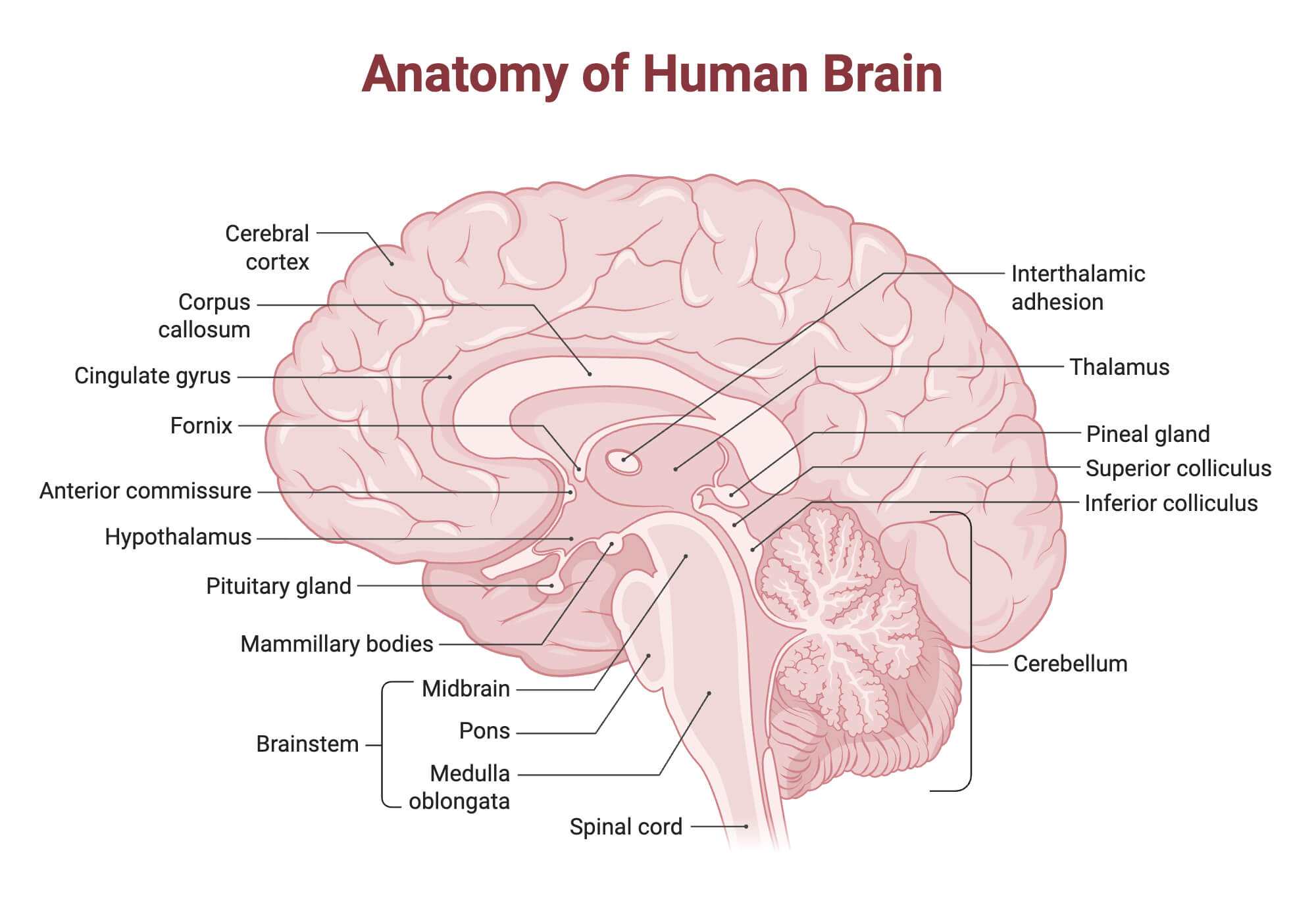
The human brain is divided into 3 major parts:
Forebrain
It covers the maximum area of the brain. It consists of:
- Cerebrum: The major part of the brain responsible for memory and intelligence.
- Thalamus: Primary center for controlling and coordinating sensory and motor functions.
- Hypothalamus: Controls the temperature of the body, mood, emotions, appetite, and thirst.
Midbrain
It is located between the hypothalamus and the pons. It acts as the crucial centre controlling respiration, visual movements, and auditory processing. It consists of:
- Cerebral aqueduct
- Corpora quadrigemina
Hindbrain
It is located at the posterior part of the brain and comprises:
- Medulla oblongata: The small part that controls breathing, heartbeat, and motor reflexes.
- Pons: It connects the brain and the spinal cord, and also controls the sleep cycles.
- Cerebellum: The second largest part of the brain that maintains homeostasis, body balance, postures, and voluntary movements such as walking and running
Spinal Cord and Reflex Actions in Human
The spinal cord is the bundle of neurons that transmits nerve impulses from the brain to the lower back and other parts of the body. It is one of the major parts of the CNS that controls the reflex action.
Reflex actions are the rapid, responsive actions produced in response to stimuli. They are involuntary and are generated by motor neurons. Some of the most common reflex actions in the human body are :
- Patellar reflex: knee-jerk reflex
- Withdrawing reflex: immediately pulling back the hand from a heated object.
- Blink reflex: closing the eyes when the object moves too close to the eyes
- Pupillary reflex: in response to bright light
- Coughing/Sneezing against irritants/allergens
Common Disorders of the Human Nervous System
There are different kinds of disorders and diseases associated with the human nervous system. Some of them include:
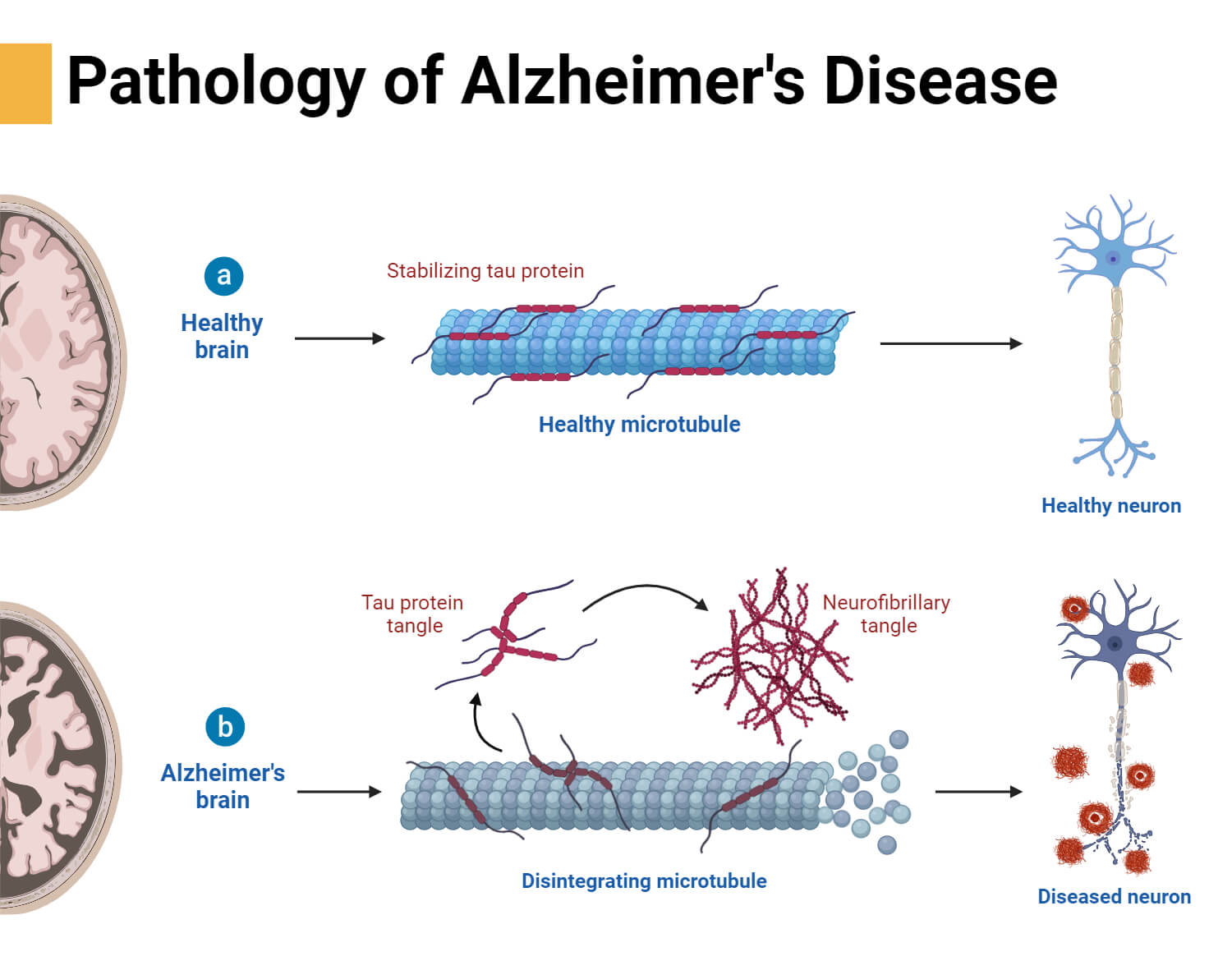
In this type of condition, the brain slowly loses its memory and retards its thinking and learning abilities. Memory loss is the most common symptom of this disease.
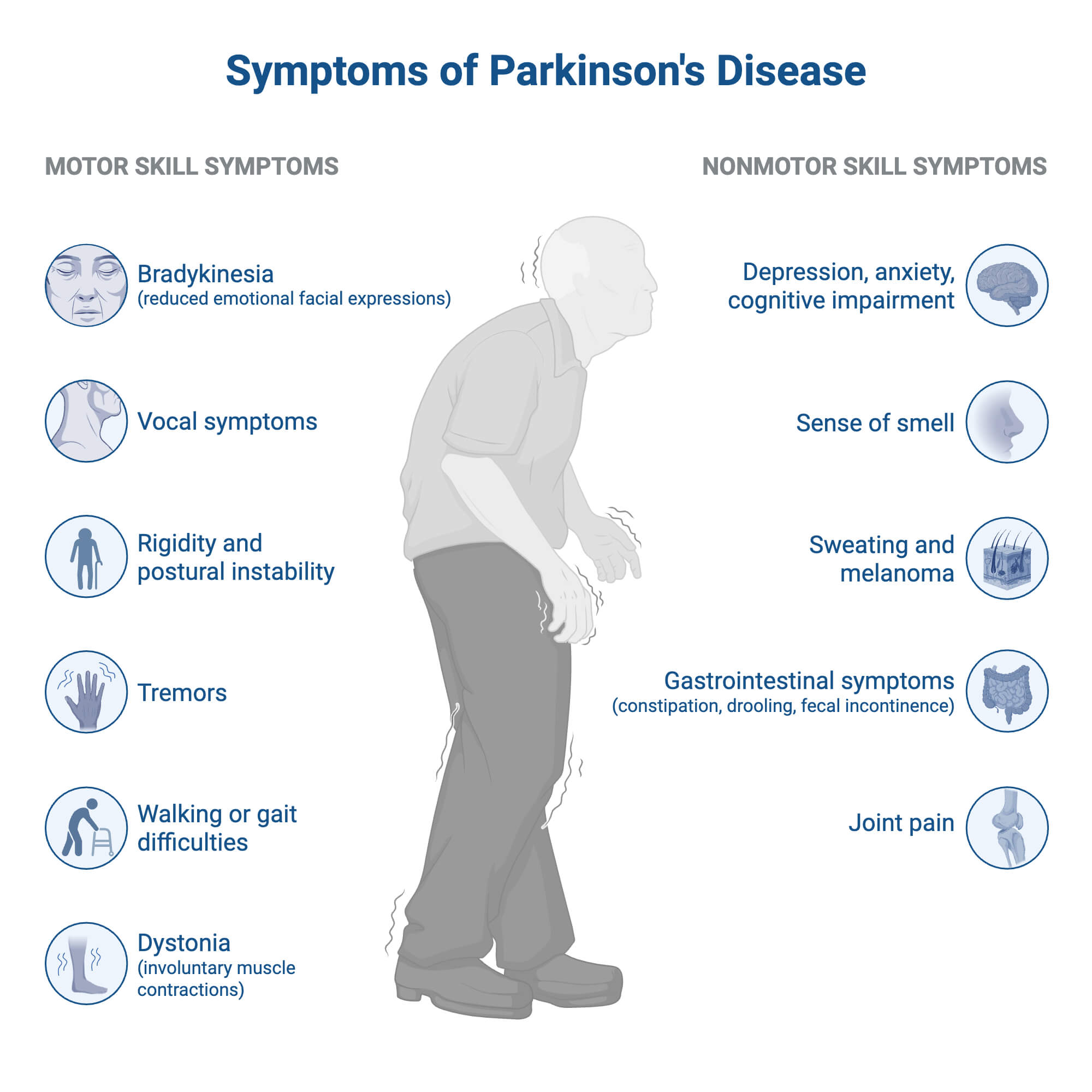
It is a condition where our brain gradually loses its control over our body movements. Muscle stiffness and slower movements are the common signs of Parkinson’s.
Epilepsy
It is a condition where the body experiences repeated seizures for a very long time. Uncontrolled movements like fast heartbeat, breathing, jerking, and twitching are the common symptoms of epilepsy.
Meningitis
It is a disorder where the protective outer layer of the brain, called the meninges, gets infected by bacteria, viruses, or fungi. The common symptoms include fever, photophobia, stiff neck, and loss of appetite.
Stroke
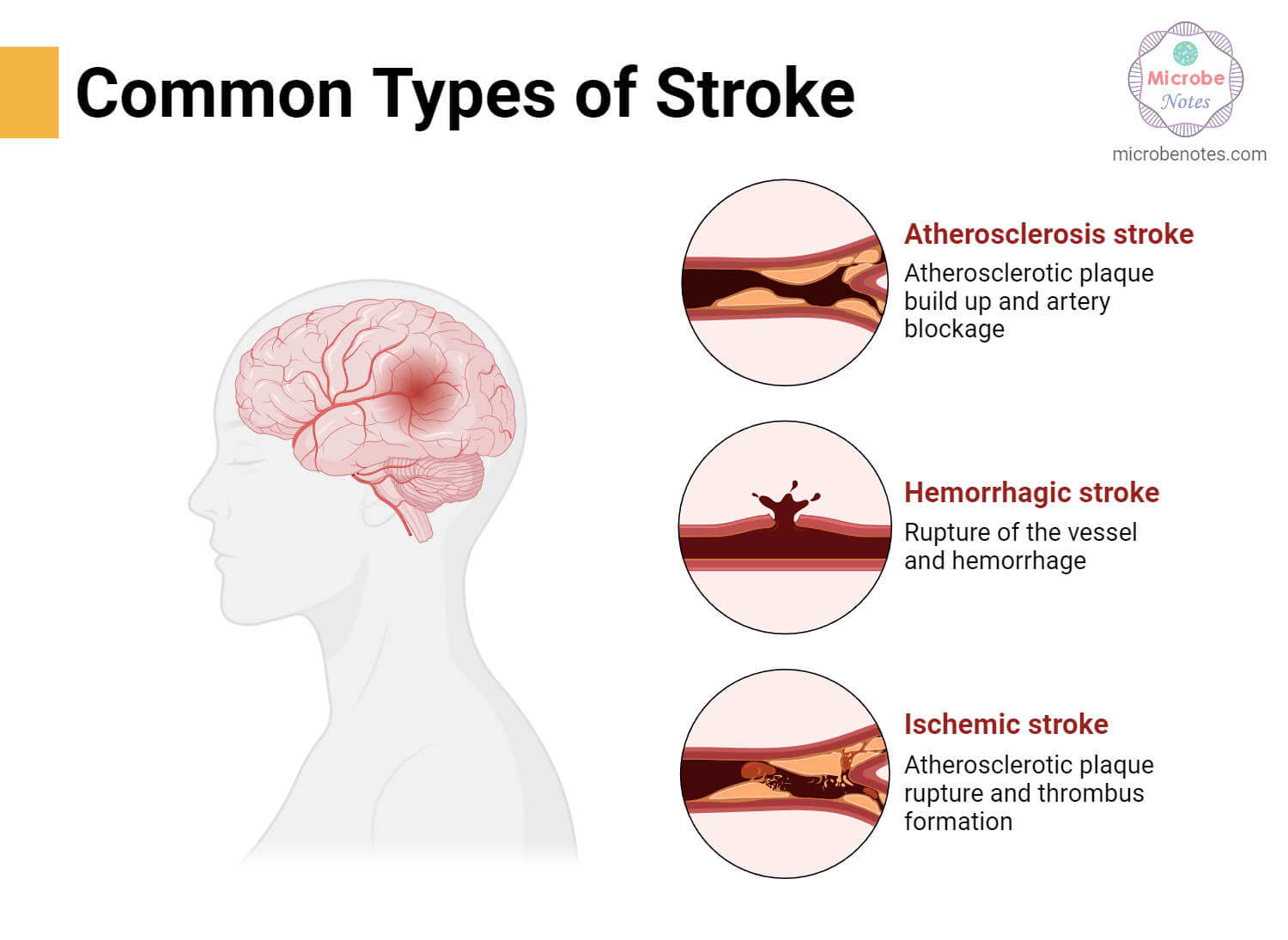
It is a neurological condition in which the brain does not receive enough blood. One of the common symptoms includes blurry vision, aphasia, and vertigo.
How to keep the Human Nervous System healthy
Our nervous system is responsible for controlling and coordinating all the activities in our body. Some of the ways to achieve a healthy nervous system include:
- A well-balanced diet, especially including foods rich in omega-3 fatty acids, and Vitamin B12
- Properly hydrate the body by drinking plenty of water. Transmission of nerve impulses can be disrupted by dehydration.
- Regular physical activity and stress-relieving meditations boost the nervous system.
- Maintaining a proper posture is essential for spinal health.
- Prioritize 7-9 hours of quality sleep.
Conclusion
The Human Nervous System is the body’s control and coordination center, regulating voluntary and involuntary reflex actions by receiving information or signals from external stimuli via nerve cells in the CNS and PNS.
References
- Admin. (2025, February 6). Understanding the Sympathetic vs. Parasympathetic Nervous Systems: Key Differences and Functions. Examples.com. https://www.examples.com/biology/sympathetic-vs-parasympathetic.html
- Betts, J. G., Young, K. A., Wise, J. A., Johnson, E., Poe, B., Kruse, D. H., Korol, O., Johnson, J. E., Womble, M., & DeSaix, P. (2022, April 20). 12.1 Basic Structure and Function of the Nervous System – Anatomy and Physiology 2e | OpenStax. https://openstax.org/books/anatomy-and-physiology-2e/pages/12-1-basic-structure-and-function-of-the-nervous-system
- Cancer Research UK. (n.d.). The brain and spinal cord. https://www.cancerresearchuk.org/about-cancer/brain-tumours/brain-and-spinal-cor
- Haines, D.E., Noback, C.R., Nathan, P.W., Lentz, T.L., Ratcliff, G., Rudge, P., Loewy, A.D., Matthews, P.B. (2025, October 27). human nervous system. Encyclopedia Britannica. https://www.britannica.com/science/human-nervous-system
- Hall, J. E., & Guyton, A. C. (2011). Guyton and Hall Textbook of Medical Physiology. Saunders.
- Kotpal, R. L. (2010). Modern Text Book of Zoology: Vertebrates. Rastogi Publications.
- Libretexts. (2021a, September 4). 11.4: nerve impulses. Biology LibreTexts. https://bio.libretexts.org/Bookshelves/Human_Biology/Human_Biology_(Wakim_and_Grewal)/11%3A_Nervous_System/11.4%3A_Nerve_Impulses
- Libretexts. (2021b, September 4). 11.4: nerve impulses. Biology LibreTexts. https://bio.libretexts.org/Bookshelves/Human_Biology/Human_Biology_(Wakim_and_Grewal)/11%3A_Nervous_System/11.4%3A_Nerve_Impulses
- Ludwig, P. E., Reddy, V., & Varacallo, M. A. (2023, July 24). Neuroanatomy, neurons. StatPearls – NCBI Bookshelf. https://www.ncbi.nlm.nih.gov/books/NBK441977/
- Moini, J., & Piran, P. (2020). Histophysiology. In Elsevier eBooks (pp. 1–49). https://doi.org/10.1016/b978-0-12-817424-1.00001-x
- Tips for maintaining a healthy nervous system. (n.d.). Neurosurgery Located in Birmingham, AL | Alabama Neurological Surgery & Spine. https://www.alneurosurgery.com/post/tips-for-maintaining-a-healthy-nervous-system
- Tortora, G. J., & Derrickson, B. (2017). Tortora’s Principles of Anatomy and Physiology. In John Wiley & Sons, Inc. eBooks. https://ci.nii.ac.jp/ncid/BB23861293
- Wikipedia contributors. (2026, March 13). Nervous system. Wikipedia. https://en.wikipedia.org/wiki/Nervous_system
