
Sickle cell anemia, or sickle cell disease (SCD), is an inherited disorder that causes malfunction of hemoglobin, the protein that carries oxygen in red blood cells (RBCs). The disease progresses to hemolysis and chronic organ damage.
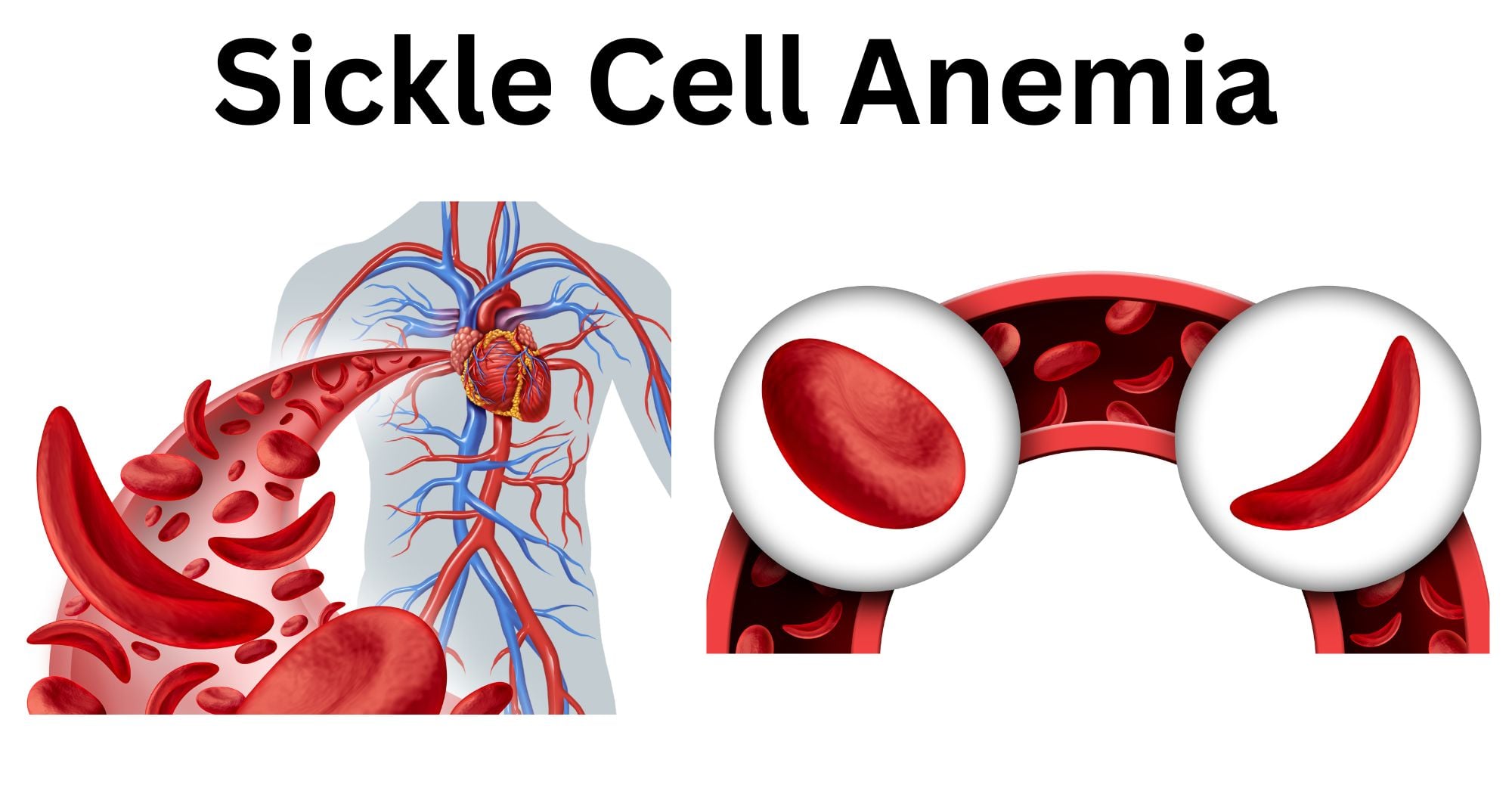
Sickle cell anemia is the most common form of sickle cell disease (SCD), in which the RBC becomes sickle-shaped or crescent-shaped, deviating from the normal flexible and rounded shape. Normally, RBCs can easily traverse through the blood vessels. However, in sickle cells, they become rigid and sticky, slowing or blocking blood flow. This causes periodic episodes of pain, serious infections, and damage to vital organs.
History of Sickle Cell Anemia
About 8 million people around the world suffer from SCD. The disorder was formally described in 1910 by Dr. James Herrick. However, the disease can be traced back to 1670 in Ghana. In 1949, Linus Pauling and his colleagues were the first to elucidate that SCD was a consequence of an abnormality in RBC. This was the first time a disease had been associated with a mutation in the genotype.
SCD primarily affects individuals of African descent; however, it is also abundant in populations from Spain, France, Portugal, Greece, Turkey, Italy, the Middle East, and parts of Asia. The mutation associated with SCD can be traced back at least four times, three times in regions of Africa and once in either Saudi Arabia or central India. These genetic events are estimated to have happened about 70 to 150,000 years ago.
What is Hemoglobin (Hb)?
Hemoglobin (Hb) is a key protein within the RBC that captures and transports oxygen throughout the body. It carries oxygen from the lungs to the body’s tissues and returns carbon dioxide (CO2) to the lungs. The protein is also involved in several other functions, such as metabolizing nitric oxide, regulating pH, and maintaining redox reactions.
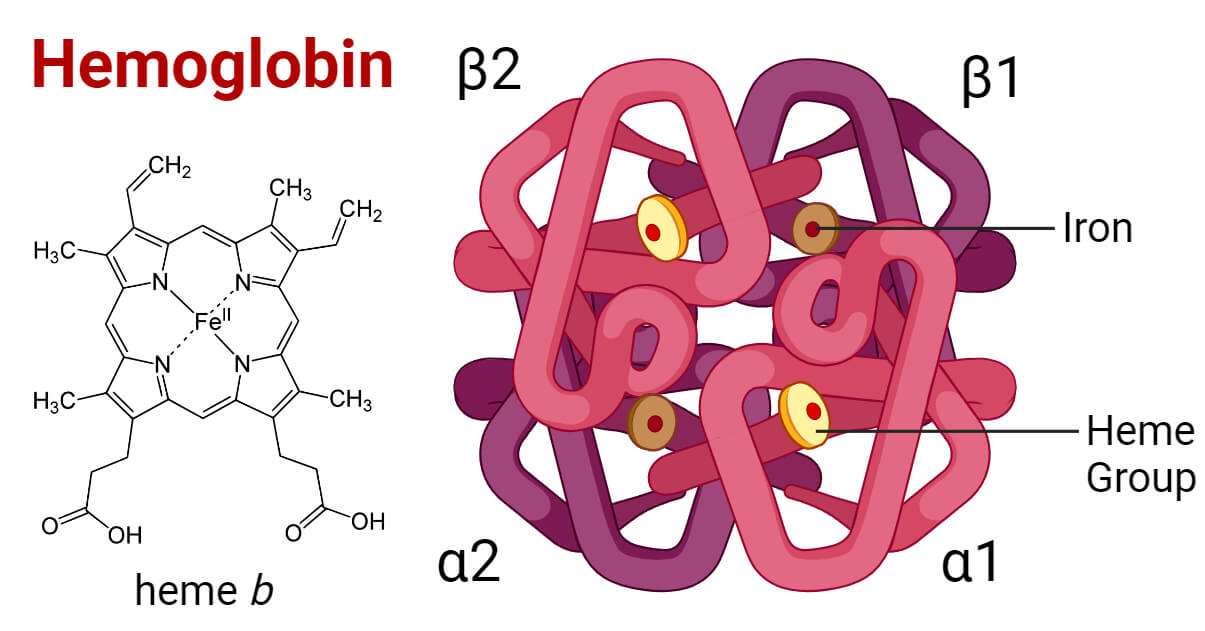
Hemoglobin is a tetrameric protein, meaning that it is made up of four globin subunit chains: two alpha-globin (α1 and α2) and two beta-globin (β1 and β2), which are similar in structure and size. Hb has a molecular weight of about 64,000 Daltons, with each chain weighing around 16,100 Daltons. These subunits form dimers, arranged to form a large water cavity at the center of the protein. Each globin chain holds a heme group, comprising a ferrous ion (Fe2+) at the core of a porphyrin ring. This ion is surrounded by four nitrogen atoms bound to a histidine residue. Each Fe2+ ion is capable of binding to either a single oxygen (O2) or carbon dioxide (CO2) molecule, to perform its vital functions.
Hemoglobin is of numerous types; the most common ones found are:
| Type of Hemoglobin | Composition | Abundance | Functions |
| HbA1 | Two chains of the alpha-globin and two chains of the beta-globin (α2β2) | 95% in adults | Transfers oxygen in the cells, tissues, and organs |
| HbA2 | Two chains of alpha-globin and two chains of the delta-globin (α2δ2) | 4% | Limited physiological role, but is used to detect beta-thalassemia and other SCD |
| HbF | Two chains of alpha-globin and two chains of gamma-globin (α2γ2) | More prevalent in the fetus | Transfer oxygen from the maternal circulation |
Causes of Sickle Cell Anemia
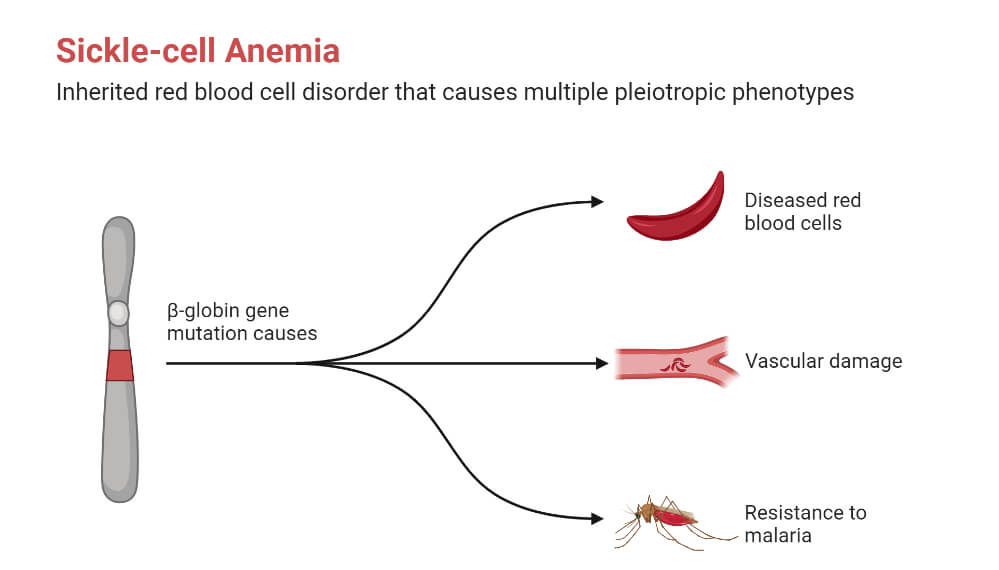
Sickle cell anemia is caused by a point mutation in the hemoglobin beta gene (HBB) found at the 6th position of chromosome 11p15. HBB encodes the beta-globin, one of the subunits of hemoglobin. A single-nucleotide polymorphism (SNP) changes the glutamic acid in the wild type to valine, resulting in this disorder.
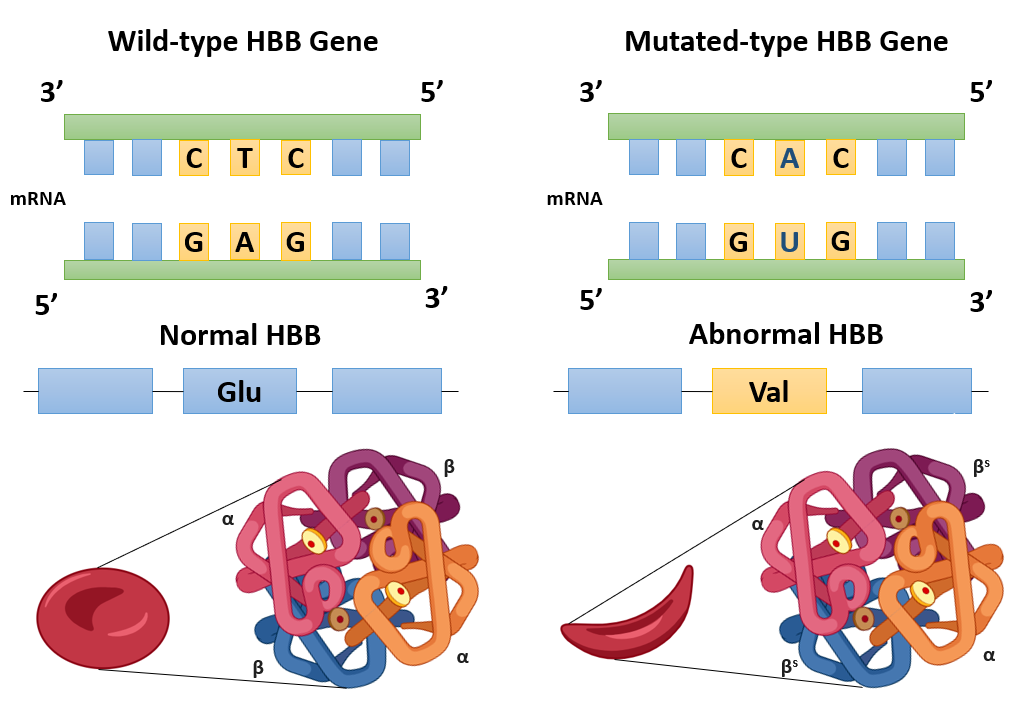
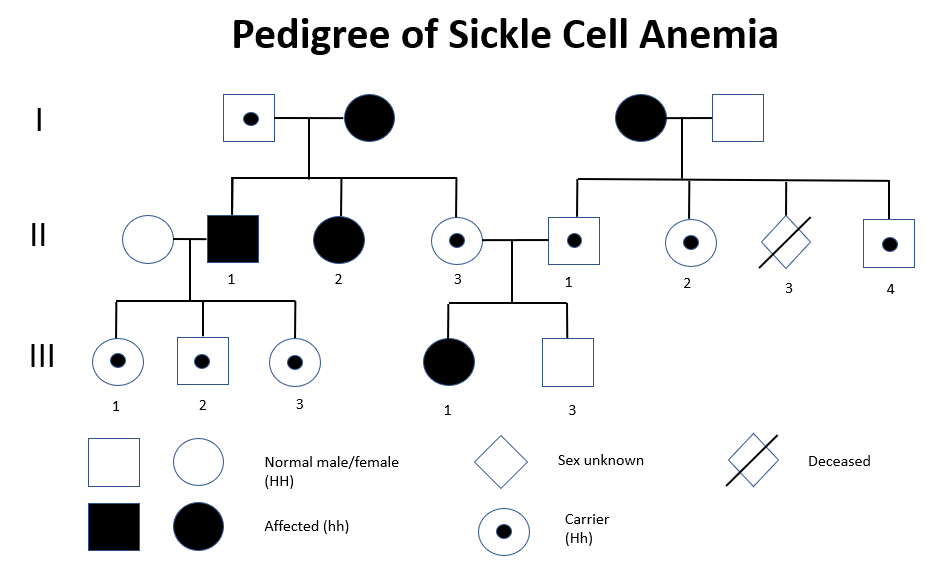
Sickle cell anemia is a recessive inherited disease. To elaborate, if an individual has the S allele of the HBB present in both homologous chromosomes (SS), the anemia is severe, i.e., RBCs are sickle-shaped. However, if only one of the two alleles of the HBB is in the S form (+S), the anemia is less severe, and the RBCs appear to be almost normal in shape. In the SS case, the hemoglobin is abnormal, characterized by a different solubility, whereas in the +S condition, only half of the hemoglobin is normal. They are asymptomatic and can pass their genes onto their offspring.
Symptoms of Sickle Cell Anemia
The symptoms of sickle cell anemia start at around 6 months of age. The disorder varies from person to person and may change over time.
- Anemia: Sickle cells are fragile, resulting in their breakage and death. RBCs normally live for about 120 days before they are rejuvenated; however, sickle cells die in 10 to 20 days, causing an immense shortage of RBCs. This causes fatigue.
- Pain crises: Individuals suffering from sickle cell anemia have periodic episodes of extreme pain, called pain crises. This is the major symptom of the disease. Pain develops when the sickle-shaped RBC blocks the blood flow through the vessels, affecting the chest, abdomen, and joints. They can also have chronic pain from bone and joint damage, ulcers, and other causes. The intensity of pain varies from a few hours to a few days. Its occurrence differs from once to more than a dozen a year, depending on the individual.
- Occasional Infections: The spleen is an integral part of protecting the body against infections. Sickle cells damage and disrupt this organ, increasing the risk of infection. Babies and children are more prone; therefore, they are commonly advised to take vaccines and antibiotics to prevent potential life-threatening infections.
- Swelling of hands and feet: The blocking of blood circulation causes swelling of hands and feet.
- Delayed growth or puberty: The absence of oxygen in the body hampers metabolism. Because of this, the individuals suffering from SCD have slow growth. This is especially seen in babies, children, and teenagers.
- Vision problems: Blood vessels in the eyes can be blocked with sickle cells. This can damage the retina, leading to vision problems.
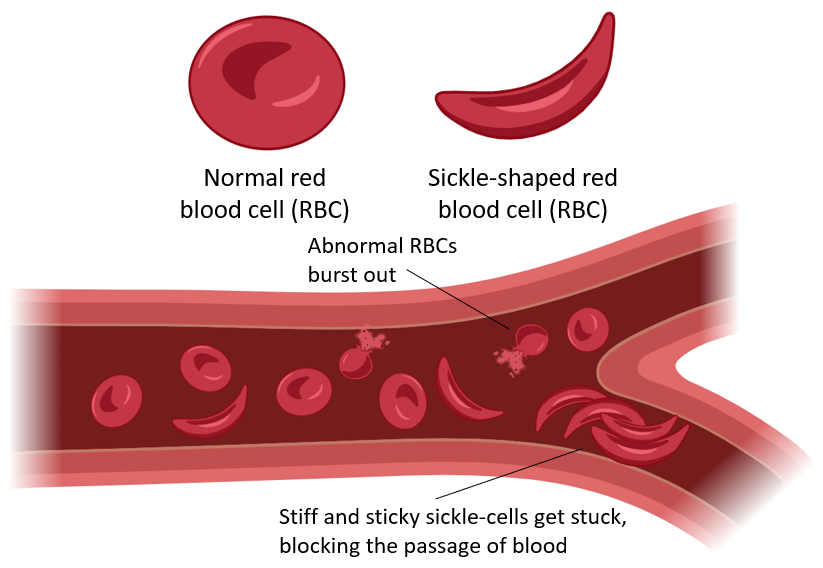
Blood flow through blood vessels in Sickle cell anemia
Complications of Sickle Cell Anemia
Sickle cell anemia can cause serious and life-threatening complications. Individuals with this condition often require emergency medical care. These complications mostly result from the blockage of blood flow to the different organs/tissues in the body. A few of them are as follows:
- Stroke: Sickle cells can block blood flow to the brain, resulting in severe seizures, sudden vocal difficulty, loss of consciousness, weakness/numbness of the arms and legs. This can be quite fatal.
- Avascular necrosis: When the bones do not get enough blood supply, the joints may narrow, and the bones may die. This can happen anywhere, but is mostly prevalent in the hips.
- Organ damage: The lack of oxygen and blood can damage organs such as the kidneys, spleen, liver, and nerve cells. Blockage in the lungs results in acute chest syndrome, causing chest pain, fever, and difficulty in breathing.
- Splenic sequestration: Sickle cells, when trapped in the spleen, cause spleen enlargement. This causes abdominal pain on the left side of the body, which can be life-threatening.
- Deep vein thrombosis: Sickle-shaped RBCs cause blood clots, increasing the risk of clot lodging in a deep vein, a condition known as deep vein thrombosis. This increases the risk of a blood clot lodging in a lung, known as a pulmonary embolism.
- Pregnancy complications: The increased risk of blood clots affects the risk of low-birth-weight babies, premature birth, and the risk of miscarriage.
Other notable complications of sickle cell anemia include blindness, leg ulcers, gallstones, priapism, etc.
Treatment of Sickle Cell Anemia
Sickle cell anemia cannot be treated; however, the pain of the individual with such a condition can be relieved. Most of the treatment includes medicines and blood transfusions. For severe conditions in children and teenagers, a stem cell transplant might cure the disease. Presently, gene therapies are being developed that might offer a cure for people with SCD. A few medicines are as follows:
- Hydroxyurea: Hydroxyurea is an anticancer drug mainly for infants aged 6 to 9 months, children, and adults. Its daily intake reduces the frequency of pain in people suffering from SCD. The drug stimulates the production of hemoglobin in the fetus (HbF).
- Crizanlizumab (Adakveo): Crizanlizumab is a monoclonal antibody that blocks selectin receptors on the surface of platelets and endothelial cells. This inhibition reduces interactions between these cells, which prevents blockage in the blood vessels.
- L-glutamine (Endari): L-glutamine is an essential amino acid needed to synthesize NAD, glutathione, and glutamate. Since sickled-shaped RBCs have lower levels of NADH compared to normal RBCs, L-glutamine supplements can help restore NADH levels. As a result, they may prevent or reduce acute complications like pain crises in SCD.
- Voxelotor (Oxbryta): Voxelotor prevents RBCs from turning into sickle-shaped cells. The drug binds reversibly to hemoglobin, stabilizing and increasing its affinity towards oxygen.
- Pain-relieving medicine: Pain-relievers help ease the pain caused by the blockage of vessels in individuals suffering from SCD.
- Bone marrow transplant: Bone marrow is the soft tissue inside bones that produces blood cells. In people with SCD, this bone marrow can be replaced through a transplant using healthy stem cells from a matched donor without the disease. Once transplanted. The new stem cells create normal RBCs without the sickle hemoglobin.
- Gene therapies: In 2023, two cell-based gene therapies, exa-cel and lovo-cel, were approved by the US FDA for patients older than 12 years old. These treatments involve collecting the patient’s blood stem cells and altering them through genetic engineering. The individual then undergoes high-dose chemotherapy to eliminate sickle cells from the bone marrow. Finally, the modified blood cells are infused back to the body.
Prevention and Management of Sickle Cell Anemia
Sickle cell anemia cannot be prevented, but it can be managed. Individuals with sickle cell trait can visit a genetic counselor to help understand the risk of having a child with SCD. Early diagnosis and treatment can significantly reduce the complications of SCD.
- Children suffering from sickle cell anemia receive penicillin from about 2 months old to 5 years old, or longer. Antibiotics like this help reduce infections such as pneumonia, which may pose life-threatening illnesses to children with SCD.
- Vaccinations are essential for children to protect them from infections that the body has difficulty fighting.
- Maintaining a healthy lifestyle by drinking plenty of water and avoiding activities that reduce oxygen levels can prevent and reduce the occurrence of pain crises.
- Routine examination of the patient with SCD helps monitor disease progression and prevent complications.
References
- CDC. (2025, January 7). Prevention and Treatment of SCD Complications. Sickle Cell Disease (SCD). https://www.cdc.gov/sickle-cell/about/prevention-and-treatment.html
- Dahal, P. (2025, February 1). Hemoglobin Explained: Key Types, Functions & Disorders. https://microbenotes.com/hemoglobin/
- History & Timeline of SCD. (n.d.). Sickle Cell Foundation of Minnesota. Retrieved April 30, 2025, from https://www.sicklecellmn.org/scdhistory
- Mangla, A., Ehsan, M., Agarwal, N., & Maruvada, S. (2025). Sickle Cell Anemia. In StatPearls. StatPearls Publishing. http://www.ncbi.nlm.nih.gov/books/NBK482164/
- Sickle Cell Anemia Symptoms. (n.d.). Cleveland Clinic. Retrieved May 1, 2025, from https://my.clevelandclinic.org/health/diseases/4579-sickle-cell-anemia
- Sickle cell anemia-Sickle cell anemia—Symptoms & causes. (n.d.). Mayo Clinic. Retrieved April 30, 2025, from https://www.mayoclinic.org/diseases-conditions/sickle-cell-anemia/symptoms-causes/syc-20355876
- Sickle Cell Disease – What Is Sickle Cell Disease? | NHLBI, NIH. (2024, September 30). https://www.nhlbi.nih.gov/health/sickle-cell-disease
