
Living beings consist of several sensory organs that perceive different types of stimuli and, simultaneously, contribute to complex biological systems.
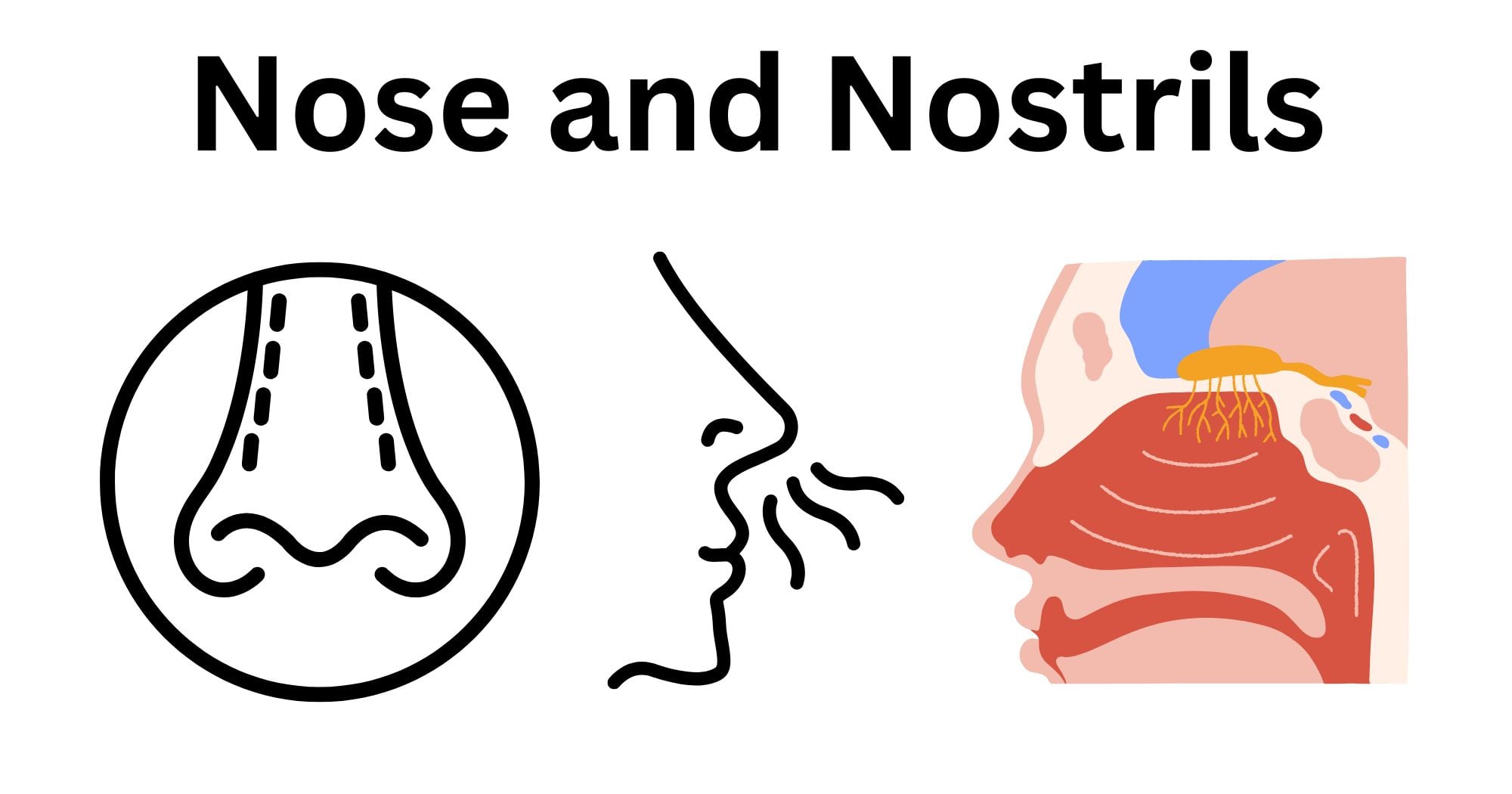
The nose is one such biological facial structure that is not only responsible for the detection of smell in the olfactory system but also plays a significant role as the first organ in the respiratory system. It consists of two external openings known as nostrils, or external nares. Nostrils extend as a pair of tubes, called nasal cavities, inside the head.
Anatomy of the Nose and Nasal Cavity
The nose is comprised of different structures within and outside the head. Thereby, it consists of external and internal anatomy.
External Anatomy of the Nose
On the outside, the nose appears to be a pyramid-shaped structure that consists of bones, cartilages, small muscles, and fatty tissues. It comprises:
- Nasal root: It is the uppermost part that is located between the eyebrows. It is formed by the nasal, maxilla, and the frontal bones.
- Nasal apex: It is the tip of the nose containing the nares. It is formed from the major and minor cartilages.
- External meatus: It is the triangular-shaped structure present in the center of the face.
- Nasal dorsum: It is the bony bridge present between the nasal root and apex. The shape of the dorsum varies, and it determines the structure of the nose in the face.
- Nostrils: It is located just below the nasal apex.
Internal Anatomy of Nose (Nasal cavity)
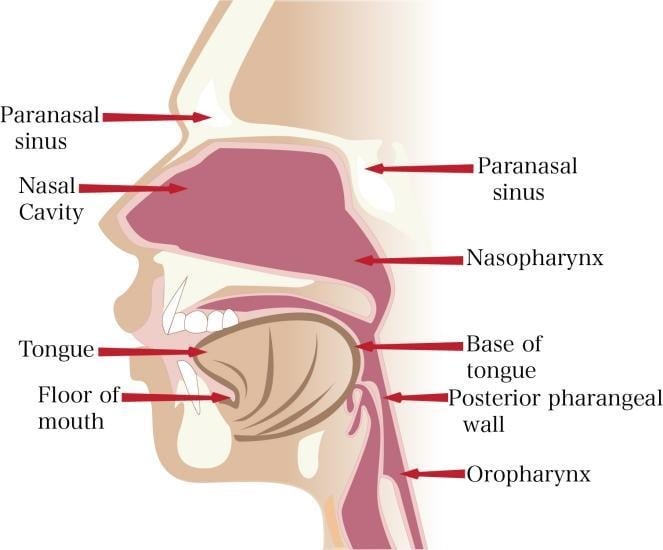
Internally, nostrils extend into a pair of hollow tubes that provide the entrance and exit passage for the air. The particular air pathway inside the nose is called the nasal cavity.
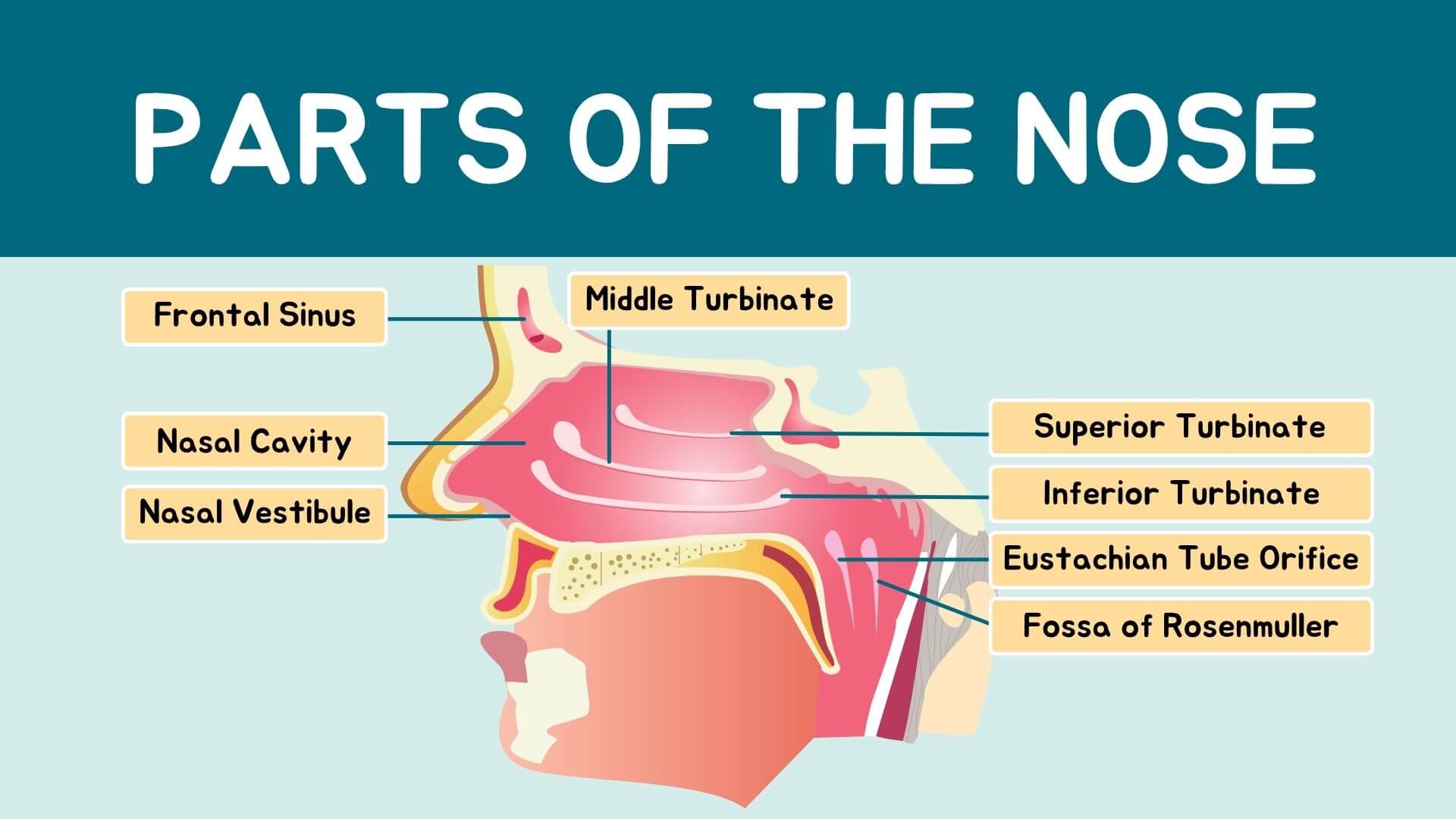
- Besides the nasal cavity, the nose also contains the septum, the nose hairs, the paranasal sinuses, the conchae, and the olfactory system.
- The nasal cavity is partitioned into two parts by the nasal septum.
- The nasal septum is made up of bones and cartilage.
- Nose hairs trap and prevent the entry of dust particles into the respiratory tract.
- Para-nasal sinuses, such as frontal, ethmoid, maxillary, and sphenoid, are the air-filled cavities that secrete mucus and keep the nose moist.
- Conchae (Turbinates) are the bony parts present at the lateral walls of the nose. They keep the internal environment of the nose warm and humid by increasing the surface area. They also filter the air passing through the nasal cavities.
- The olfactory region is located above the nasal apex within the nose. It helps to detect the smell.
Structure and functions of the Nostrils and Nasal Passages
The air from the external environment enters the nose via the nasal openings called the nostrils. They are the external openings, also known as nares. They consist of: Columella, alae, and vestibule.
- Columella: The fleshy tissue that forms the base of the nose. They provide the structural support to the tip of the nose.
- Alae/wings: Nostrils are surrounded by soft tissues called alae or wings. They help to manage air flow during respiration.
- Nasal vestibule: Anterior-most part of the nostrils that consists of ciliated hairs to filter large materials and assist in the passage of air.
Internally, nostrils elongate into the hollow-tubular structures, the nasal cavities. The two sections of the nasal cavity, divided by the septum, are called the nasal passages.
The nasal passage extends from the nostrils to the nasopharynx. It consists of: Nasal septum, nasal cavity proper, meatuses and pseudostratified epithelium.
- The nasal septum divides the nose into two cavities internally.
- The nasal cavity proper is the part of the nasal cavity lined by the respiratory epithelium tissue. Anteriorly, they open to the external nares, while posteriorly, they extend up to the internal nares known as choanae.
- Nasal Meatuses: These are the 3 passages filled with air (superior, middle, and inferior). They are present below the nasal concha at the lateral walls. They receive drainage from the paranasal sinuses and also function as a pathway for tears and filtering air.
- Pseudostratified epithelium: They are also called the respiratory epithelium that lines the nasal cavity internally. They are ciliated and are responsible for moving the mucus and other particles towards or away from the pharynx.
Source: https://www.rhinoplasty-pedia.com/rhinoplasty-the-basics/anatomy-of-the-nose/
Functions:
- Nostrils act as the entrance and exit pathway for the air during respiration.
- The nasal passage warms up and humidifies the inspired air.
- Respiratory epithelium moves the air particles and mucus through the respiratory tract.
Role of the Nose in Upper Respiratory Tract (URT)
The nose is the first organ in the upper respiratory tract. It plays significant roles in URT as follows:
- The nose provides an entrance and exit point for the passage of external air.
- The hairy part of the nose (vibrissae) prevents the entry of harmful dust and minute particles into the URT.
- The nasal mucosa and conchae moisten and condition the air. They warm the air to match the body temperature.
- The mucosal region protects the URT as it secretes the mucosa, which contains lysozyme, antimicrobial properties, and antibodies.
Functions of the Nose in Breathing, Filtration, and Olfaction
Function of the nose in Breathing
The nose is the first organ that interacts with the external air during respiration. In the process of inspiration, air passes through the nostrils, all the way to the nasal cavity, nasopharynx, larynx, trachea, bronchi, and finally the lungs. In the alveolar region of the lungs, the air exchanges its oxygen with carbon dioxide and helps to remove toxic carbon dioxide from the body via the respiratory tract. At the time of expiration, the air containing carbon dioxide molecules is exhaled outside the body through the nose.
Function of the nose in Filtration
The nose is composed of several structures that help to filter the air as well as prevent the entry of dust and harmful materials into the respiratory tract. The nasal hair traps minute dust particles. In addition, the mucosal layer of the nose (paranasal sinuses) produces mucus and helps to filter the air inspired within the nasal cavity. The bony turbinates (conchae) humidify the air.
Function of the nose in Olfaction
The nose is the primary organ in the olfactory system. It consists of ciliated smell receptor cells in the nasal cavity. When the air (passing through the nasal cavity) carries a specific fragrance, these highly sensitive receptor cells get stimulated and send the nerve impulses to the olfactory bulb. The olfactory bulb transmits the nerve impulses to the brain directly. In this way, the sense of smell is perceived by the brain. Olfaction also functions to detect irritating and toxic materials.
Mechanism of Air Filtration and Conditioning in the Nasal Cavity
- The nose can filter out dust, large particles (typically more than 0.5 μm in size) such as pollen, moulds, spores, smokes, vehicle emissions, etc., and prevent their access to the lungs.
- The pyramidal shape of the nose contributes to the mechanism of air filtration and conditioning.
- When the air enters the nose via the nostrils, it changes direction rapidly, gets diverted to a right angle (90°), and passes straight into the nasal cavities.
- The velocity of air decreases as it moves toward the nasal passage, allowing the deposition of dust along with larger particulates into the ciliated and mucosal layers within the nose.
- The filtered air is further conditioned (heated and humidified) in the nasal cavity by the mechanisms of conduction, convection, and radiation.
- Mucosal lining at the walls and the nasal capillaries of the internal nasal cavity heat up the inspired air. The mucus membranes secrete water vapor to keep the air within the nasal passageways moist.
- Since the direction of blood flow and incoming air flow is opposite to each other, the heat exchange is efficient. The temperature gradient between cold air and warm blood vessels is maintained in the nose.
- Before the inhaled air reaches the pharynx, the nose helps to warm the air nearly up to the body temperature (34-37℃) and humidifies it to approximately100% realtive humidity.
Blood Supply and Innervation of the Nose
Blood supply of the nose:
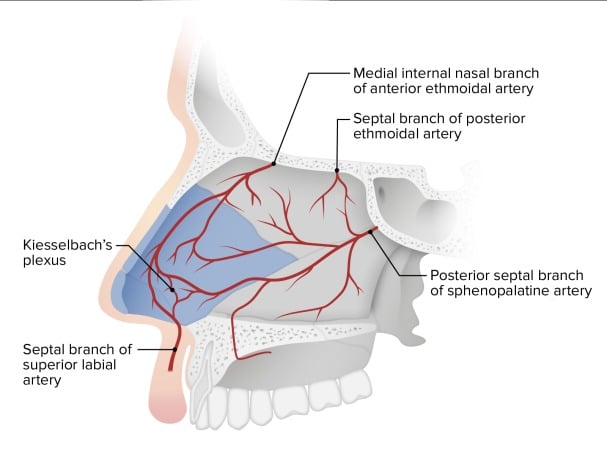
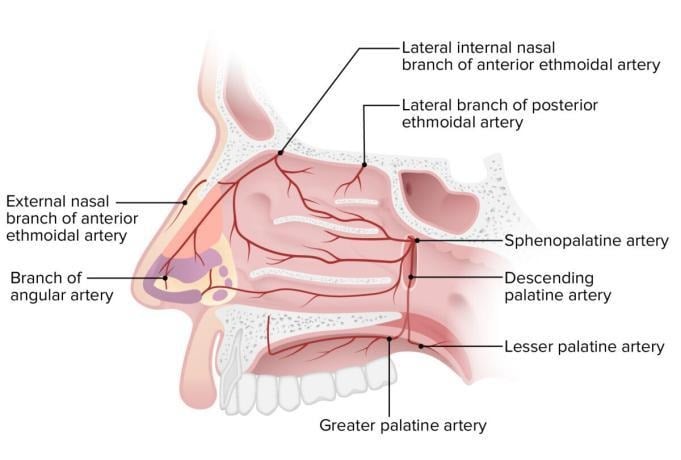
- The nose is rich in arterial blood supply. It consists of a large number of internal and external carotid arteries.
- The 5 external carotid arteries supply blood to the nose and sinuses. They include:
- Sphenopalatine artery
- Greater palatine artery
- Superior labial artery
- Lateral nasal artery
- Angular artery
- They supply blood primarily to the vestibule and respiratory regions of the nasal passage (nasal walls, dorsum, and septum).
- The internal carotid artery supplies blood to the nasal apex and the superior part of the nose. There are 2 internal carotid arteries: anterior and posterior ethmoidal arteries. They are the branches of the ophthalmic artery.
- The branches of the internal and external carotid arteries interact with each other at a junction and form anastomoses at the anterior septum, which is known as Little’s areas or Kiesselbach’s plexus.
Innervation of the nose:
- The supply of nerves to a particular body part is termed as innervation.
- Innervation of the nose can be discussed for special sensory (ability to sense smell), and general sensory( temperature, pain, touch) innervation.
- The nose is innervated by the cranial nerves. The following types of cranial nerves are supplied to the nose:
- Olfactory nerve (CN I) stimulates the special sensory innervation and provides the sense of olfaction.
- The trigeminal nerve (CN V) carries the general sensation in the nose.
- Parasympathetic fibers of the facial nerves (CN VII) innervate the serous glands within the nasal mucosa.
- Nasopalatine nerves (a branch of the maxillary nerve) provide nerve supply to the nasal septum.
- Nasociliary nerve (a branch of the ophthalmic nerve) provides nerve supply to the lateral walls of the nose.
Source: https://www.lecturio.com/concepts/anatomy-of-the-nose/
Common Diseases and Disorders of the Nose and Nasal Cavity
Epistaxis: It is the scientific clinical terminology used for a nosebleed. It occurs due to rhinitis, hypertension, trauma, hematological disorders, nose-picking, etc. Anterior nosebleeds start from the lower part of the nasal walls that form the septum, while posterior epistaxis occurs from deep inside the nose.
Sinusitis: It is the inflammation of the paranasal sinuses caused by bacteria, viruses, or allergies. The symptoms include the formation (often with dripping) of thick yellow or green mucus, headache, stuffy nose, toothache, cough, and pressure around the eyes and nose.
Rhinitis: It is the inflammation of the nose and sinuses that is usually caused by allergies, and can also occur due to bacteria and viruses. It is also known as hay fever. The common symptoms of rhinitis include: headache, red or watery eyes, headaches, sore-throat, fatigue, wheezing, coughing, and breathing difficulties.
Nasal polyps: They are non-cancerous growths that occur in the internal lining of the nose. Even though they are soft and painless, they can cause epistaxis, headaches, nasal congestion, and other symptoms.
Deviated Septum: It is a condition where the bone and cartilage that form the nasal septum are crooked or off-center. It is a structural deformity that may lead to difficulty with nose breathing, loss of smell, snoring, and facial pain.
Nasal Obstructions: Various allergens or irritants may cause swelling of the nasal lining or conchae, leading to blockage of the airway. This condition is called nasal obstruction. Common symptoms include a reduced sense of smell, difficulty breathing comfortably, and snoring during sleep.
How to Keep the Nose and Upper Respiratory Tract Healthy
We must keep our nose and upper respiratory tract healthy and free of any kind of disorders or diseases. Some of the ways to maintain nasal hygiene and a healthy URT are as follows:
- Avoid smoking/vaping.
- Nose hairs should not be plucked or removed, as they help filter the air.
- Maintain a healthy, balanced diet.
- Drink plenty of water and stay hydrated.
- Always maintain good sanitation and reduce exposure to allergens and irritants to keep the nasal passages in good condition.
- Always wear a mask in crowded and dusty places.
- Ventilate the living areas to breathe fresh air.
- Practicing deep breathing and meditation is also beneficial for health.
Conclusion
The nose and nostrils are essential facial structures that play important roles in olfaction and respiration. They are the first organs to interact with the external atmosphere during breathing. Therefore, it is essential to keep our nasal cavity and URT healthy.
References
- Air filtration in the human nose. (n.d.). Eoleaf. https://eoleaf.com/pages/air-filtration-in-the-human-nose
- Common Disorders of the Nose and Sinuses | OHSU. (n.d.). https://www.ohsu.edu/ent/common-disorders-nose-and-sinuses
- Elad, D., Wolf, M., & Keck, T. (2008a). Air-conditioning in the human nasal cavity. Respiratory Physiology & Neurobiology, 163(1–3), 121–127. https://doi.org/10.1016/j.resp.2008.05.002
- Elad, D., Wolf, M., & Keck, T. (2008b). Air-conditioning in the human nasal cavity. Respiratory Physiology & Neurobiology, 163(1–3), 121–127. https://doi.org/10.1016/j.resp.2008.05.002
- Formeister, E. J. (2025, January 10). Nose and sinuses. MSD Manual Consumer Version. https://www.msdmanuals.com/home/ear-nose-and-throat-disorders/biology-of-the-ears-nose-and-throat/nose-and-sinuses
- Nasal cavity. (2023a, November 3). Kenhub. https://www.kenhub.com/en/library/anatomy/nasal-cavity
- Nasal cavity. (2023b, November 3). Kenhub. https://www.kenhub.com/en/library/anatomy/nasal-cavity
- NCI Dictionary of Cancer Terms. (n.d.). Cancer.gov. https://www.cancer.gov/publications/dictionaries/cancer-terms/def/nasal-cavity
- Professional, C. C. M. (2025, December 11). Nose. Cleveland Clinic. https://my.clevelandclinic.org/health/body/21778-nose
- Quiroga, C. L. (n.d.). Anatomy of the human nose. Dr. Alidad Arabshahi. https://novarhinoplasty.com/anatomy-of-the-human-nose/
- Radiopaedia.org. (n.d.). Radiopaedia. https://radiopaedia.org/articles/nasal-cavity
- Stellenbosch University. (2025). Anatomy of the nose and paranasal sinuses. https://files.su.ac.za/public/otorhinolaryncology/documents/2026-03/anatomy-and-physiology-nose-and-pnspdf.pdf
- TeachMeAnatomy. (2025, November 6). The external nose – muscles – innervation – TeachMeAnatomy. https://teachmeanatomy.info/head/organs/the-nose/external-nose/
- Team, A. (2025a, July 27). Blood supply to the nose and sinuses. GPnotebook. https://gpnotebook.com/pages/ear-nose-and-throat/anatomy-of-the-sinuses/blood-supply-to-the-nose-and-sinuses
- Team, A. (2025b, July 27). Blood supply to the nose and sinuses. Primary Care Notebook. https://primarycarenotebook.com/pages/ear-nose-and-throat/anatomy-of-the-sinuses/blood-supply-to-the-nose-and-sinuses
- Van Cauwenberge, P., Sys, L., De Belder, T., & Watelet, J. (2004). Anatomy and physiology of the nose and the paranasal sinuses. Immunology and Allergy Clinics of North America, 24(1), 1–17. https://doi.org/10.1016/s0889-8561(03)00107-3
- Wikipedia contributors. (2002, August 24). Nose. Wikipedia. https://en.wikipedia.org/wiki/Nose
- Wikipedia contributors. (2025, February 27). Nostril. Wikipedia. https://en.wikipedia.org/wiki/Nostril
- https://uomustansiriyah.edu.iq/media/lectures/3/3_2023_04_16!09_34_56_PM.pdf
