
Plants are a source of numerous medicinal bioactive compounds. Most of the time, these bioactive compounds are produced by the plant itself.
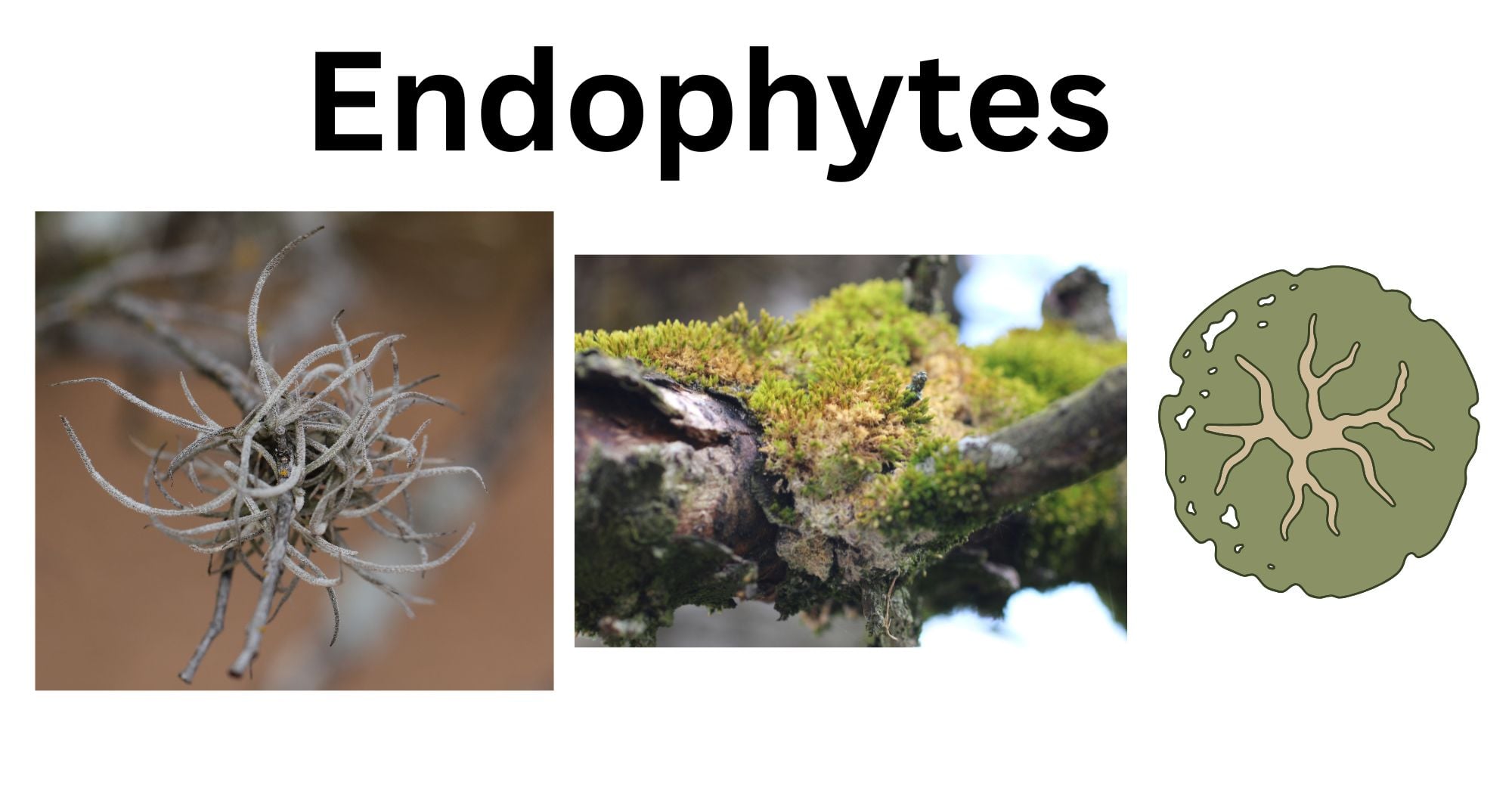
In recent years, it has been discovered that a few microorganisms residing within the plants, termed endophytes, can also produce such beneficial chemicals.
What are Endophytes?
Endophytes are a symbiotic group of bacteria and fungi that colonize within the plant cells. They play a beneficial role for the host plant without negatively affecting it.
- They have been found in almost all species of plants; however, their roles remain largely mysterious.
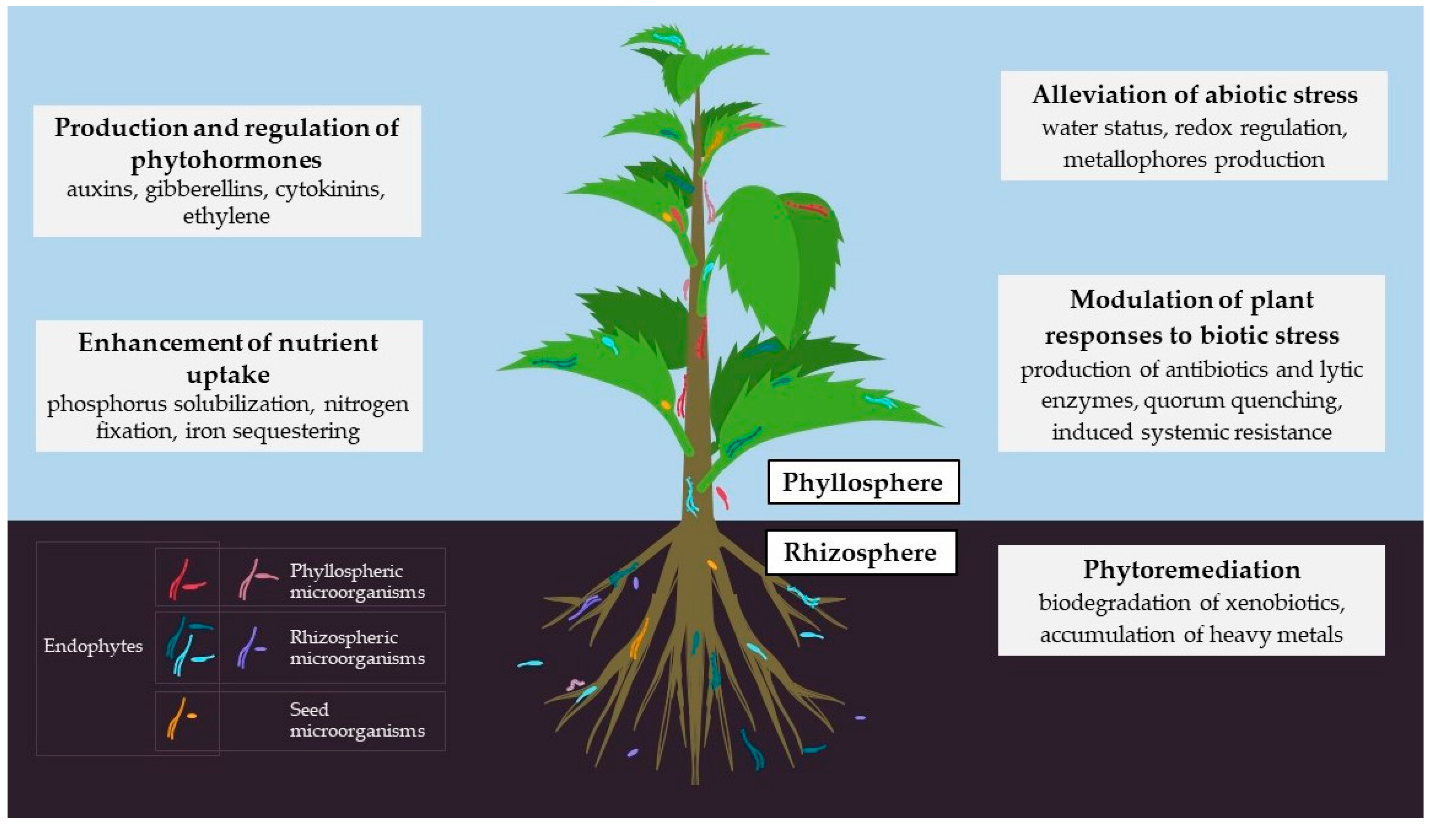
- In most cases, endophytes serve the host by carrying nutrients from the soil into plants, increasing stress tolerance of plants, modulating plant development, enhancing disease resistance in plants, and suppressing virulence in pathogens.
- Endophytes were first coined by German Biologist Anton De Bary in 1866, when he discovered a diverse pool of microbes in plant tissues. Only fungi were known to reside within the plant. Later, bacteria were also found within plants. Presently, endophytic archaea are increasingly being studied.
- The microbial community within the plant can range from a density of 103 to 104 bacterial cells per gram of tissue. In a few parts, like nodules, the microbes can be up to 107.
Distribution of Endophytes
- Endophytic communities are associated with all plant species, from medicinal plants to perennial trees to other crops. They mainly reside in stems, roots, leaves, fruits, petioles, and other parts of plants.
- The diversity and population depend on the type and species of the plants, their developmental stage, season, and surrounding environment.
Transmission of Endophytes
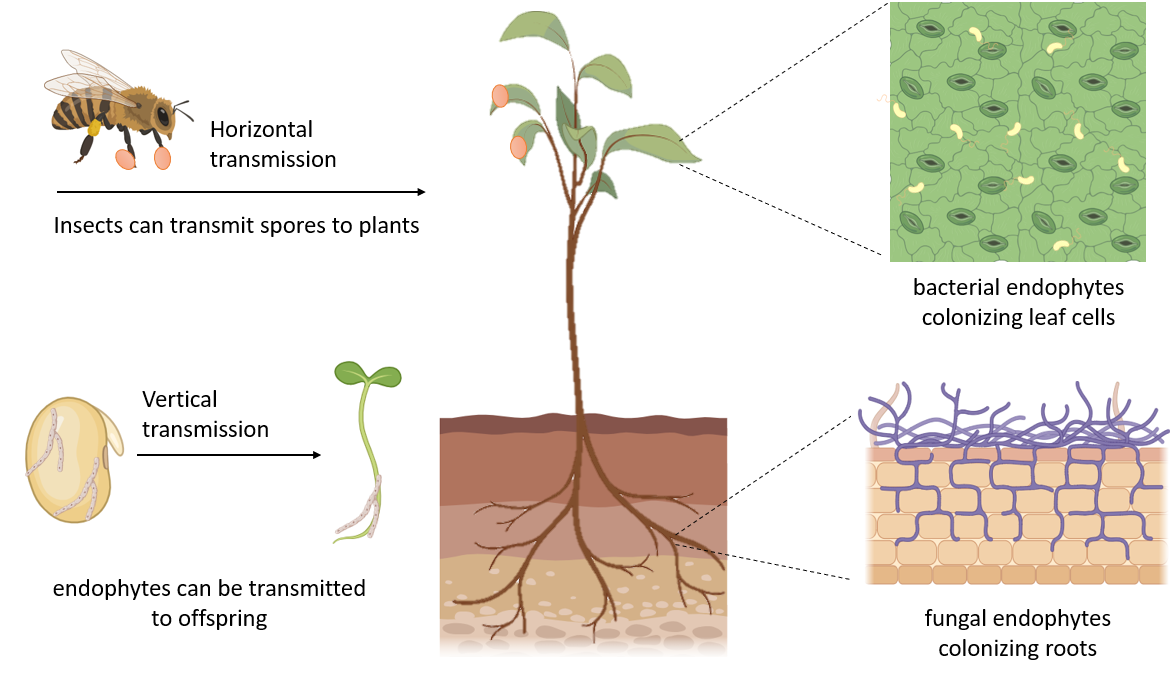
Endophytes are transmitted either vertically (directly from parent to offspring) through seeds or horizontally (from unrelated individuals) from the soil surrounding the plant root. To elaborate, fungal endophytes are vertically transmitted by penetrating the host’s seeds. They thrive on seeds and can transmit from seeds to their seedlings. In contrast to this, horizontal transmission occurs when fungal spores are spread by wind/or an insect to the host plant. This can also happen from direct plant-to-plant contact or even with animal vectors.
The colonization of an endophyte can occur in the following way:
- Most endophytes originate from the surroundings of the roots (rhizosphere).
- Fungi and bacteria are attracted by chemoattractants secreted by the plant through its root exudates. Only a handful of microbes can detect such signals.
- They migrate towards the roots and proliferate around them, harnessing the nutrients of plants.
- The microbes penetrate through the cracking of the root epidermis. Few have also developed specific signals to enter the plant cells and become symbionts.
Types of Endophytes
Endophytic communities are divided into obligate and facultative microorganisms based on the nature of the microorganism.
Obligate endophyte
An obligate endophyte lives within a plant throughout its lifetime. They are completely dependent on the host plant for survival. They are anaerobic and obtain energy from fermentation and utilize organic compounds of plants.
Facultative endophyte
A facultative endophyte is capable of surviving in the soil, on the plant surface, and inside the plant, as well as on artificial nutrients.
Benefits of Endophytes in Plants
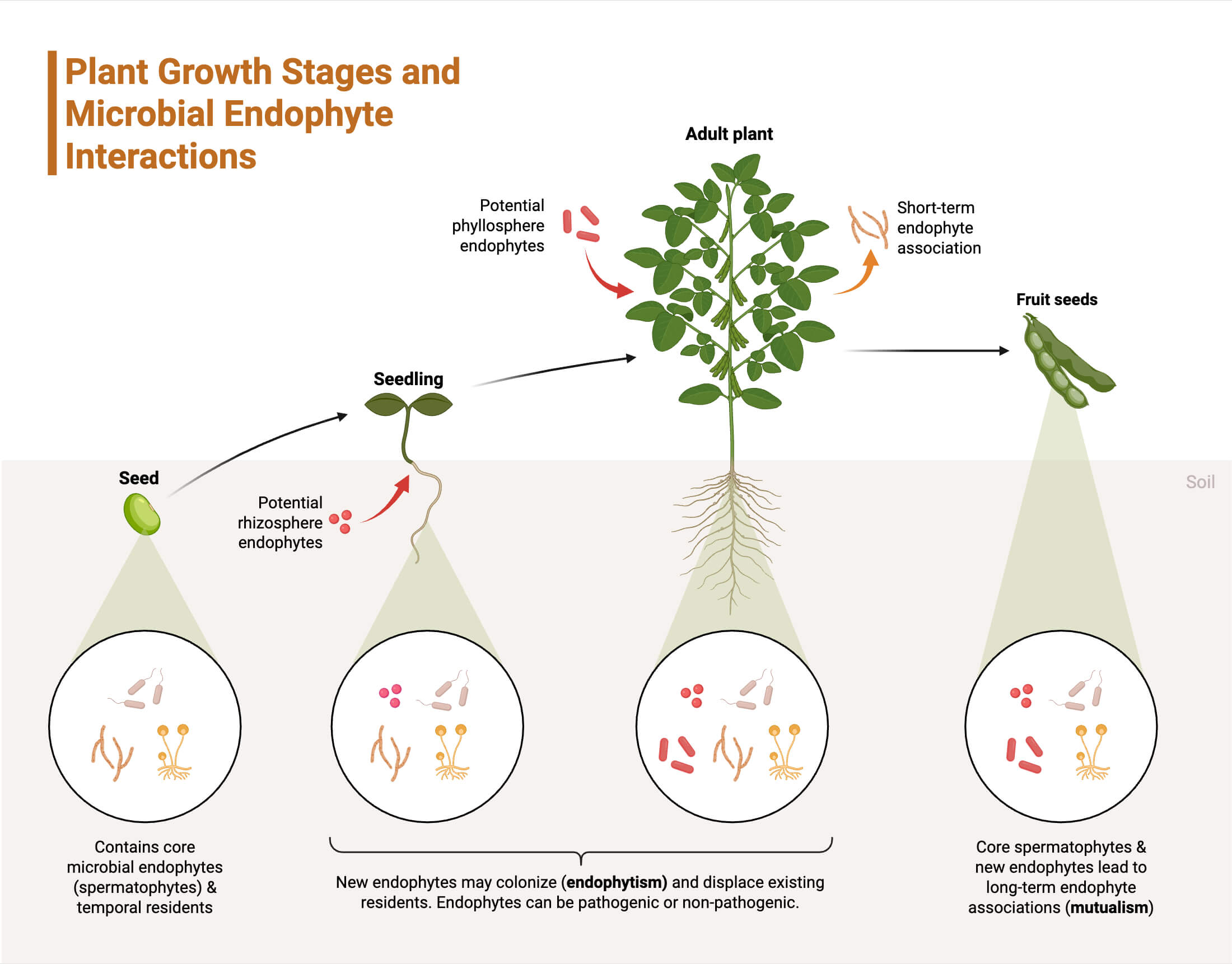
The symbiotic relationship between plants and endophytes is still not well understood. Under normal growth conditions, endophytes have neutral or beneficial effects on the host plant throughout their lifetime. These are known as systemic endophytes. A few beneficial effects of systemic endophytes in the plants are:
Protection against biotic stress
Endophytes prevent pathogenic organisms from colonizing the host plant. They create a barrier effect, where local endophytes secrete antibiotic or antifungal substances to compete against the pathogens. The production of lytic enzymes such as chitinases, cellulases, proteases, etc., can also destroy the walls of unwanted microbes. Lastly, endophytes can assimilate iron via siderophores, which limits the ability of phytopathogens to proliferate.
Promotion of host plant growth
Endophytes are also known to increase plant growth by synthesizing plant hormones such as auxin, cytokinin, and gibberellin, and increasing seed germination. Root and shoot elongation are achieved through the biosynthetic pathway of indole-3-acetic acid (IAA). A few microbes can also fix nitrogen, such as Serratia marcescens in Achyranthes aspera, by converting it to an available nitrogen form. Endophyte can also promote growth by modifying root morphology, enhancing iron content, regulating stomatal function, and facilitating osmotic adjustment.
Resistance against abiotic stress
Climate change has negatively affected crops and other plants, decreasing their yield in extreme temperatures, drought, salinity, and heavy metal contamination. Under extreme temperatures, endophytes boost the plant’s heat-shock response and antioxidant defense systems, stabilizing their membranes and proteins. They promote root elongation, improve water uptake, and stimulate proline concentration to maintain cellular hydration under drought conditions. Similarly, endophytes can also assist in maintaining homeostasis by promoting K+ uptake, thereby limiting Na+ accumulation. A few endophytes can also sequester toxic heavy metals and transform them to less harmful forms.
Apart from the beneficial effects of endophytes, it is to be noted that a few of them can be detrimental to the plant in extreme conditions.
Limitations of Endophytes
Host-specificity
Endophytes have a narrow host range and may not colonize all plant species in the same manner. This means that a beneficial endophyte for one plant may not be effective for another. For example, the endophytic nitrogen-fixing bacteria, Rhizobium spp., form symbiotic nodules for nitrogen fixation in leguminous plants. However, they are highly host-specific, meaning that a strain capable of forming an effective symbiosis with one legume species may fail to colonize or establish a functional nitrogen-fixing association with another legume species.
Variable Performance in Field Conditions
The population density of endophytes is extremely low in comparison to normal microbial flora. It varies with different host plant parameters and their surrounding environment. Because of these reasons, it becomes difficult to ascertain the role of endophytes in a specific plant. Although they can perform well in controlled laboratory or greenhouse conditions, the same endophytes may fail to do so in a complex setting.
Culture-dependent
Although endophytes can be extracted from microbial or plant growth medium, their isolation is not a simple task. Many of the endophytes present in plants cannot be isolated in artificial growth medium, mainly because they rely on the host plant for survival. Endophytes are also slow-growing, and fungal microbes can take weeks to isolate successfully. Moreover, aseptic sterile techniques are crucial to prevent the growth of microbes outside of the plant (epiphytes).
Commercial challenges
Endophytes produce similar or identical compounds to their plant host. However, several obstacles prevent their commercial use. The production of bioactive compounds from endophytes is extremely low, far below industrially applicable levels.
Applications of Endophytes
Biopriming
Biopriming refers to the inoculation of microbes in plant organs, normally the seed or roots, to provide beneficial effects to the plant. The technique is getting popular with the discovery of plant growth-promoting microbes (PGPM), which can enhance growth stimulation, nutrient uptake, root system development, stress tolerance, and build defense mechanisms against plant pathogens. For example, rice seeds, when primed with Trichoderma, can have enhanced inhibitory effects against a few pathogens.
Phytoremediation
Phytohormones such as auxin and cytokinin are considered to be among the most important phytohormones that regulate numerous metabolic activities in plants. Many bacterial and fungal endophytes have been shown to produce hormones such as IAA (Indole-3-acetic acid), gibberellic acid, ethylene, abscisic acid, salicylic acid, and jasmonic acid. They can promote plant growth and change the morphology and physiology of the plant. Moreover, during stressful conditions, phytohormone signaling pathways play a major role in coordinating plant development.
Drug discovery
Plant Growth-Promoting Microbes (PGPM) are acting as reservoirs of novel bioactive secondary metabolites, such as alkaloids, phenolic acids, steroids, quinones, tannins, and terpenoids. The active compounds that endophytes produce serve as a potential candidate for antimicrobial, anti-cancer, and other properties. Taxol, an anticancer compound originally extracted from the Himalayan Yew, Taxus wallachiana, can also be produced by endophytic fungi of the tree.
Endophytes produce host-specific bioactive compounds of medicinal use:
| Compound | Properties | Endophyte | Plant Host |
| Fungi | |||
| Capsaicin | Analgesic | Alternaria alternata | Capsicum annuum |
| Colchicine | Anti-inflammatory, anti-gout | Diaporthe perseae | Juniperus communis |
| Diosgenin | Anti-cancer, anti-plastic, antiviral agent, antiatherogenic | Aspergillus flavus, Fusarium spp., Curvularia lunata | Dioscorea zingiberensis |
| Kaemferol | Antioxidant, antibacterial | Mucor fragilis | Sinopodophyllum hexandrum |
| Quercetin | Antioxidants stimulate bacterial enzymatic activity | Nigrospora oryzae | Loranthus micranthus |
| Bacteria | |||
| Berberine | Analgesic, anti-inflammatory, antimicrobial | Paenibacillus polymyxa | Ephedra foliata |
| Camptothericin | Anticancer (inhibition of topoisomerase I), antineoplastic agent | Bacillus cereus, Bacillus subtilis | Miquelia dentata, Pyrenacantha angustifolia |
| Lycorine | Anticancer | Paenibacillus lautus | Leucojum astivum |
| Vindoline | Antimitotic, precursor for vinblastine | Microbacterium spp. | Cantharanthus roseus |
References
- 16.2E: Endophytes and Plants—Biology LibreTexts. (n.d.). Retrieved May 8, 2025, from https://bio.libretexts.org/Bookshelves/Microbiology/Microbiology_(Boundless)/16%3A_Microbial_Ecology/16.02%3A_Soil_and_Plant_Microbiology/16.2E%3A_Endophytes_and_Plants
- Fagorzi, C., & Mengoni, A. (2022). Endophytes: Improving Plant Performance. Microorganisms, 10(9), 1777. https://doi.org/10.3390/microorganisms10091777
- Gouda, S., Das, G., Sen, S. K., Shin, H.-S., & Patra, J. K. (2016). Endophytes: A Treasure House of Bioactive Compounds of Medicinal Importance. Frontiers in Microbiology, 7. https://doi.org/10.3389/fmicb.2016.01538
- Plants and endophytes interaction: A “secret wedlock” for sustainable biosynthesis of pharmaceutically important secondary metabolites | Microbial Cell Factories | Full Text. (n.d.). Retrieved May 8, 2025, from https://microbialcellfactories.biomedcentral.com/articles/10.1186/s12934-023-02234-8
- Rutkowska, N., Drożdżyński, P., Ryngajłło, M., & Marchut-Mikołajczyk, O. (2023). Plants as the Extended Phenotype of Endophytes—The Actual Source of Bioactive Compounds. International Journal of Molecular Sciences, 24(12), 10096. https://doi.org/10.3390/ijms241210096
- Sharma, A., Kumar, P., Pahal, V., Kumar, J., & Pandey, S. S. (2023). Endophytic Phytohormone Production and Utilization of Functional Traits in Plant Growth Promotion. In S. Chhabra, R. Prasad, N. R. Maddela, & N. Tuteja (Eds.), Plant Microbiome for Plant Productivity and Sustainable Agriculture (pp. 365–385). Springer Nature. https://doi.org/10.1007/978-981-19-5029-2_15
