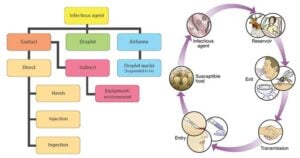
Source of Infection and Types of Reservoirs
The starting point for the occurrence of a communicable disease is the existence of a reservoir or source of infection. The source of infection is defined as “the person, animal, … Read more
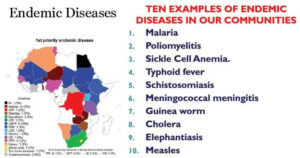
Communicable diseases are termed endemic when they have a relatively stable pattern of occurrence in a given geographical area or population group at the relatively high prevalence and incidence. It … Read more
Disease prevention is a procedure through which individuals, those with risk factors for a disease or without the risk factors, are treated in order to prevent a disease from occurring. … Read more
Molecular Epidemiology Disaster Epidemiology Forensic Epidemiology Environmental Epidemiology Travel Epidemiology Occupational Epidemiology References
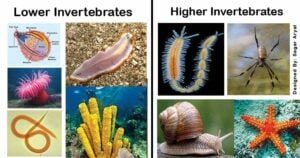
The invertebrates are usually classified as Lower Invertebrates and Higher Invertebrates. Lower Invertebrates The lower invertebrates are simple in body organization. They are generally small in size. These are thought … Read more
Habitat Numerical Strength Shape Size Symmetry Grade of Organisation Germ Layers Simple Integument Locomotion Segmentation Living Endoskeleton Coelom Dorsal gut Digestive System Circulatory System Respiratory System Excretory Mechanisms Nervous System … Read more
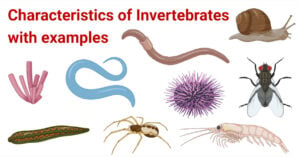
The animal kingdom has been divided into two major groups: Invertebrates (Non-Chordates) and Vertebrates (Chordates). Invertebrates are those that do not possess a vertebral column or backbone while Vertebrates are … Read more
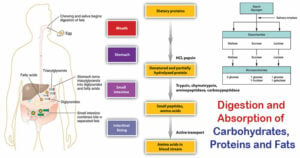
Carbohydrates, fats, and proteins are the major nutrients the body needs for growth, repair, movement, and maintaining tissue and organ function. These macromolecules are broken down and absorbed into the … Read more
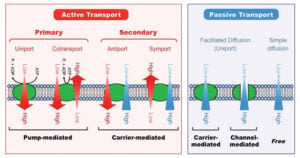
Active and passive transport are the two main biological process which plays an important role in supplying nutrients, water, oxygen, and other essential molecules to cells and also by removing … Read more
Viruses are intracellular pathogens that reproduce only in the living cell and manipulate the cellular machinery to produce more viruses. Viral replications can affect the cellular genes of the host … Read more