
The term amphibolic pathway is derived from the Greek word “amphi,” meaning both, and bolic, meaning breaking down, i.e., a path that serves both catabolic and anabolic functions. The term was coined by B. Davis in 1961. This pathway involves both anabolic and catabolic processes.
The anabolic process involves the formation of complex molecules using energy, whereas the catabolic pathway includes the breaking down of complex molecules, thus releasing energy.
Why does the amphibolic pathway link anabolism and catabolism
The amphibolic pathway acts as a functional link between anabolism and catabolism, depending upon cellular needs. When cells are in a higher energy level, the catabolic pathways are usually followed to release energy in the form of ATP, NADP, and FADH. On the other hand, when cells require building blocks for biosynthesis, they undergo an anabolic pathway to produce complex molecules. This dual functionality ensures cellular efficiency and prevents unnecessary duplication of metabolic reactions.
Examples of Amphibolic Pathway- The TCA cycle and Glycolysis
TCA cycle
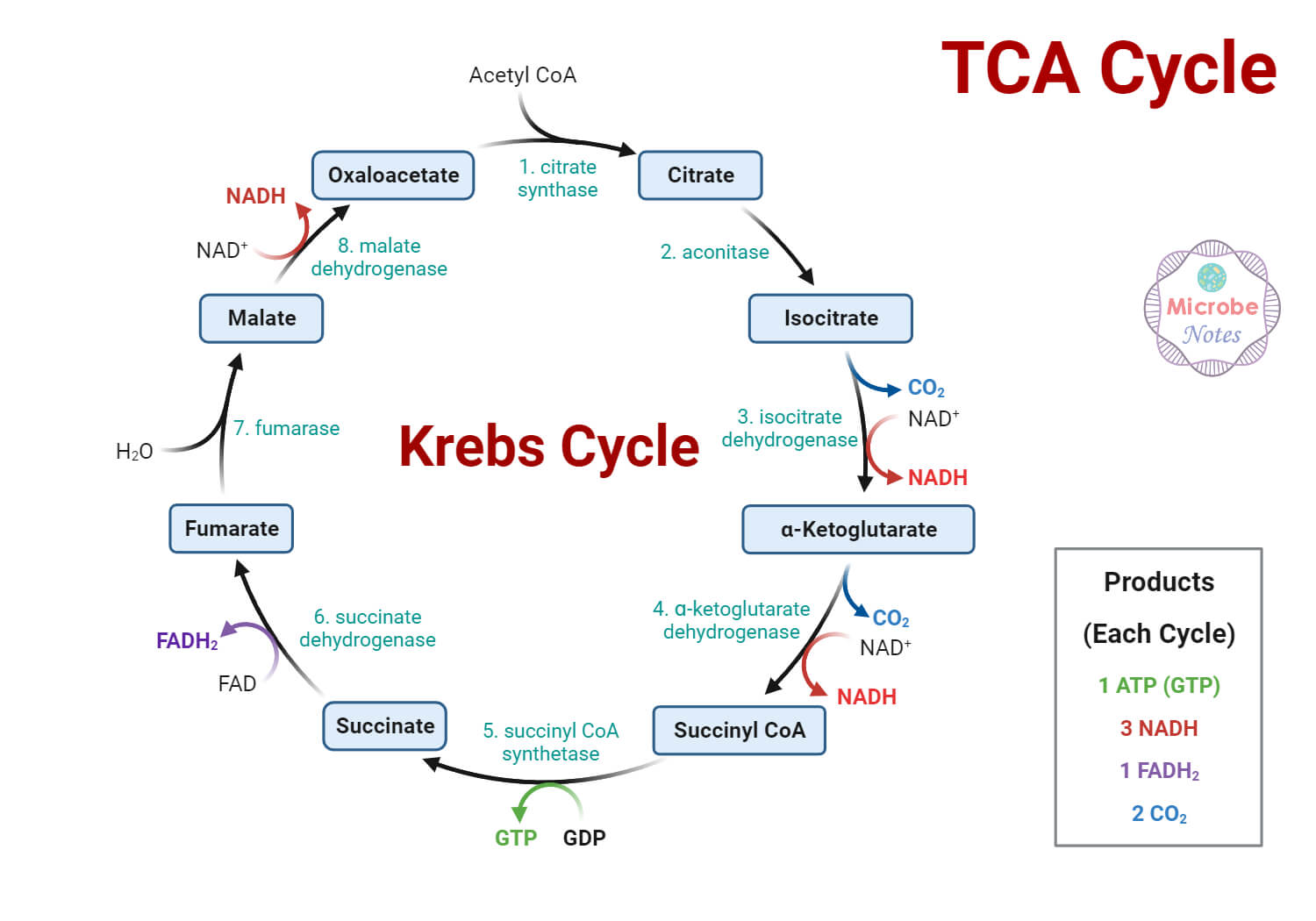
The Tri Carboxylic acid cycle, also known as the TCA cycle or Krebs’ cycle, is one of the important examples of the amphibolic pathway. In the catabolic role, the TCA cycle oxidises Acetyl CoA derived from carbohydrates, proteins, and fats into carbon dioxide, producing reduced coenzymes like NADH and FADH2, which subsequently transfer electrons to the Electron Transport Chain, leading to ATP synthesis. It also provides intermediates for anabolic processes, such as alpha-ketoglutarate, oxaloacetate, and succinyl CoA for the synthesis of various amino acids, fatty acids, and other molecules. Because of this dual functionality, it is considered an amphibolic pathway.
Glycolysis
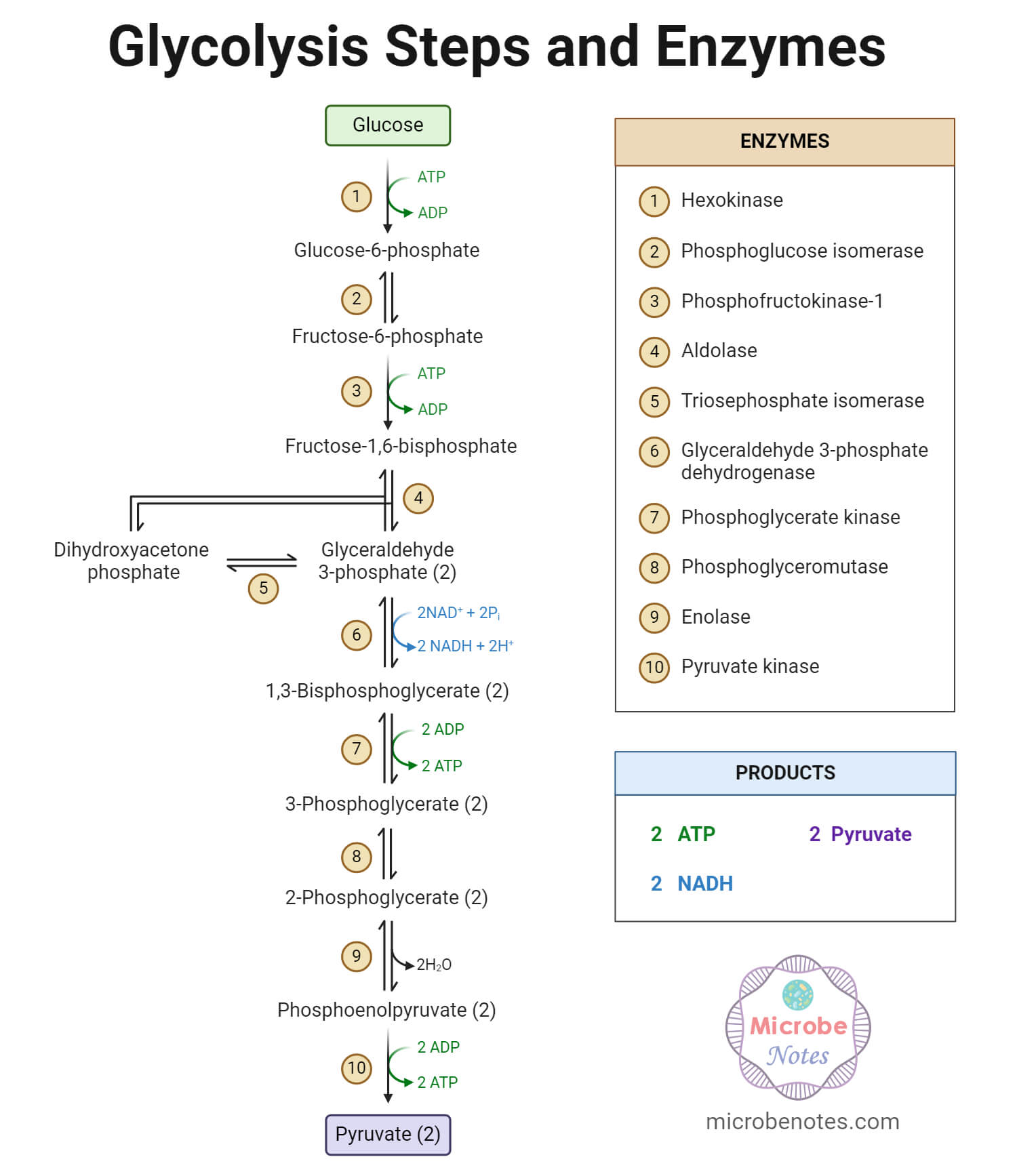
Glycolysis is generally a catabolic pathway, as during the process, glucose is converted into pyruvate with the formation of ATP and NADH. However, some intermediates of glycolysis act as precursors for anabolic pathways. Glucose-6-phosphate can enter the pentose phosphate pathway for producing nucleotides; Dihydroxyacetone can act as a precursor for producing some amino acids. So glycolysis can also be considered as an amphibolic pathway.
Role of intermediates in biosynthesis
Intermediates usually play a crucial role in the biosynthesis of cellular macromolecules. Many amino acids are generally synthesised directly from the intermediates of glycolysis and the citric acid cycle through transamination reactions. For instance, alpha-ketoglutarate is converted to glutamate, which acts as a nitrogen donor for several amino acid syntheses. Lipid biosynthesis also relies on these intermediates. For instance, glycerol is derived from glycolytic intermediates, which act as the backbone of triglycerides and phospholipids. Nucleotide biosynthesis is also supported by intermediates from the amphibolic pathway.
Regulation of the amphibolic pathway
To achieve cellular energy and metabolic efficiency, amphibolic pathways need to be regulated. The energy charge of the cell is one of the most crucial regulatory factors, which varies according to the relative concentrations of ATP, ADP, and AMP. In the event of high ATP levels, which means where adequate energy is available, enzymes of amphibolic pathways are inhibited in order to retard catabolic responses. High concentrations of ADP and AMP, on the contrary, indicate an energy deficiency and stimulate these pathways to increase the production of ATP.
The role of feedback mechanisms in the process of regulating amphibolic pathways is also important. The buildup of the end product or intermediates may suppress the previous enzyme steps to prevent unnecessary overproduction. ATP, NADH and other metabolites are strong regulators of such enzymes as citrate synthase, isocitrate dehydrogenase and alpha-ketoglutarate dehydrogenase, which are involved in the TCA cycle. These pathways are further refined through hormonal regulation in multicellular organisms. Insulin hormones enhance anabolic responses, whereas glucagon and adrenaline hormones stimulate catabolic responses. In these ways of regulation, the amphibolic pathways can dynamically react to cellular and physiological needs, and in this way, they can ensure a good balance between energy-producing cells and biosynthesis.
Where It Happens
Amphibolic pathways act within defined cellular compartments, which permits metabolic flux between catabolic and anabolic responses to be strictly controlled. In eukaryotes, the citric acid cycle takes place in the mitochondrial matrix, which offers close interaction between substrate oxidation and the generation of ATP in the electron transport chain that is situated in the inner mitochondrial membrane. Another anabolic pathway, glycolysis, occurs in the cytosol and thus gives quick access to glucose and fast distribution of intermediates to the biosynthetic processes. Compartmentalisation of metabolism not only allows the simultaneous occurrence of anabolic and catabolic responses without interference, but also provides a regulatory control by ensuring substrate availability and localisation of enzymes.
Amphibolic pathways occur in the cytosol, the mitochondria and the chloroplasts of plant cells. The TCA cycle takes place in the mitochondria, and glycolysis takes place in the cytosol and plastids. This type of spatial organisation enables the plants to regulate energy production and biosynthesis, in particular, photosynthesis and respiration. Amphibolic pathways take place in the cytoplasm in prokaryotic cells, which do not contain membrane-bound organelles, and are organised by enzyme complexes and metabolic channelling. Accordingly, although the cellular architecture varies, spatial organisation is used to optimise the amphibolic metabolism by all organisms.
Metabolic Flexibility
Metabolic flexibility is described as the capacity of cells to modify the direction and the intensity of metabolic pathways based on the alteration of environmental and physiological conditions. This flexibility is achieved by having amphibolic pathways that can act both in degradative and in synthetic activity as per the cellular requirements. At low energy levels, these pathways act mostly in a catabolic fashion in which substrates are oxidised to produce ATP and reducing equivalents. With adequate energy and nutrients, intermediates are redirected into anabolic reactions, including biosynthesis of amino acids, fatty acids, and nucleotides.
The breakdown and build-up control is attained by regulating key enzymes, the availability of substrates, and hormones. As an example, insulin stimulates the anabolic utilisation of intermediates in the biosynthesis of animals, whereas glucagon and adrenaline facilitate catabolic usage when animals starve or exert stress. Light accessibility and carbon conditions determine the equilibrium between biosynthesis and respiration in vegetation. The nutrient supply in the environment dictates directly whether the amphibolic pathways in microbes focus on energy or biomass. This is flexibility that helps organisms to endure the changing environmental conditions.
Physiological Significance and Visualization of the Amphibolic Pathway in Plants, Animals, and Microbes
Amphibolic pathways in plants play a crucial role in the connection between photosynthesis, respiration, and biosynthesis. Those intermediates of glycolysis and the TCA cycle provide precursors of amino acids, organic acids, and secondary metabolites used in growth, development, and defence. Amphibolic metabolism helps in quick energy generation and the provision of building blocks to new tissues during seed germination.
Amphibolic pathways are the key regulators of metabolic homeostasis in animals. The TCA cycle is a union of carbohydrate, lipid, and protein metabolism that guarantees the continuous provision of energy and biosynthetic precursors. Fasting, exercise, or stress leads to adaptation of amphibolic pathways through the utilisation of other substrates, which include fatty acids and amino acids. Amphibolic metabolism is important in the fast growth and adaptation of microbes to conditions of limited nutrients. Amphibolic pathways are important in facilitating the use of available substrates to generate energy or do cellular biosynthesis by many microorganisms with regard to environmental availability.
Disease, Metabolic Disorders, and Biotechnology Implications of the Amphibolic Pathway
The amphibolic pathways may be disrupted, which may result in severe metabolic disorders and diseases. Abnormalities in the enzymes of the TCA cycle and glycolysis are implicated in the mitochondrial illnesses, neurodegenerative ailments, and some cancers in human beings. The altered amphibolic metabolism of cancer cells, favouring the production of intermediates to promote the rapid growth of cancer cell mass, is a phenomenon called metabolic reprogramming.
The Amphibolic pathways are also used in biotechnology to work in the industrial and medical spheres. The purpose of microbial metabolic engineering is to steer amphibolic intermediates into making biofuels, pharmaceuticals, amino acids, and organic acids. Knowledge of amphibolic metabolism can also help boost crop production and stress resistance through the use of genetic engineering. Therefore, these routes are of immeasurable use in medicine, agriculture, and industrial biotechnology.
Physiological Techniques of Investigating Amphibolic Pathways
The amphibolic pathways are investigated by employing the integration of biochemical, molecular, and physiological methods. The enzyme assays measure the activity of the important enzymes in metabolism in varying conditions. The use of ¹³C- or ¹⁴C-labelled substrates in isotope labelling techniques aids in tracking carbon flux through metabolic systems and in differentiating catabolic and anabolic fluxes.
There are advanced methods like metabolomics, proteomics, and transcriptomics, which can comprehensively give an understanding of the metabolic regulation and pathway integration. Knockout and overexpression studies under the genetic approaches can be used to establish the functional role of a given enzyme. Combined, these experimental approaches allow one to gain a de novo insight into how amphibolic pathways work and change in live cells.
Conclusion
Amphibolic routes are the basic connection between energy generation and biosynthesis in living organisms. They are useful in metabolic flexibility and efficiency by their catabolic and anabolic roles that are needed during survival, growth, and adaptation. Their central role in metabolism is emphasised by their spatial organisation, exact regulation, and integration with cellular signalling systems. The study of amphibolic pathways is critical in the acquisition of simple biological information as well as the resolution of medical, agricultural, and biotechnological challenges. With the development of research, these pathways further provide new information about metabolic control and perspectives on how to enhance human health and productivity.
References
- Admin. (2020, July 31). Amphibolic Pathway – an overview. BYJUS. https://byjus.com/biology/amphibolic-pathway/
- Explain the amphibolic nature of the respiratory pathway with suitable examples ? (2025, August 13). Sathee Forum. https://forum.prutor.ai/index.php?threads/explain-the-amphibolic-nature-of-the-respiratory-pathway-with-suitable-examples.16670/
- Bar-Peled, L., & Kory, N. (2022). Principles and functions of metabolic compartmentalization. Nature Metabolism, 4(10), 1232–1244. https://doi.org/10.1038/s42255-022-00645-2
- Libretexts. (2025, August 23). 14.1: Regulation of Metabolic Pathways. Biology LibreTexts. https://bio.libretexts.org/Bookshelves/Biochemistry/Fundamentals_of_Biochemistry_(Jakubowski_and_Flatt)/02%3A_Unit_II-_Bioenergetics_and_Metabolism/14%3A_Principles_of_Metabolic_Regulation/14.01%3A_Regulation_of_Metabolic_Pathways
- Rothwell, W, G., Lambers, Hans, Woodwell, M, G., Schmid, Rudolf, Yopp, H, J., Dickison, & C, W. (2025, November 21). Plant | Definition, Evolution, Diversity, Ecology, & Taxonomy. Encyclopedia Britannica. https://www.britannica.com/plant/plant/Pathways-and-cycles
- Sultana, S., & McClure, J. (2023). Intermediary metabolism. Anaesthesia & Intensive Care Medicine, 24(2), 139–147. https://doi.org/10.1016/j.mpaic.2022.12.005
- Satyanarayana, U., & Chakrapani, U. (2021). Biochemistry (6th ed.). Elsevier India
- Jain, J. L., Jain, S., & Jain, N. (2019). Fundamentals of biochemistry (7th ed.). S. Chand Publishing.
- Sweetlove, L. J., Beard, K. F. M., Nunes-Nesi, A., Fernie, A. R., & Ratcliffe, R. G. (2010). Not just a circle: Flux modes in the plant tricarboxylic acid cycle. Trends in Plant Science, 15(8), 462–470. https://doi.org/10.1016/j.tplants.2010.05.006
- Krebs, H. A., & Johnson, W. A. (1937). The role of citric acid in intermediate metabolism in animal tissues. Enzymologia, 4, 148–156.
- OpenStax. (2020). Biology 2e: Cellular respiration and metabolism. OpenStax, Rice University.
- https://openstax.org/details/books/biology-2e
